 listicle
Signs Your Older Car Needs a Suspension Overhaul
Table of Contents
- Why Suspension Fails in Older Vehicles
- Worn Suspension Symptoms You Can Feel
- Handling and Steering Changes That Signal Trouble
- Visible Signs and Noises That Demand Inspection
- How Long Does Car Suspension Last on Older Vehicles
- Repair Versus Overhaul: What Your Older Car Actually Needs
- Car Suspension Repair Cost and When to Act
- Conclusion
- Frequently Asked Questions
Last Updated: October 10, 2026
Why Suspension Fails in Older Vehicles
Your car's suspension system bears the weight of every pothole, speed bump, and rough road surface it encounters. If you're driving an older vehicle, understanding when signs your older car needs a suspension overhaul appear is essential for both safety and comfort.
The suspension components that fail first depend on your vehicle's age and mileage. Shocks and struts typically last between 50,000 and 100,000 miles, while other components like bushings and ball joints may deteriorate at different rates.
Many drivers overlook early warning signs because they happen gradually. The ride gets slightly bouncier, or steering feels a bit looser, but nothing seems catastrophically wrong. The problem is that worn suspension components create a cascade of failures. A failing shock puts extra stress on springs. Worn bushings allow excessive movement in the suspension geometry.
Worn Suspension Symptoms You Can Feel
The most obvious signs your older car needs a suspension overhaul are the ones you experience every time you drive. These symptoms tell you that your suspension is no longer doing its job effectively.
Excessive bouncing after road bumps
When you hit a bump and your car bounces up and down multiple times before settling, your shocks or struts have likely lost their damping ability. A properly functioning shock absorber should compress once and return to normal height smoothly. Excessive bouncing means the suspension cannot control the spring's motion, leaving the vehicle unstable.
This symptom is particularly noticeable after hitting a pothole or driving over railroad tracks. If your car bounces several times instead of absorbing the impact smoothly, worn-out shocks are almost certainly the culprit. The longer you ignore this, the worse the wear becomes on other suspension components.
A bumpy or uncomfortable ride
An increasingly rough ride is one of the earliest signs your older car needs a suspension overhaul. You'll notice that small imperfections in the road surface, cracks, gravel, minor potholes, create jarring impacts that you used to barely feel. This happens because worn shocks and struts stop cushioning road vibrations effectively.
The difference between a worn suspension and a healthy one becomes obvious on rougher roads. A vehicle with good suspension glides smoothly over imperfections. One with worn components transmits every bump directly to the cabin. If you find yourself gripping the steering wheel tighter on roads you used to navigate comfortably, suspension wear is likely the cause.
Floating or unstable feeling when turning
When your suspension wears out, the vehicle body leans excessively during turns. You'll feel like the car is floating or rolling outward, as if the suspension cannot keep the vehicle stable. This happens because worn bushings and struts allow excessive body movement that a healthy suspension would prevent.
This symptom is dangerous because it affects your control during cornering. The vehicle feels less planted and responsive. If you notice the car leaning noticeably during normal turns, or if the steering feels disconnected from the road, worn suspension components are degrading your vehicle control.
Nose-diving during hard braking
When you brake hard and the front of the vehicle dips down excessively, your suspension is not controlling the weight transfer properly. This nose-diving effect indicates that the front struts or shocks have lost their ability to manage the vehicle's forward weight shift during braking.
Beyond the uncomfortable feeling, nose-diving reduces your braking effectiveness because it changes the vehicle's weight distribution and tire contact with the road. This is a safety concern that demands immediate inspection.
Handling and Steering Changes That Signal Trouble
Changes in how your vehicle handles and responds to steering input often reveal suspension problems that affect safety. These symptoms go beyond comfort and directly impact your ability to control the car.
Vehicle pulls to one side
If your older car drifts or pulls to one side without you turning the steering wheel, suspension damage may be the cause. Worn control arms, ball joints, or bushings can create uneven suspension geometry that pulls the vehicle off-center. This is different from wheel alignment issues, though worn suspension often causes alignment problems.
When suspension components wear unevenly, for example, if one side wears faster than the other, the vehicle will naturally pull toward the side with more wear. This pulling gets worse over time as the asymmetry increases.
Difficulty steering or reduced responsiveness
Steering that feels loose, vague, or unresponsive to your input is a clear sign that suspension components have excessive play. Worn ball joints and bushings allow movement that should be controlled, making the steering feel disconnected from the road. You might notice that turning the wheel doesn't immediately translate to the vehicle changing direction as sharply as it used to.
This reduced responsiveness is dangerous at highway speeds and during emergency maneuvers. If you have to turn the wheel more than you used to in order to achieve the same steering angle, suspension wear is degrading your vehicle control.
Visible Signs and Noises That Demand Inspection
Some suspension problems are visible or audible without any special equipment. Learning to recognize these signs helps you catch wear before it becomes dangerous.
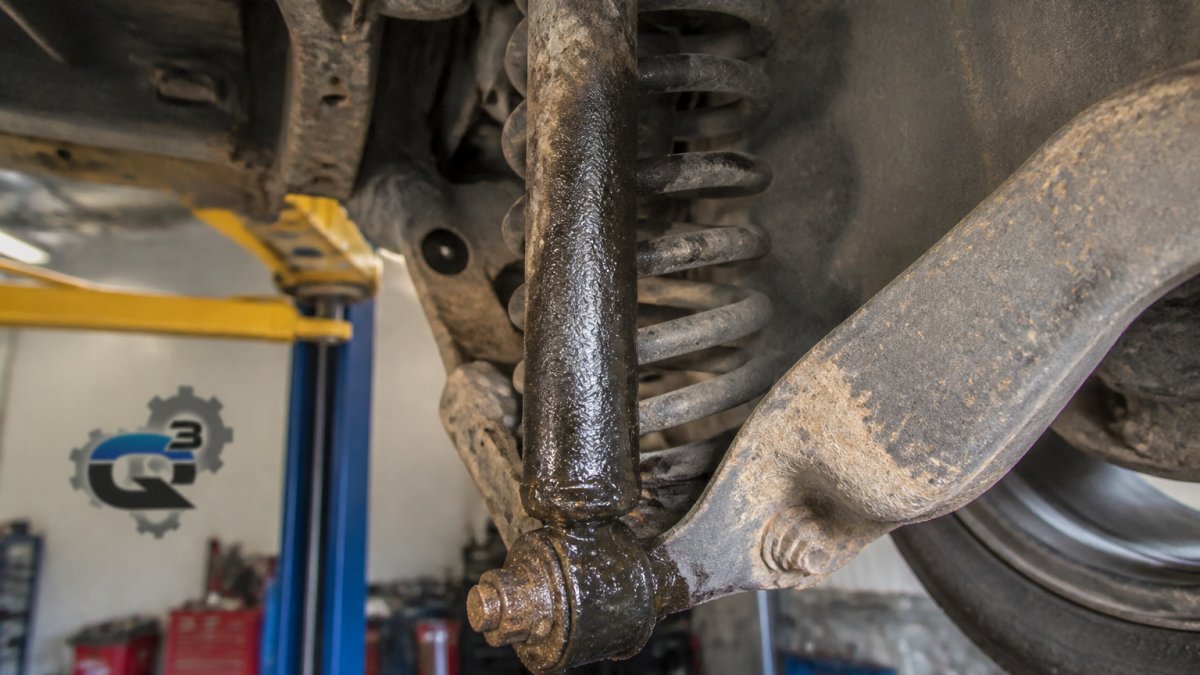
Squeaks, creaks, and clunking sounds
Unusual noises from the suspension area are among the most reliable indicators that components are wearing out. Squeaks often come from worn bushings that no longer dampen movement smoothly. Creaks typically indicate movement in joints that should be tight. Clunking sounds suggest that worn components have excessive play and are hitting against each other or the frame.
These noises are most noticeable when driving over bumps or during turns when the suspension is actively working. If you hear sounds coming from the suspension area, have them inspected promptly. Early diagnosis of the specific component making noise can prevent more expensive damage.
Uneven tire wear and suspension damage
Your tires tell a story about your suspension's health. Uneven tire wear patterns directly reflect suspension problems. Worn suspension components create misalignment that causes certain areas of the tire to wear faster than others.
Look at your tires carefully. If the inner edges are more worn than the outer edges, or vice versa, your suspension geometry is off. This uneven wear accelerates as suspension damage worsens. Replacing tires without fixing the underlying suspension problem means your new tires will wear out just as quickly.
Leaking fluid from shocks or struts
Shocks and struts are sealed hydraulic components filled with pressurized fluid. If you see fluid leaking from these components, they have failed internally. Leaking fluid means the shock or strut can no longer control suspension movement effectively.
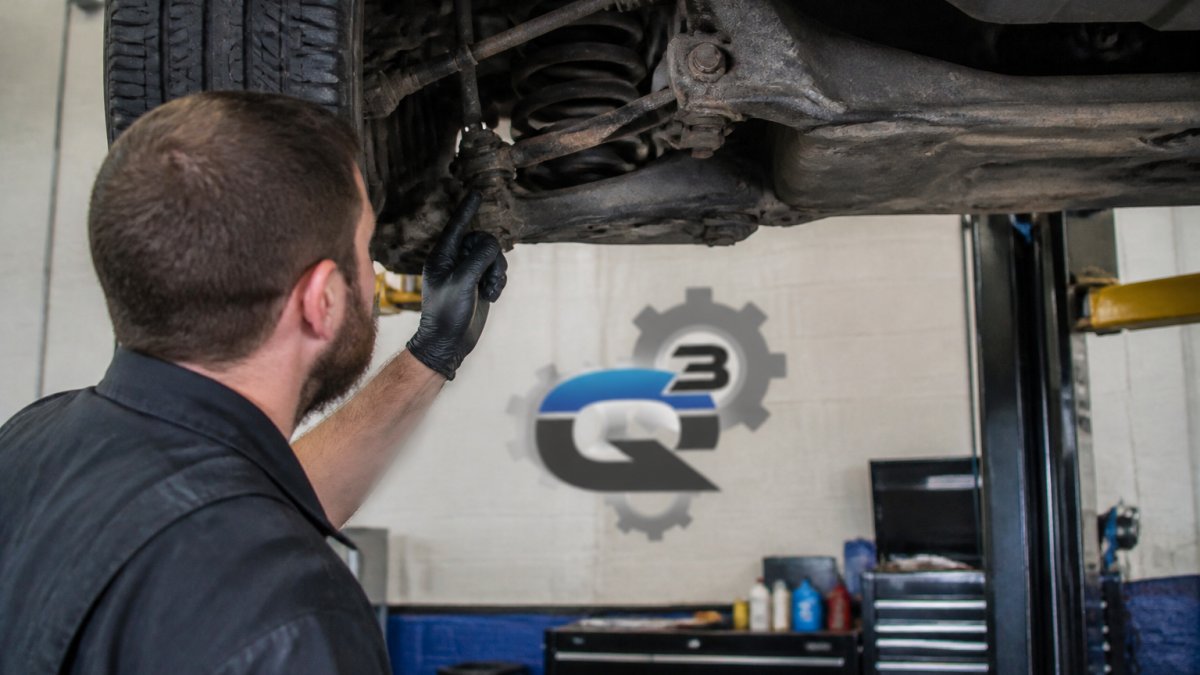
Check underneath your vehicle near each wheel. Leaking shocks appear as wet or oily residue on the shock body or the ground beneath it. This is a clear sign that replacement is needed.
How Long Does Car Suspension Last on Older Vehicles
Understanding suspension lifespan helps you anticipate when problems are likely to develop. On average, shocks and struts last between 50,000 and 100,000 miles, though this varies significantly based on driving conditions and vehicle maintenance (Car Parts and What They Do: A Guide to What’s Under the Hood).
Older vehicles and those driven on rough roads experience faster suspension wear. If you regularly drive on unpaved roads, through severe winter conditions with salt and potholes, or in mountainous terrain, your suspension will wear out faster.
For vehicles over 10 years old, suspension inspection should be part of routine maintenance. Components that have reached the end of their service life should be replaced proactively before they fail completely. Waiting until symptoms appear often means other components have already been damaged by the failing suspension.
Repair Versus Overhaul: What Your Older Car Actually Needs
When suspension problems appear, you face a decision: repair the specific failing component, or perform a full suspension overhaul? The answer depends on the vehicle's age, the extent of wear, and your long-term plans for the car.
A targeted repair addresses a single failing component, replacing one worn shock, for example, or repairing a damaged ball joint. This approach makes sense if only one or two components show significant wear and others are still in reasonable condition.
A suspension overhaul replaces or rebuilds multiple suspension components at once. This approach makes sense for older vehicles where several components show wear simultaneously.
The decision often comes down to the vehicle's overall condition and your intended use. If the car has other significant mechanical issues or you're planning to sell it soon, targeted repairs may be sufficient.
Car Suspension Repair Cost and When to Act
Suspension repair costs vary widely depending on which components need attention and whether you're doing targeted repairs or a full overhaul. The cost of parts, labor rates in your area, and the specific vehicle all factor into the final bill.
Rather than guessing at pricing, the best approach is to have a qualified technician inspect your suspension and provide a detailed estimate.
Timing matters significantly. Addressing suspension problems early, when only one or two components show wear, costs less than waiting until multiple components have failed. Worn suspension also causes accelerated wear on tires, brakes, and other systems, multiplying repair costs over time.
At Q3 Car & Truck Repair, we provide transparent estimates that break down exactly what needs repair and why.
Conclusion
Recognizing signs your older car needs a suspension overhaul protects both your safety and your wallet. Excessive bouncing, a rough ride, instability during turns, nose-diving when braking, pulling to one side, steering difficulty, unusual noises, uneven tire wear, and leaking fluid are all clear indicators that your suspension system requires professional attention.
Older vehicles deserve suspension care that matches their age and condition. The team at Q3 Car & Truck Repair specializes in diagnosing suspension problems and helping you understand whether your vehicle needs targeted repairs or a complete overhaul. We provide honest assessments and transparent estimates so you can make decisions with confidence.
Frequently Asked Questions
How do you tell if your suspension is worn?
Worn suspension symptoms include excessive bouncing after hitting bumps, a bumpy or uncomfortable ride, and unusual noises like squeaks or creaks. You may also notice the vehicle pulling to one side, difficulty steering, or uneven tire wear. If your older car exhibits multiple signs, have a professional inspect the shocks, struts, springs, and bushings to confirm wear.
How long does car suspension typically last?
Most suspension components last 50,000 to 100,000 miles, though this varies by driving conditions and maintenance. Older vehicles with higher mileage or frequent rough-road use may need suspension work sooner. Shocks and struts commonly wear faster than springs or bushings, so replacement schedules depend on which components are failing.
Can worn suspension make a car unsafe to drive?
Yes. A failing suspension system reduces vehicle control, increases stopping distance, and raises accident risk, especially in emergency maneuvers or poor weather. Worn shocks and struts also accelerate tire wear and damage other suspension components. If you notice significant bouncing, pulling, or steering difficulty, have the suspension inspected immediately before driving further.
What causes uneven tire wear on older vehicles?
Uneven tire wear often signals suspension damage. Worn ball joints, control arms, or bushings throw wheel alignment off, causing tires to wear unevenly. Failing shocks and struts also allow excessive body movement, which stresses tires. If you see scalloping or cupping on tire edges, or uneven wear across the tread, suspension wear is likely the root cause.
Don't wait until suspension failure leaves you stranded or unsafe. The National Highway Traffic Safety Administration emphasizes that suspension problems directly affect vehicle control and braking performance. Contact Q3 Car & Truck Repair today to schedule a suspension inspection and get back on the road safely.