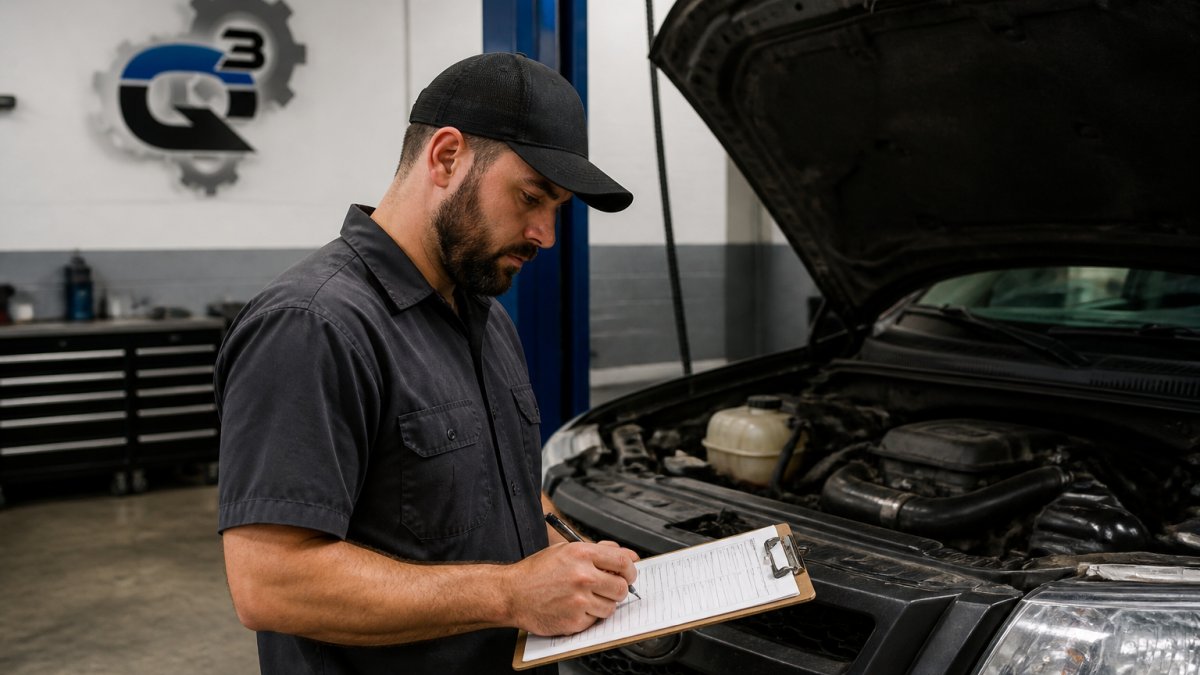
 listicle
Benefits of Following a Vehicle Maintenance Schedule
Table of Contents
- Why Vehicle Maintenance Schedule Matters
- Understanding the 30-60-90 Mile Maintenance Schedule
- Preventing Costly Repairs Through Preventive Care
- The Cost of Deferred Vehicle Maintenance
- How to Increase Vehicle Lifespan With Consistent Maintenance
- Maintaining Resale Value and Fuel Efficiency
- Staying on Track: Building Your Maintenance Routine
- Frequently Asked Questions
Last Updated: September 27, 2026
Why Vehicle Maintenance Schedule Matters
A vehicle maintenance schedule is a manufacturer-recommended plan that outlines when to service key components like oil, filters, brakes, and fluids. Following this schedule separates cars that last 150,000 miles from those that break down at 80,000.
Your vehicle is a system of interconnected parts. Oil lubricates the engine. Coolant prevents overheating. Brake fluid transfers stopping power. Skip maintenance on any one of these, and you risk safety, a brake system fails when you need it most, not when you plan for it.
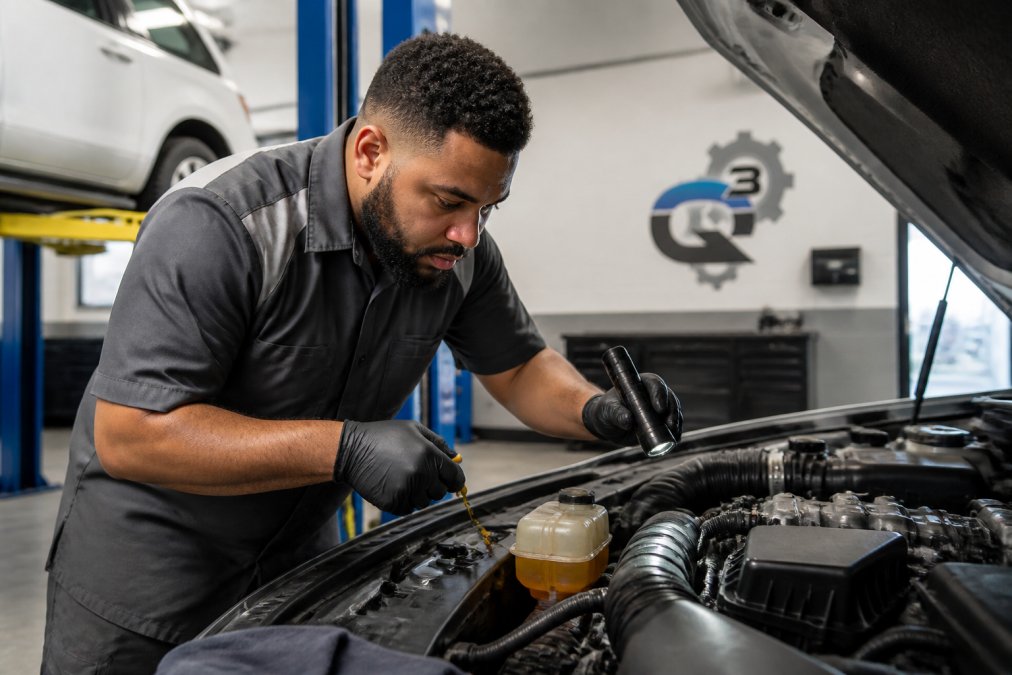
A $150 oil change prevents a $4,000 engine rebuild. A $200 transmission fluid flush prevents a $3,500 transmission replacement. Skipping maintenance costs significantly more money.
Understanding the 30-60-90 Mile Maintenance Schedule
The 30-60-90 mile maintenance schedule refers to service intervals at 30,000, 60,000, and 90,000 miles. Manufacturers use real-world durability testing to determine when components show wear and when preventive replacement makes sense.
At 30,000 miles, your vehicle needs an oil change, air filter inspection, and fluid level check to catch small issues before they become big ones.
At 60,000 miles, many vehicles need spark plug replacement, transmission fluid service, and brake inspection. Vehicles that skipped their 30,000-mile service often need additional work because problems have compounded.
At 90,000 miles, timing belt replacement is critical on many vehicles, failure destroys the engine. Coolant system service, suspension inspection, and electrical checks become standard.
A vehicle that missed its 30,000 and 60,000-mile services often needs $2,000-3,000 in catch-up work by 90,000 miles. A vehicle that stayed on schedule needs routine maintenance only.
Your owner's manual specifies YOUR vehicle's exact schedule. Not all vehicles follow 30-60-90. Some use 15-30-45 or 20-40-60. The interval matters less than consistency.
Preventing Costly Repairs Through Preventive Care
Preventive maintenance services components before they fail. This approach determines whether you own your vehicle or your vehicle owns you.
Brake pads wear predictably. Replace them at 50,000-70,000 miles for $300-500. Ignore them until they damage rotors and calipers, and a $400 preventive repair becomes a $2,000 emergency.
This pattern repeats across every system: oil changes prevent sludge, air filter replacements prevent fuel economy loss, coolant flushes prevent corrosion, and transmission fluid service prevents failure.
When to DIY vs. When to Use a Professional
Not all maintenance requires a certified technician, but some does, especially if your vehicle is under warranty or financed. Here's the practical breakdown:
Safe for DIY (if you have basic mechanical skill):
- Oil and filter changes
- Air filter replacement
- Cabin air filter replacement
- Windshield wiper blade installation
- Battery replacement
- Tire rotation (if you have a jack and torque wrench)
- Topping off fluids (oil, coolant, washer fluid)
Require professional service to maintain warranty:
- Transmission fluid service (many manufacturers void coverage if not performed by certified technicians)
- Spark plug replacement (some vehicles require computer diagnostics)
- Brake service (liability and safety certification matter)
- Timing belt replacement (critical; improper installation can destroy your engine)
- Electrical system diagnostics
- Suspension work
- Any service involving computer reprogramming or software updates
A $150 DIY oil change saves $80-120. But a $300 DIY transmission fluid service not documented by a certified technician can void a $3,500 warranty claim. If your vehicle is financed or under warranty, DIY savings disappear when dealers deny claims for non-certified work.
Many manufacturers require all maintenance by authorized dealers or certified shops to maintain coverage. Some allow independent shops with OEM-equivalent parts and detailed records.
Think of preventive maintenance as insurance: a small, predictable cost now avoids a large, unpredictable cost later. When warranty protection is on the line, professional service favors prevention even more.
The Cost of Deferred Vehicle Maintenance
Deferred maintenance is postponing scheduled service. The vehicle runs fine and the warning light hasn't come on. Why spend the money now?
The answer: because the warning light comes on AFTER the damage is done, not before.
A deferred oil change doesn't trigger a failure at 5,000 miles. It triggers a failure at 8,000 miles when sludge has built up inside the engine. By then, the damage is internal and invisible. You can't undo it with a late oil change.
A deferred brake service doesn't announce itself until you're at a red light and your brake pedal goes soft. A deferred transmission fluid service doesn't show symptoms until the transmission starts slipping, and by then, you're looking at a $3,000-4,000 repair.
The financial impact compounds. Deferred maintenance on one system often cascades into problems in related systems. Worn brake pads damage rotors. A clogged air filter stresses the engine. Low coolant causes overheating, which damages the water pump and thermostat. What started as one $200 service becomes three $800 services.
Vehicles with deferred maintenance also fail safety inspections and emissions tests. You're then forced into emergency repairs on a timeline you didn't choose, often at premium prices because you have no flexibility.
How to Increase Vehicle Lifespan With Consistent Maintenance
Vehicle longevity is directly proportional to maintenance consistency. A vehicle that receives every scheduled service typically lasts 200,000-250,000 miles. A vehicle with spotty maintenance typically lasts 120,000-150,000 miles. The difference is 80,000 miles, roughly eight years of driving.
To increase vehicle lifespan, commit to these non-negotiables:
- Oil changes every 5,000-7,500 miles (or per your owner's manual). Oil is the lifeblood of your engine. Dirty oil causes wear. Fresh oil prevents it.
- Tire rotation every 5,000-7,000 miles. Rotating tires ensures even wear and extends tire life by 20-30 percent. Unrotated tires wear unevenly and fail prematurely.
- Brake inspections annually. Catching brake wear early prevents rotor damage and maintains stopping power.
- Fluid level checks monthly. Low fluids are the fastest path to catastrophic failure.
- Air filter replacement annually or as needed. A clogged filter reduces fuel economy and engine performance.
- Transmission fluid service per schedule. Transmission fluid degrades over time. Fresh fluid prevents slippage and extends transmission life.
The vehicle maintenance schedule exists because manufacturers have tested thousands of vehicles and determined what actually works.
Maintaining Resale Value and Fuel Efficiency
Three often-overlooked benefits of following a vehicle maintenance schedule are resale value, fuel economy, and insurance implications.
Resale Value and Service History
A vehicle with complete service history commands 10-15 percent higher resale value than an identical vehicle with spotty maintenance. Buyers see the service records and feel confident. They know the engine hasn't been neglected. They know the transmission has been serviced. They know major components are likely to last.
Fuel Efficiency and Operating Costs
Fuel efficiency also depends on maintenance. A vehicle with clean air filters, properly inflated tires, fresh spark plugs, and timely oil changes delivers 5-10 percent better fuel economy than a neglected vehicle. Over a year of average driving (12,000-15,000 miles), that's $200-400 in fuel savings. Over the vehicle's life, it's thousands.
Insurance Claims and Coverage Eligibility
Maintenance compliance also affects your insurance relationship in ways many vehicle owners don't anticipate. If a mechanical failure causes an accident or damage, insurers may investigate whether the vehicle was properly maintained. If an engine seizes because oil changes were deferred, or if brakes fail because pads were never replaced, the insurer may deny or reduce a claim based on negligence.
Staying on Track: Building Your Maintenance Routine
Building a maintenance routine requires three things: your owner's manual, a calendar, and commitment.
| Maintenance Interval | Key Services | Impact of Skipping |
|---|---|---|
| 30,000 miles | Oil change, air filter, fluid check | Sludge buildup, reduced fuel economy |
| 60,000 miles | Transmission fluid, spark plugs, brakes | Transmission slippage, poor ignition, brake wear |
| 90,000 miles | Timing belt, coolant flush, suspension | Engine failure, corrosion, handling issues |
| Monthly | Fluid levels, tire pressure, lights | Engine damage, blowouts, safety issues |
Frequently Asked Questions
Why is it important to follow your car's maintenance schedule?
Following your vehicle maintenance schedule prevents unexpected breakdowns, extends your vehicle's lifespan, and catches small issues before they become expensive repairs. Regular service intervals ensure your engine, brakes, transmission, and other critical systems operate safely and efficiently. A well-maintained vehicle also holds its resale value better and performs more reliably when you need it most.
What is the 30-60-90 rule for car maintenance?
The 30-60-90 mile maintenance schedule refers to service intervals at 30,000, 60,000, and 90,000 miles. At 30,000 miles, most vehicles need an oil change and filter replacement. At 60,000 miles, you may need transmission fluid, coolant, or spark plug service depending on your vehicle. At 90,000 miles, more comprehensive checks on belts, hoses, and major components become critical. Always consult your manufacturer guidelines for your specific vehicle's requirements.
How does regular maintenance affect my vehicle's resale value?
Vehicles with complete service history records command higher resale prices because buyers trust that the car has been properly maintained. A documented maintenance schedule demonstrates wear and tear has been managed, major components are less likely to fail soon, and the vehicle is safer. Dealerships and private buyers both value this proof of care, often paying hundreds more for well-maintained vehicles versus those with gaps in service records.
Can following a maintenance schedule prevent major engine repairs?
Yes. Regular oil changes, fluid top-ups, and component inspections catch problems early before they damage the engine. For example, replacing a timing belt at the scheduled interval prevents catastrophic engine failure. Keeping coolant levels optimal prevents overheating and head gasket damage. Regular air filter changes and fuel system maintenance reduce engine deposits and keep performance optimal. Preventive maintenance costs far less than rebuilding or replacing an engine.