 Listicle
What Do Common Auto Repairs Actually Cost?
Last Updated: November 18, 2026
Quick Summary
The average cost of common auto repairs ranges from about $45-$120 for an oil change and scheduled service to $1,400-$5,500+ for internal engine work. Brake pad replacement typically runs $140-$330 per axle, while transmission repair falls between $700 and $3,000. Treat any single national average as a starting point, never a quote.
- Repair estimates reflect your location, your vehicle, and how the shop runs its business.
- Emergency repairs usually cost more because you lose the ability to compare estimates.
- Labor is the hourly rate multiplied by book time, and rust or corrosion adds hours the book never predicted.
- A free car repair estimate calculator gives you a baseline benchmark before you call a shop.
- Warranty coverage usually excludes wear items like brake pads and wiper blades.
Table of Contents
- Why Auto Repair Prices Vary So Much
- Common Repairs Ranked by Typical Cost Range
- Parts vs. Labor: Where Your Money Actually Goes
- What Is the Average Mechanic Labor Rate?
- Using a Free Car Repair Estimate Calculator
- Getting a Car Repair Estimate Online Before You Book
- Car Maintenance Costs by Brand
- How Warranty and Insurance Coverage Change Your Out-of-Pocket Cost
- Frequently Asked Questions
Why Auto Repair Prices Vary So Much
Two drivers can get the same brake job on the same model year and pay very different bills. That gap is the single most confusing thing about the average cost of common auto repairs, and it has almost nothing to do with luck.
A repair estimate generally reflects where you are, what you drive, and how the shop runs its business. Parts pricing moves with supply, and a dealership parts counter charges more than an independent supplier for the same OEM component. Vehicle mileage changes the job itself, since a seized bolt on a high-mileage truck adds hours the book time never predicted.
Then there is diagnosis. An engine diagnostics scan is its own line item, and a good shop charges for the thinking, not just the wrenching. Consumer Reports auto maintenance data tracks long-term repair spending by brand, and the spread between the cheapest and priciest makes is wide enough to change a buying decision.
The takeaway: treat any single national average as a starting point, never a quote.
Common Repairs Ranked by Typical Cost Range
Ranking repairs by cost helps you plan, but understand what the ranking means. For a deeper breakdown of routine vehicle maintenance costs you should budget for, see our full guide. It reflects the general order of expense across most vehicles, not a promise about yours. Pricing depends on the vehicle, the parts used, and the shop, so contact Q3 Car & Truck Repair directly for a quote.
| Repair | Typical Parts Cost | Typical Labor Cost | Typical Total Range |
|---|---|---|---|
| Oil change and scheduled service | $25-$70 | $20-$50 | $45-$120 |
| Wiper blades and cabin filter | $15-$45 | $0-$40 | $15-$85 |
| Battery replacement | $120-$250 | $20-$60 | $140-$310 |
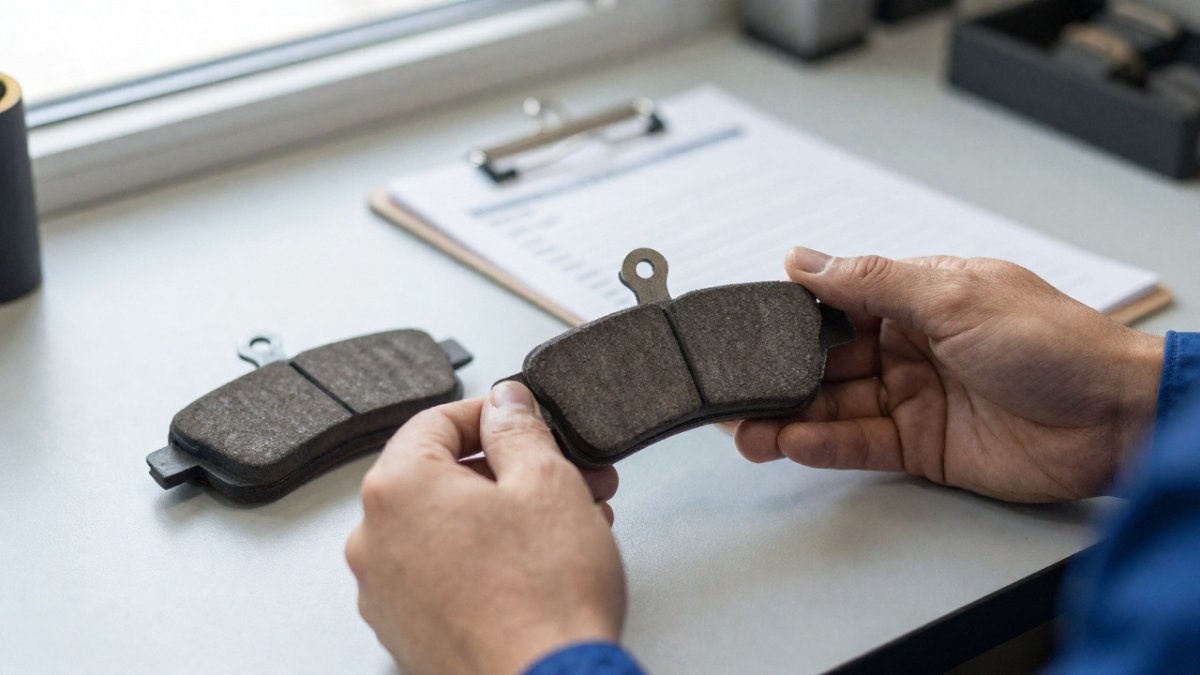
| Brake pad replacement (per axle) | $60-$150 | $80-$180 | $140-$330 |
| Alternator replacement | $180-$450 | $100-$250 | $280-$700 |
| Starter replacement | $150-$350 | $90-$220 | $240-$570 |
| Water pump replacement | $80-$250 | $150-$400 | $230-$650 |
| Transmission repair | $400-$1,800 | $300-$1,200 | $700-$3,000 |
| Engine diagnostics | $0-$50 | $80-$200 | $80-$250 |
| Internal engine work | $800-$3,000+ | $600-$2,500+ | $1,400-$5,500+ |
Repair costs depend on the parts used, the labor time required, and the condition of the vehicle. A seized bolt, rust, or a prior repair done poorly can add hours to a job, so contact Q3 Car & Truck Repair for a quote specific to your vehicle.
Routine Maintenance vs. Emergency Repairs
Scheduled service is predictable and cheap relative to its payoff. Emergency repairs are neither. An unexpected breakdown usually costs more for the same underlying part because you lose the ability to compare estimates, and you may pay a diagnostic fee plus a tow on top. Budgeting for the routine items is what keeps you out of the emergency column. If a surprise repair has already landed, our guide on how to budget for unexpected car repairs walks through the options.
How Vehicle Age and Mileage Move the Bill
Older vehicles cost more to keep, and not only because parts wear out. Fasteners corrode, plastic clips brittle, and every job takes longer than the book time assumes. Repair frequency climbs with mileage, and vehicle depreciation means the repair can approach the car's value. That is the moment to ask whether the work is worth doing, and a straight answer from a service advisor matters more than a low quote.
Watch out: a quote at the very bottom of a range often means a wear item was skipped, a cheaper aftermarket part was substituted, or the labor time was understated to win the job. Ask what is included before you compare two estimates on price alone.
Typical total cost ranges for common auto repairs
Parts vs. Labor: Where Your Money Actually Goes
Most repair bills split into two lines, parts and labor.
Here is how the split tends to fall by job type:
| Repair Type | Parts Share | Labor Share | What Drives It |
|---|---|---|---|
| Oil change | High | Low | Fluid and filter cost |
| Brake pad replacement | Moderate | Moderate | Rotor condition, caliper wear |
| Alternator failure | High | Moderate | OEM vs. aftermarket parts |
| Transmission repair | Moderate | High | Teardown hours, complexity |
| Engine diagnostics | None | Full | Technician time and equipment |
Aftermarket parts lower the parts line but vary in fit and lifespan. OEM components cost more and usually carry a stronger warranty. Neither is automatically right; it depends on how long you plan to keep the vehicle. We break the trade-offs down in our article on OEM parts for vehicle repairs.
What Is the Average Mechanic Labor Rate?
Labor rates vary by shop type and region. The only number that matters for your job is the rate and labor time shown on your estimate, and Q3 Car & Truck Repair can provide that for your vehicle.
Three things move the number:
- Repair shop overhead - real estate, equipment, insurance, and training all feed the hourly rate. A shop with a $60,000 alignment rack and factory scan tools has to recover that cost somewhere.
- ZIP code pricing - a dense metro market costs more to operate in than a rural one. The same brake job can carry a labor rate 30-50% higher in a high-cost metro than in a small-town market, even though the book time is identical.
- Technician skill - a certified auto technician with years of training earns more, and that shows up on the invoice. Shops that invest in ongoing training and OEM-specific tooling charge for it.
Here is the mechanism most owners miss: the labor line on your estimate is not the hourly rate alone. It is the rate multiplied by book time, and book time is set by industry labor guides for a factory-fresh vehicle. Rust, corrosion, and aftermarket parts that do not fit cleanly add real hours that the book never predicted. That is why two shops quoting the same hourly rate can produce estimates hundreds of dollars apart.
Watch out: a low hourly rate can hide padded hours. Ask for the labor time on the estimate and compare it to the job, not just the rate. A shop billing 4.5 hours for a job the guide lists at 2.5 hours is not cheaper, no matter what the rate says. Our breakdown of signs your mechanic is overcharging you covers what to look for.
Regional variance in labor rates generally tracks local wages, commercial rent, and the availability of qualified technicians. Before you accept a quote, ask the shop for its labor rate and the labor time for the job so you can check the estimate.
Using a Free Car Repair Estimate Calculator
A free car repair estimate calculator gives you a baseline before you ever call a shop. Tools like the Kelley Blue Book auto repair estimator and RepairPal's fair price estimator return a range for your make, model, and location, split into parts and labor.
Use the number correctly. It is a benchmark, not a bid. If a shop quotes well above the range, ask what is different about your vehicle. Rust, prior repairs, or an upgraded part can all justify the gap. If the quote is far below, ask what is being left out.
A calculator is also a negotiating tool. Walking in knowing the range changes the conversation from "what does it cost" to "why is this job at the top of the range."
Getting a Car Repair Estimate Online Before You Book
Requesting a car repair estimate online before you book saves a wasted trip and sets expectations. Send the year, make, model, mileage, and a description of the symptom. A shop that answers with a range and the reason behind it is telling you how it operates.
At Q3 Car & Truck Repair, our estimates are straightforward and explained before any work begins, so you know why a repair is necessary rather than hearing it after the fact. If your vehicle needs attention now, you can book an auto diagnosis and repair and get a clear answer on what it needs.
Car Maintenance Costs by Brand
Car maintenance costs by brand vary more than most buyers expect, and the gap holds over years of ownership. Consumer Reports' brand maintenance comparison tracks this across major brands using owner-reported data, and the pattern is consistent: luxury and European brands generally cost more to maintain than mainstream domestic and Asian brands.
The reasons are generally practical, such as specialized tools and pricier components. A brand with a strong powertrain warranty can offset some of that, but only while the coverage lasts.
Before you buy, check the brand's long-term cost-to-own reputation, not just the sticker price. The purchase price is the easy number; the maintenance schedule is the one that follows you home.
How Warranty and Insurance Coverage Change Your Out-of-Pocket Cost
Warranty coverage is the quietest line on the repair bill. A powertrain warranty can turn a transmission repair from a crisis into an inconvenience, and extended warranties exist precisely because out-of-pocket expenses on major repairs are hard to predict.
Read the terms before you rely on them. Coverage usually excludes wear items like brake pads and wiper blades, and it may require scheduled service at approved facilities to stay valid. Insurance handles collision damage, not mechanical failure, so do not expect a policy to cover an alternator.
The practical move: know what your warranty covers, keep your service records, and ask the shop whether a repair is likely to be covered before authorizing it. That one question has saved owners real money.
The challenge with auto repair costs is that no generic range knows your vehicle. Rust, mileage, and prior work change the number, and a generic range will not tell you what your vehicle actually needs. Q3 Car & Truck Repair works on cars and trucks and aims to provide straightforward estimates and honest, clear communication. Contact Q3 Car & Truck Repair for a quote specific to your vehicle.
Frequently Asked Questions
What is the $3,000 rule for car repairs?
It is a rough budgeting guideline, not an industry standard. The idea is that when a repair bill approaches or exceeds the vehicle's current market value, or when repairs in a single year top roughly a third of what the car is worth, replacement deserves serious thought. Run the numbers both ways: compare the repair quote against your car's resale value and against what a replacement vehicle would cost you monthly. A shop that walks you through the estimate line by line makes that decision easier.
Is $100 an hour fair for mechanic labor?
Labor rates vary widely by region, shop type, and the complexity of the work, so there is no single fair number. Dealerships typically charge more per hour than independent shops, and urban areas run higher than rural ones. What matters more than the hourly figure is whether the shop explains the labor time billed, uses OEM or aftermarket parts as you agreed, and gives you a written estimate before starting. Ask for the breakdown in writing.
How can I get a reliable car repair estimate online?
Start with a free car repair estimate calculator or an online estimator to get a ballpark range for your make, model, and ZIP code. Treat that number as a benchmark, not a quote. Then ask a local shop to inspect the vehicle and provide a written estimate that separates parts from labor and lists the diagnostic fee, if any. A trustworthy shop will explain why each repair is needed before you approve it.
Are repair costs different by vehicle make and model?
Yes. Car maintenance costs by brand can differ substantially because of parts pricing, how often components wear out, and how labor-intensive the design is to service. European and luxury brands often carry higher parts markups and longer labor times, while some domestic and Asian brands have cheaper, more widely available components. Before buying a used car, check long-term maintenance data for that model, not just the purchase price.