 ultimate-guide
How to Extend the Lifespan of Your Vehicle
Table of Contents
- Why Vehicle Longevity Matters
- Follow a Recommended Car Maintenance Schedule
- How Driving Habits Affect Car Longevity
- Recognize Signs of Engine Wear and Tear Early
- Protect Your Vehicle From Environmental Damage
- Use Quality Parts and Professional Service
- Plan for Long-Term Storage and Off-Season Care
- Frequently Asked Questions
Last Updated: September 22, 2026
Why Vehicle Longevity Matters
Your vehicle is one of your biggest investments. Whether you drive a sedan for daily commuting or a truck for work, how you care for it directly determines how long it serves you reliably. The difference between a vehicle that lasts 150,000 miles and one that makes it to 250,000 miles often comes down to one thing: consistent, thoughtful maintenance.
Most vehicle owners react to problems after they happen. A warning light comes on, something makes a noise, and then they call a mechanic. By that point, damage has already accumulated. Learning how to extend the lifespan of your vehicle flips this approach on its head. Instead of paying for emergency repairs, you invest in preventative maintenance that catches small issues before they become expensive failures.
At Q3 Car & Truck Repair, we've worked with many vehicle owners who wish they'd started this earlier. The ones who do tend to keep their cars and trucks running smoothly for years longer than expected. This guide walks you through the specific steps that make the real difference.
Follow a Recommended Car Maintenance Schedule
Your manufacturer provides a maintenance schedule for a reason. It's engineered based on how your specific vehicle operates and what it needs at different mileage intervals. Following this schedule is the single most important thing you can do to extend the lifespan of your vehicle.
The schedule isn't a suggestion. It's a roadmap that tells you exactly when to change fluids, rotate tires, replace filters, and inspect critical components. Ignoring it is like skipping preventive doctor visits and hoping you stay healthy.
Oil Changes and Fluid Checks
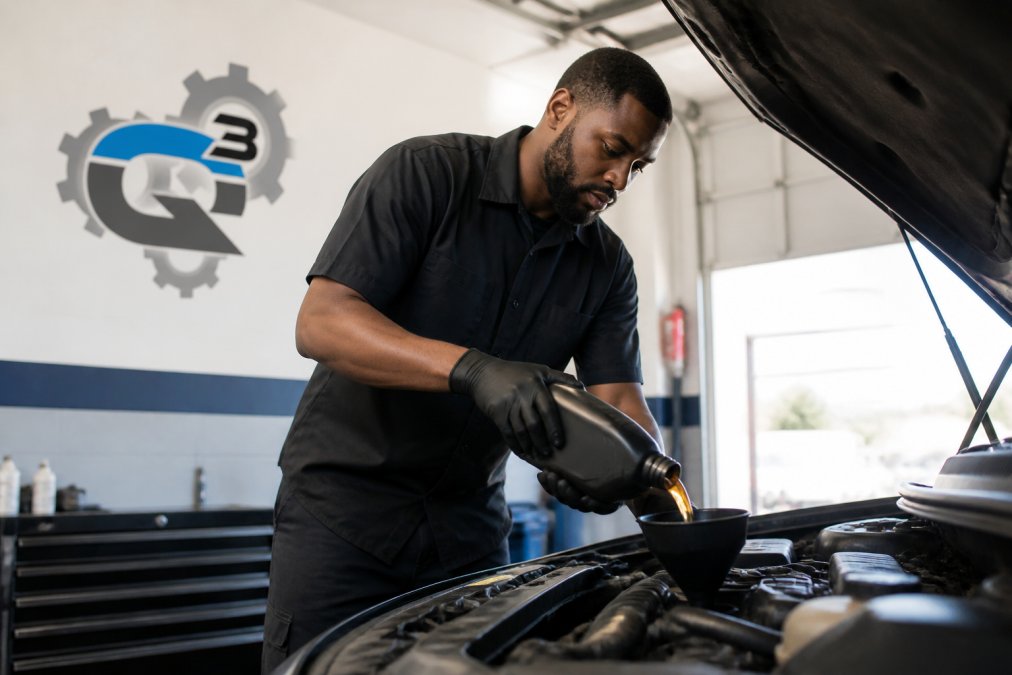
Engine oil keeps your engine running. It lubricates moving parts, carries away heat, and protects against corrosion. Over time, oil breaks down and loses its ability to do these jobs. Regular oil changes are non-negotiable for vehicle longevity.
Most vehicles need oil changes every 5,000 to 7,500 miles with conventional oil, though some modern engines with synthetic oil can go 10,000 miles or longer. Check your owner's manual for your vehicle's specific interval. While you're at it, check other fluids monthly: transmission fluid, coolant, brake fluid, and power steering fluid. Low levels indicate leaks or normal consumption, but either way, they need attention.
Don't wait for a warning light. Catching a small leak early prevents major damage. A quart of transmission fluid today costs far less than a transmission rebuild later.
Tire Maintenance and Rotation
Tires are where your vehicle meets the road. They wear unevenly depending on driving habits, alignment, and suspension condition. Rotating tires every 5,000 to 7,500 miles promotes even wear and extends tire life significantly.
Check tire pressure monthly and before long trips. Underinflated tires wear faster, reduce fuel efficiency, and can overheat and fail. Overinflated tires wear in the center and provide poor traction. Your vehicle's correct pressure is listed on a sticker inside the driver's door, not on the tire itself. When you rotate tires, have a professional inspect them for uneven wear patterns, which signal suspension or alignment problems that need fixing.
Battery Health and Seasonal Care
Your battery powers everything. In cold climates, winter demands extra from it. In hot climates, heat accelerates degradation. Most batteries last 3 to 5 years, but proper maintenance extends that window.
Keep battery terminals clean and free of corrosion. If white, blue, or green crusty buildup appears around the terminals, disconnect the battery and clean it with baking soda and water. Have your battery tested annually, especially before winter or summer. If it's weak, replace it before it fails and leaves you stranded. Many shops test batteries for free.
How Driving Habits Affect Car Longevity
How you drive shapes your vehicle's future. The same car driven aggressively by one owner and conservatively by another will have very different lifespans. Your driving habits either accelerate or slow the wear on your engine, transmission, suspension, and brakes.
Aggressive Acceleration and Hard Braking
Flooring the accelerator and slamming the brakes puts extreme stress on your engine, transmission, and brake system. Every hard acceleration forces your engine to work at maximum load, generating excessive heat and accelerating wear. Hard braking heats your brake pads and rotors, causing them to degrade faster.
Smooth acceleration and gradual braking reduce stress on all these systems. When you accelerate smoothly, your engine operates in its efficiency zone. When you brake gradually, your brake components last longer. This isn't about driving slowly, it's about driving smoothly. Anticipate stops, accelerate steadily, and you'll notice your vehicle feels more responsive and lasts longer.
Idling and Short Trips
Idling burns fuel without moving you anywhere, and it's harder on your engine than you'd think. When your engine idles, it doesn't reach full operating temperature, fuel doesn't burn completely, and moisture accumulates in the oil. Excessive idling shortens engine life.
Short trips compound the problem. Your engine never reaches full operating temperature, so condensation builds up in the crankcase and fuel system. If most of your driving is short trips around town, your engine experiences more wear per mile than someone doing highway driving. When possible, combine short trips into one longer journey. If you can't avoid short trips, take your vehicle on longer drives occasionally to let the engine reach full temperature and burn off moisture.
Recognize Signs of Engine Wear and Tear Early
Your vehicle communicates problems before they become catastrophic. Learning to recognize these signals and acting on them quickly can prevent expensive repairs and extend your vehicle's life significantly.

Warning Lights and Diagnostic Trouble Codes
Modern vehicles have dozens of sensors that monitor engine performance, emissions, transmission health, and battery status. When something goes wrong, a warning light appears on your dashboard. Some lights are urgent; others indicate a pending issue that needs attention soon.
The check engine light is the most common. It means a diagnostic trouble code has been stored. This could be something minor like a loose gas cap, or it could signal a real problem. Don't ignore it. Have the code read with a diagnostic scanner. Many auto parts stores read codes for free. Once you know what triggered the light, you can decide if it's urgent or can wait for your next scheduled service.
Performance Changes That Signal Trouble
Pay attention to how your vehicle feels and sounds. Changes in performance often precede warning lights. If your vehicle hesitates during acceleration, starts hard, stalls frequently, or makes unfamiliar noises, something's wrong. These symptoms can indicate issues with the fuel system, ignition system, transmission, or suspension.
Strange smells matter too. A burning smell might indicate an oil leak on hot engine parts. A sweet smell could be coolant leaking. A rotten-egg smell suggests a catalytic converter problem.
Protect Your Vehicle From Environmental Damage
Your vehicle's environment either protects or attacks it. Rust, UV damage, and salt corrosion are constant threats. How you store and maintain your vehicle against these forces directly impacts its longevity.
Use Quality Parts and Professional Service
When repairs become necessary, the parts and service quality matter enormously. Using substandard parts or rushing repairs creates problems that compound over time.
Plan for Long-Term Storage and Off-Season Care
If you store your vehicle seasonally or for extended periods, preparation prevents damage. A vehicle sitting unused faces different challenges than one in regular use.
| Maintenance Task | Frequency | Why It Matters |
|---|---|---|
| Oil and filter change | Every 5,000-10,000 miles | Keeps engine lubricated and protected |
| Tire rotation | Every 5,000-7,500 miles | Promotes even wear and extends tire life |
| Fluid level checks | Monthly | Catches leaks and prevents system damage |
| Battery test | Annually | Prevents unexpected failure |
| Tire pressure check | Monthly | Improves safety and fuel efficiency |
| Per manufacturer schedule | Prevents corrosion and overheating | |
| Monthly or per schedule | Maintains smooth shifting and longevity |
Frequently Asked Questions
What is the most important maintenance task to extend the lifespan of your vehicle?
Regular oil changes are foundational. Clean oil reduces engine wear and tear by minimizing friction between moving parts. Follow your manufacturer's service interval for oil changes, whether that's every 3,000 miles with conventional oil or every 7,500-10,000 miles with synthetic oil. Neglecting this single task accelerates engine degradation more than almost anything else, making it the cornerstone of vehicle longevity.
How does aggressive driving affect the long-term health of a vehicle?
Aggressive acceleration, hard braking, and rapid cornering create excessive stress on your engine, transmission, suspension components, and brakes. These driving habits increase engine wear, reduce fuel efficiency, and shorten the lifespan of critical systems. Smooth acceleration, gradual deceleration, and steady speeds allow your vehicle to operate within normal parameters, preserving performance and reducing the need for premature repairs.
What are the early signs that a vehicle is experiencing engine wear and tear?
Watch for check engine lights, rough idling, loss of power during acceleration, unusual noises (knocking, grinding), increased oil consumption, or a noticeable drop in fuel efficiency. These signs often correlate with diagnostic trouble codes that a professional scan can identify. Addressing these warning signs promptly prevents minor issues from developing into major engine problems that could end your vehicle's lifespan prematurely.
Are synthetic oils better for extending engine life than conventional oil?
Synthetic oils offer superior protection and longer service intervals, typically lasting 7,500-10,000 miles or more compared to 3,000-5,000 miles for conventional oil. They maintain viscosity better across temperature extremes, reduce engine wear, and provide better fuel efficiency. However, the best choice depends on your vehicle's manufacturer specifications and driving conditions. Consult your service manual to determine what your vehicle requires.