 ultimate-guide
Maintenance for Older High Mileage Trucks: A Guide
Table of Contents
- Why Maintenance for Older High Mileage Trucks Differs
- The High Mileage Truck Maintenance Checklist
- Understanding 100,000 Mile Service Requirements
- Rust and Chassis Preservation for Long-Term Ownership
- Sourcing Discontinued Parts and Diagnostic Tools for DIYers
- Preventative Maintenance for Trucks That Sit
- Fleet Vehicle Maintenance Waldorf MD: What Fleets Get Wrong
- Know When to Call a Professional
- Frequently Asked Questions
Last Updated: September 9, 2026
Why Maintenance for Older High Mileage Trucks Differs
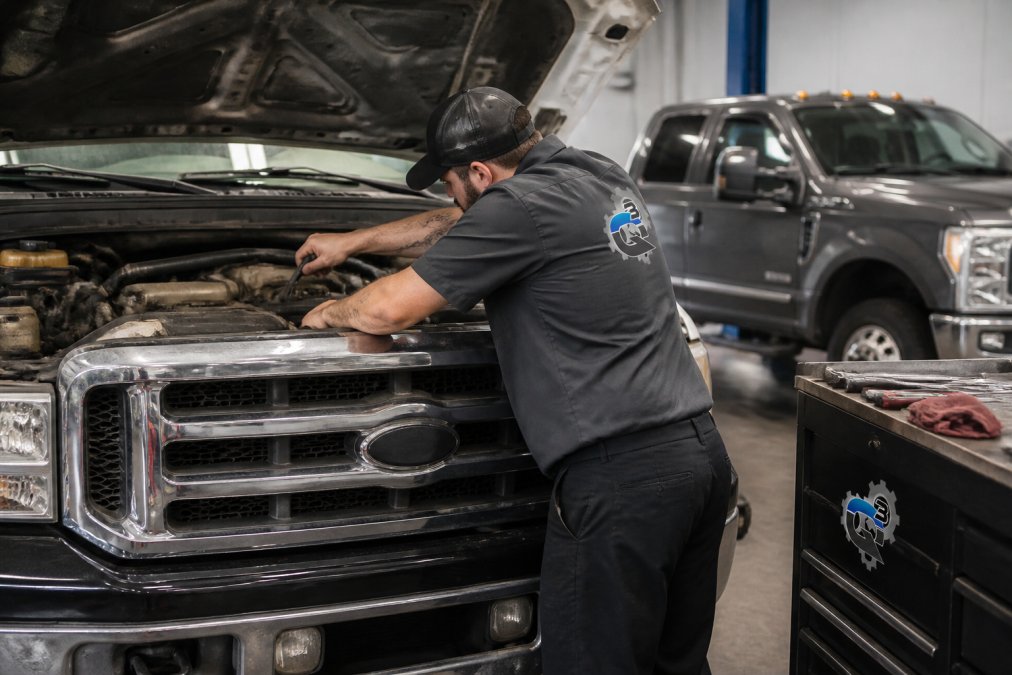
Maintenance for older high mileage trucks is not the same as caring for a newer vehicle, because the failure points shift dramatically once a truck passes roughly 100,000 miles. A truck with 180,000 miles on the odometer doesn't need the same parts replaced as a 40,000-mile daily driver; it needs a focus on fluid degradation, rubber hose degradation, and the slow wear of suspension bushings. At Q3 Car & Truck Repair, our technicians are experienced with older vehicles and their quirks, and they build trust by explaining why a repair is necessary before doing the work.
The core difference comes down to predictability. On a newer truck, you follow the factory service intervals and expect few surprises. On a high-mileage vehicle, you are managing accumulated wear, chasing small issues before they become large ones, and staying ahead of parts that fail from age rather than use. The goal is drivetrain longevity and vehicle reliability, which requires a preventative maintenance mindset rather than a reactive one. Below, we will show you exactly how to structure that approach, covering the checklist items that matter most and the ones most guides overlook.
The High Mileage Truck Maintenance Checklist
A high mileage truck maintenance checklist should prioritize the systems that keep the engine cooling, lubricated, and turning over reliably. The most important rule is consistency: follow a schedule, keep records, and address small leaks before they become gasket leaks that strand you on the side of the road. Many owners find that a dedicated notebook or a simple spreadsheet tracking service dates is the single most effective tool for extending the life of an older truck.
Fluids and Filters
Fluids are the lifeblood of any aging powertrain, and their condition matters more than their level. Engine oil should be changed on a strict schedule, and for high mileage trucks, many owners switch to a synthetic oil with a higher oil viscosity rating to better protect worn internal components (api.org). Transmission fluid is equally critical; transmission slippage is often traced back to neglected fluid changes, and a flush every 30,000 to 50,000 miles can prevent costly rebuilds.
Differential fluid and coolant are the two most commonly forgotten fluids on older trucks. The differential operates under extreme heat and pressure, and old fluid loses its ability to protect gears. A coolant flush, meanwhile, prevents the sludge and corrosion that lead to overheating and engine damage. Air filter maintenance and fuel system cleaning round out the basics, ensuring the engine breathes and burns efficiently.
Wear Items and Belts
The rubber and friction components of a high mileage truck fail on a schedule of their own. The serpentine belt should be inspected for cracks at every oil change, and spark plug replacement is typically due by 100,000 miles. Brake pad wear is a given, but owners should also watch for caliper seizure, which causes premature pad wear and pulling to one side. Rotor resurfacing or replacement is often needed at the same interval.
Suspension components take a beating on trucks, especially those used for hauling. Suspension bushings dry out and crack, ball joints develop play, and shocks lose their damping ability. An under-the-hood inspection should also include checking for engine sludge, which indicates poor oil change habits, and inspecting all rubber hoses for softness or bulging.
Understanding 100,000 Mile Service Requirements
The 100,000 mile service requirements are the point where a truck transitions from routine maintenance to preventative replacement of major components. This is not a single service but a scheduled evaluation of parts that have reached the end of their designed fatigue life. The most significant item on this list is the timing belt or timing chain inspection.
A timing belt failure on an interference engine, where the pistons can strike the valves, destroys the engine (cars.com). On a 3.4L V6 in a Toyota Tundra or a 2.7L four-cylinder in a Chevrolet Colorado, the belt is due at 90,000 to 105,000 miles. The belt itself is inexpensive, but the labor to reach it is significant, which is why most owners replace the water pump, tensioner, and idler pulleys at the same time. A timing chain, by contrast, is designed to last the life of the engine, but on high-mileage trucks the chain guides wear out. A rattling noise on a cold start, lasting two to three seconds, is the classic symptom of a stretched chain or a worn tensioner on a Ford 5.4L or a GM 5.3L. Ignoring that rattle leads to chain slap against the timing cover and, eventually, a jumped chain that bends valves.
This is also the mileage where the cooling system needs a full flush, not just a top-off, and where the thermostat should be replaced as cheap insurance. A stuck-closed thermostat causes overheating; a stuck-open one prevents the engine from reaching operating temperature, which triggers the computer to run rich and wastes fuel. The radiator cap should also be replaced, a cap that fails to hold pressure lowers the boiling point of the coolant and causes mysterious coolant loss.
The fuel filter, if not already changed, should be swapped. On many trucks, a clogged fuel filter causes hard starting and a loss of power under load, and it is a $30 part that takes ten minutes to replace on a frame rail. The alternator output should be tested with a multimeter; at idle, it should read between 13.5 and 14.5 volts (batteryuniversity.com). If it reads below 13 volts, the battery is not being charged fully, and the alternator is likely failing internally. Many owners also address the water pump at this interval, since it is driven by the timing belt and is inexpensive to replace while the belt is off.
Beyond the engine, the 100,000-mile mark is the time to inspect the u-joints on the driveshaft. A u-joint with play causes a clunk when shifting from drive to reverse and a vibration at highway speed. If a u-joint seizes, the driveshaft can whip and damage the transmission tailshaft. This service, timing components, cooling system, fuel delivery, and driveline inspection, is the single best investment in powertrain health an owner can make. Skipping it to save $800 in the short term risks a $4,000 engine replacement or a $2,500 transmission overhaul.
Rust and Chassis Preservation for Long-Term Ownership
Rust is the silent killer of older trucks, and it does more damage than any mechanical failure. Unlike a worn brake pad, rust is not a quick fix; it compromises the structural integrity of the frame and suspension mounting points. Rust mitigation starts with a thorough undercarriage wash in the spring to remove road salt, followed by an annual inspection of the frame rails, crossmembers, and leaf spring mounts.
Owners in regions that use road salt should consider an annual rust-preventative treatment applied to the chassis. Surface rust on frame rails can be neutralized and painted, but deep rust that flakes and pitting requires professional evaluation. A mechanic inspecting the underside of a lifted pickup on a hoist will look for areas where the frame has thinned or where body mounts have corroded. Catching rust early is the difference between a $200 repair and a totaled frame.

Sourcing Discontinued Parts and Diagnostic Tools for DIYers
Finding parts for a 20-year-old truck requires a different strategy than ordering for a current model. Many owners find that OEM parts are discontinued, and the aftermarket is the only source. The key is to identify which parts are safe to buy aftermarket and which should be sourced from a salvage yard for genuine OEM quality. Electrical components, sensors, and engine computers (ECUs) are often best sourced used from a wrecked truck, while wear items like brakes and suspension are perfectly fine from quality aftermarket brands.
For DIYers, a good OBD-II diagnostics scanner is essential. A basic code reader costs little and can tell you why the check engine light is on, but a more advanced scanner can read live data from the oxygen sensors, coolant temperature, and transmission. This data is invaluable for diagnosing intermittent issues like a failing crankshaft position sensor or a clogged catalytic converter before you start replacing parts blindly.
Preventative Maintenance for Trucks That Sit
A truck that sits for weeks or months at a time develops problems that a daily driver never sees. Fuel degrades and gums up the fuel system, tires develop flat spots, and rodents can chew through wiring harnesses. Preventative maintenance for a sitting truck starts with a fuel stabilizer added to a full tank of gas, which prevents moisture buildup and fuel oxidation.
Battery health is the most common issue for stored trucks. A parasitic drain from the clock or an aftermarket alarm will kill a battery in three to four weeks. Owners should either disconnect the battery or connect it to a trickle charger that maintains the charge without overcharging. Before returning the truck to service, check the tire pressure, which drops in cold weather, and inspect the tread depth for flat spots that cause vibration.
Fleet Vehicle Maintenance Waldorf MD: What Fleets Get Wrong
Fleet vehicle maintenance Waldorf MD operations often fail because they treat every truck the same, ignoring the differences in how each vehicle is used. A delivery truck that idles for hours and makes short trips accumulates engine sludge and wears out brakes faster than a highway truck. Fleet managers who apply a single maintenance schedule to all vehicles either waste money on unnecessary service or miss critical failures on hard-used trucks.
The most effective fleet approach tracks mileage and hours separately, since idling time does not show up on the odometer. Fleets should also keep detailed records per vehicle, including driver reports of unusual noises or vibrations. A driver who reports a vibration at highway speed is often the first sign of a failing driveshaft or wheel bearing. Catching these issues early prevents a breakdown that takes a truck out of service for days and disrupts delivery schedules.
Know When to Call a Professional
There is a limit to what a DIY owner should tackle on a high mileage truck, and knowing that limit saves money and prevents injury. Major services like transmission fluid flushes, timing belt replacement, and any work involving the airbags or ABS should be left to a professional shop. These jobs require specialized tools, lift access, and the experience to handle unexpected issues like seized bolts or broken fasteners.
For owners in the Capitol Heights and Waldorf areas, the team at Q3 Car & Truck Repair provides premium automotive maintenance and repair services. Their technicians are experienced with older vehicles and their quirks, and they build trust by explaining why a repair is necessary before doing the work. They also offer clear estimates and honest communication, which matters when you are deciding whether to invest in a truck with significant mileage.
Keeping an older high mileage truck on the road is a commitment to preventative maintenance, consistent record keeping, and honest assessment of when a repair exceeds the truck's value. The checklist above covers the mechanical essentials, but the real challenge is finding a shop that treats your aging truck with respect rather than judgment. At Q3 Car & Truck Repair, our technicians combine skilled workmanship with transparent communication, giving you a clear explanation of what your truck needs and why. Request an appointment today and get a straightforward estimate from a team dedicated to delivering expert workmanship through a process built on transparency, honest communication, and genuine care for our customers.
Frequently Asked Questions
What is too high mileage for a used truck?
There is no single mileage number that makes a truck unreliable. A well-maintained truck with 200,000 miles can outlast a neglected one with 100,000 miles. The condition of the engine, transmission, and frame matters more than the odometer reading. Look for service records and check for rust, leaks, and unusual noises. Trucks used for towing or off-road work may need more attention at lower mileages.
What fluids should be replaced at a 100,000 mile service?
A 100,000 mile service typically includes replacing engine oil and filter, transmission fluid, coolant, and brake fluid. Differential and transfer case fluids should also be changed if you have a 4x4. Power steering fluid and a fuel system cleaning are often recommended at this interval. Check your owner's manual for the exact schedule for your make and model.
What is the $3000 rule for cars?
The $3,000 rule is a rough guideline that suggests if a repair costs less than $3,000 and the vehicle is otherwise in good shape, it is often worth fixing, especially for a paid-off truck. If the cost approaches half the truck's value or the frame is rusted, replacement may be smarter. The rule is not a hard number; it depends on your budget and the truck's overall condition.
What maintenance should be done at 200,000 miles?
At 200,000 miles, go beyond routine services. Inspect the timing belt or chain, water pump, and serpentine belt. Check for gasket leaks and engine sludge. Replace worn suspension bushings and ball joints. Have a compression test done to check engine health. Inspect the wiring harness for rodent damage or corrosion. A professional inspection can help you prioritize the most critical items.
How does frequent towing affect maintenance schedules for older trucks?
Towing adds significant stress to the engine, transmission, and brakes. Shorten your oil change intervals and use the manufacturer's recommended oil viscosity, often a heavier grade for heavy use. Transmission fluid and differential fluid need more frequent changes. Inspect brake pads and rotors more often, as stopping distance increases with a load. Check your owner's manual for the 'severe duty' maintenance schedule.
What are the signs that an older truck needs immediate professional inspection?
Get a professional inspection if you notice transmission slippage, a persistent check engine light, coolant leaks, or a significant drop in fuel economy. Unusual knocking or ticking sounds from the engine, grinding when braking, or wandering steering are also red flags. Excessive exhaust smoke or a burning smell from the engine bay means you should stop driving and get help.