 how-to
Maintaining Older Trucks With Quirks: A Practical Guide
Table of Contents
- Understanding Your Truck's Personality and Quirks
- High-Mileage Truck Maintenance Schedule
- Common Problems With Older Trucks and How to Address Them
- DIY Diagnostics vs. Professional Assessment
- Truck Repair Cost-Benefit Analysis: When to Fix or Replace
- Modernizing Safety Features on Aging Vehicles
- Building a Maintenance Partnership With Your Mechanic
- Conclusion
Understanding Your Truck's Personality and Quirks
Every older truck has character, rattles on cold mornings, specific key-turn sequences for reliable starts, or quirks that signal deeper issues. A truck pulling left during braking might indicate uneven brake pad wear; hesitation on acceleration could mean fuel delivery problems or spark plug degradation. Learning to read these signals keeps your truck reliable and roadworthy.
At Q3 Car & Truck Repair, we've found that trucks with the most personality are often owned by people who pay attention to what the truck communicates. A truck with 150,000 miles can run another 100,000 if you know what to listen for and address problems before they cascade.
The key is building a relationship with your truck: notice changes, track when new sounds appear, write things down. This transforms you from someone surprised by breakdowns into someone who stays ahead of them.
High-Mileage Truck Maintenance Schedule
Once your truck crosses 100,000 miles, service intervals shift. Components designed to last 80,000 to 100,000 miles now operate in borrowed time. Preventative maintenance becomes your best investment.
Critical Fluid Checks and Service Intervals
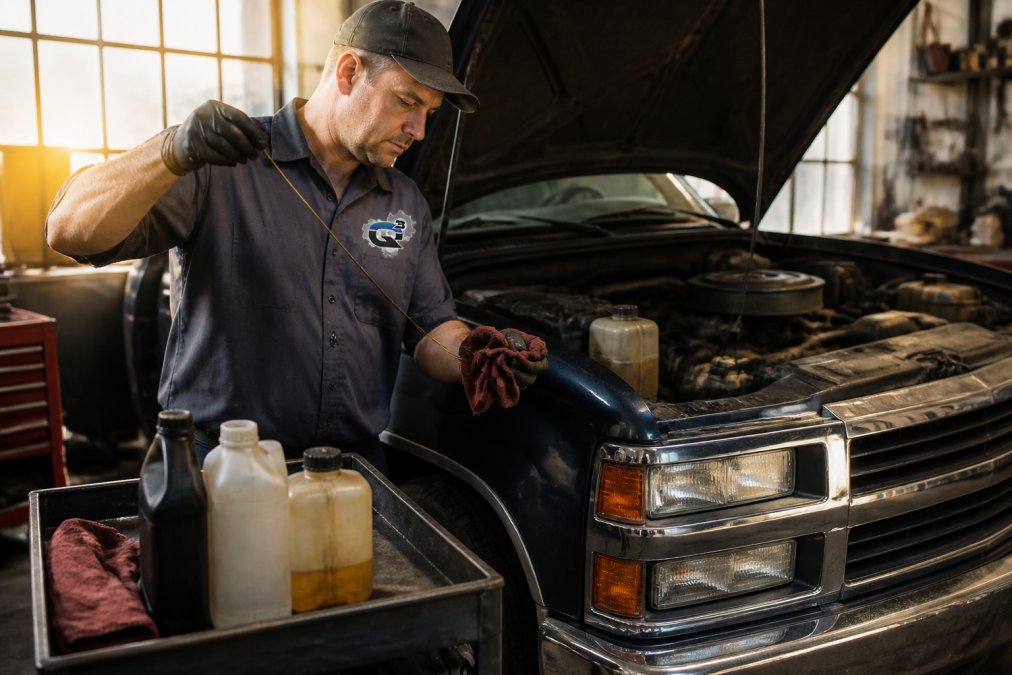
Fluids degrade over time and use. Engine oil viscosity changes, transmission fluid loses protective properties, coolant becomes acidic and loses corrosion protection.
Check engine oil every 500 miles or every two weeks. At 100,000 miles and beyond, change oil every 3,000 to 5,000 miles depending on engine type and oil grade. Synthetic oil extends intervals, but the cost savings pale compared to engine damage from running low or dirty oil.
Transmission fluid deserves equal attention. A transmission fluid flush and filter change every 60,000 miles on trucks over 100,000 miles prevents most transmission problems.
Coolant system flushing every 30,000 miles once your truck passes 100,000 miles prevents corrosion that attacks gaskets from inside, leading to leaks, overheating, and catastrophic engine damage.
Brake fluid absorbs moisture from air, corroding brake components over time. A brake fluid flush every two years or every 20,000 miles keeps your braking system responsive.
Brake, Suspension, and Steering Inspections
These systems directly affect stopping, handling, and safety. Inspect them every 15,000 miles on high-mileage trucks.
Brake pads wear unevenly on older trucks. Front pads typically last 25,000 to 50,000 miles, but suspension wear causes uneven wear. Inspect monthly; if thinner than a quarter, replace immediately. Worn pads damage rotors, doubling repair costs.
Suspension components, ball joints, tie rods, control arm bushings, shocks, all wear out. A truck with 150,000 miles shows suspension play as wandering steering, clunking over bumps, or a bouncy ride. These aren't just comfort issues; worn suspension increases stopping distance and reduces control in emergencies.
Steering linkage corrodes and loosens. Tie rod ends and pitman arms develop play, creating sloppy steering and increased tire wear. Inspect steering components annually on high-mileage trucks.
Common Problems With Older Trucks and How to Address Them
Older trucks develop predictable problems. Knowing what to expect helps you decide whether to fix, live with, or replace the truck.
Rust, Gasket Leaks, and Electrical Shorts
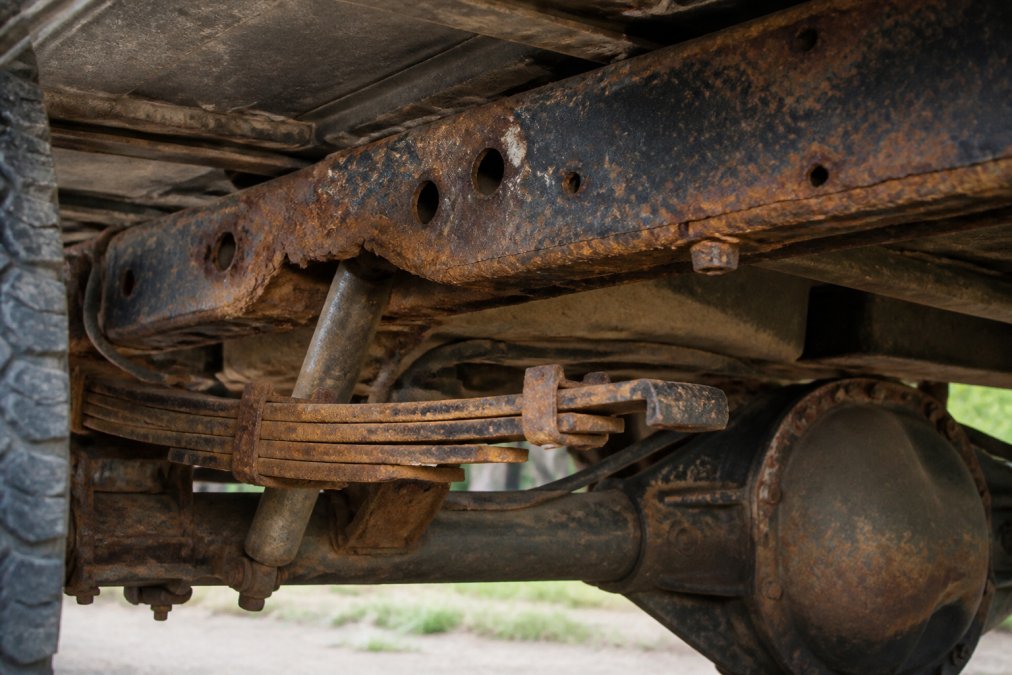
Rust is the silent killer of older trucks. It starts on the undercarriage where salt, water, and road chemicals collect, then spreads to frame, suspension mounts, and body panels. Once rust reaches the frame, structural integrity is compromised.
Prevent rust with underbody coating applied every year or two. For trucks showing surface rust, wire brushing and touch-up paint slow spread. Deep rust requires welding or component replacement.
Gasket leaks are common on high-mileage engines. Valve cover gaskets, intake manifold gaskets, and oil pan gaskets harden and crack with age. A small leak might seem minor until oil drips onto hot engine components and creates a fire hazard. Address gasket leaks promptly.
Electrical shorts plague older trucks. Wiring harnesses crack, connectors corrode, switches fail. A truck that won't start on humid mornings might have a corroded battery terminal; one that randomly loses power might have a failing alternator or wiring short. Professional assessment saves time and money on electrical diagnosis.
Drivetrain and Engine Performance Issues
Engine performance drops as trucks age. Compression decreases, spark plugs foul, fuel injectors clog, resulting in rough idle, hesitation, or poor fuel economy.
Replace spark plugs every 30,000 to 50,000 miles on high-mileage trucks. New plugs often restore smooth running and improve fuel economy noticeably.
Fuel injector cleaning or replacement addresses hesitation. Replace fuel filters every 15,000 to 20,000 miles; a clogged filter starves the engine of fuel.
Drivetrain issues, transmission slipping, transfer case noise, differential whine, require professional diagnosis. A transmission that slips needs a fluid flush first; if that doesn't help, internal repairs are expensive. A whining differential might need fresh gear oil or bearing replacement; the cost difference is enormous.
DIY Diagnostics vs. Professional Assessment
You can diagnose many truck problems yourself. Simple problems, checking fluid levels, replacing spark plugs, inspecting brake pads, identifying obvious leaks, noticing new sounds, work well for DIY diagnostics and give you information to share with a mechanic.
DIY diagnostics fail when you need specialized equipment. Diagnosing electrical shorts requires a multimeter and wiring knowledge. Diagnosing transmission problems requires a scan tool. Diagnosing suspension wear requires a lift and trained eye.
If diagnosis requires equipment you don't own or expertise you haven't developed, get professional assessment. One diagnostic visit is cheap compared to replacing a part that wasn't actually broken.
At Q3 Car & Truck Repair, diagnosis starts with listening to your description, moves to visual inspection, then to equipment-based testing if needed. This systematic approach finds the actual problem instead of guessing.
Many truck owners avoid mechanics fearing unnecessary upsells. Work with a shop that explains findings and why repair is necessary. You should understand every repair before it happens.
Truck Repair Cost-Benefit Analysis: When to Fix or Replace
Every older truck owner eventually faces the decision: keep fixing or replace. Base this on data, not emotion.
Calculating Total Cost of Ownership
Total cost of ownership includes purchase price, fuel, insurance, registration, maintenance, and repairs. For older trucks, maintenance and repair costs dominate.
Track what you've spent over the past two years, including routine maintenance and repairs. Divide by two for annual cost, multiply by expected ownership years, and add current resale value. Compare to replacement truck costs.
The math often surprises people. A truck owned ten years might cost less to keep three more years than replace, even with frequent repairs. Conversely, a truck needing a significant repair might be worth less than its market value; replacement makes sense.
Sourcing Discontinued Parts and Budget Repairs
Older trucks often need discontinued parts. Salvage yards offer used transmissions, suspension components, and electrical parts at fractions of rebuilt unit costs. The trade-off is unknown remaining life.
Rebuilt parts offer middle ground: known condition with warranty, costing more than salvage but less than new. For critical components like transmissions, rebuilt often makes sense.
Budget repairs by prioritizing: do brakes and tires first (safety-critical), then engine performance, then comfort items. Spread repairs across months if budget is tight.
Modernizing Safety Features on Aging Vehicles
Older trucks lack modern safety features. You can't retrofit all of them, but you can add some.
Aftermarket backup cameras are inexpensive and useful, reducing backing accidents and improving parking.
Stability control cannot be retrofitted safely. However, upgrading suspension components, new shocks, stiffer springs, modern tires, improves handling in emergency maneuvers.
Airbags cannot be retrofitted. A modern steering wheel improves ergonomics and grip, improving control in normal driving.
The most important safety upgrade is tires. Modern tire technology dramatically outperforms tires from ten years ago, improving braking distance, wet-condition handling, and stability.
Building a Maintenance Partnership With Your Mechanic
The best defense against expensive surprises is a mechanic who knows your truck. Consistent shop visits mean they understand your truck's baseline, know which quirks are normal, and catch issues early.
This relationship requires honesty from both sides. Describe what the truck is doing accurately, even if minor. The mechanic should explain findings clearly and ask permission before work beyond your authorization.
Q3 Car & Truck Repair builds relationships on transparency. You should receive written estimates before major work. You should understand why each repair is necessary and feel comfortable asking questions without pressure.
Regular maintenance visits keep small problems from becoming big ones, cost less than emergency repairs, and build the mechanic relationship. Schedule during your truck's slow season if possible, allowing thorough work without rushing and often better pricing.
Maintaining an older truck is about understanding what your truck communicates and staying ahead of problems before they become expensive. Trucks that last longest aren't those that never break; they're owned by people who notice changes, address them promptly, and build trust with a mechanic.
At Q3 Car & Truck Repair, we've helped countless truck owners extend aging vehicle life through consistent maintenance and honest diagnosis. When you're ready to get your truck on a reliable maintenance schedule, Request Appointment with our team. We'll review your truck's history, identify what needs attention now versus later, and build a plan that keeps your truck running safely for years to come.
Frequently Asked Questions
What is the most neglected maintenance task on older trucks?
Fluid flushes and transmission fluid changes rank among the most overlooked maintenance tasks on high-mileage trucks. Many owners skip coolant system flushing and brake fluid changes, which leads to accelerated wear and rust. Preventative maintenance schedules call for these services every 30,000 to 60,000 miles, but neglecting them can cause expensive drivetrain damage and safety issues. Staying on top of fluid maintenance extends vehicle longevity significantly.
How can I tell if an older truck is worth repairing or if I should replace it?
Use a truck repair cost-benefit analysis: if annual repair costs exceed 50% of the truck's current market value, replacement often makes financial sense. Calculate total cost of ownership by tracking repair expenses over time. However, if your truck has strong mechanical reliability and you've built a relationship with a trusted mechanic, keeping it may be more cost-effective. Consider your truck's odometer reading, rust severity, and whether repairs address safety concerns like brake pads or steering linkage issues.
What common problems should I expect with trucks over 150,000 miles?
Common problems with older trucks include gasket leaks, suspension component wear, chassis rust, electrical shorts, and transmission fluid degradation. Engine performance often declines due to worn spark plugs and air filters. Brake pads wear faster on high-mileage vehicles, and steering components develop play. Regular diagnostic checks catch these issues early. Many owners also face belt and hose failures, which can strand you if not addressed during preventative maintenance intervals.
Can I perform basic maintenance myself, or should I always see a professional?
DIY diagnostics work well for simple checks like tire rotation, air filter replacement, and fluid level inspections. However, suspension components, brake system work, and transmission service require professional assessment to ensure safety. If you notice electrical shorts, unusual engine performance, or steering linkage problems, professional diagnostic equipment is essential. A skilled technician can distinguish between quirks that need attention and normal aging. Build a relationship with a mechanic who explains findings clearly before recommending repairs.
This article was written using GrandRanker