 ultimate-guide
How to Choose a Mechanic: A 2026 Guide
Table of Contents
- Verify Mechanic Certifications and Training
- Evaluate Shop Cleanliness and Equipment
- Questions to Ask a Mechanic Before Repair
- Understanding Average Auto Repair Labor Rates
- Signs of a Dishonest Auto Repair Shop
- How to Choose a Mechanic Who Matches Your Vehicle's Needs
- Building a Long-Term Relationship With Your Mechanic
Last Updated: August 29, 2026
Verify Mechanic Certifications and Training
An ASE certification (Automotive Service Excellence) is the gold standard in the industry. ASE-certified technicians have passed rigorous exams and maintain their credentials through ongoing education, proving competency in their field (ase.com). When evaluating a repair facility, ask directly: "Are your technicians ASE-certified?" Most reputable shops employ at least some certified technicians, and many display certifications prominently in the waiting area or on their website.
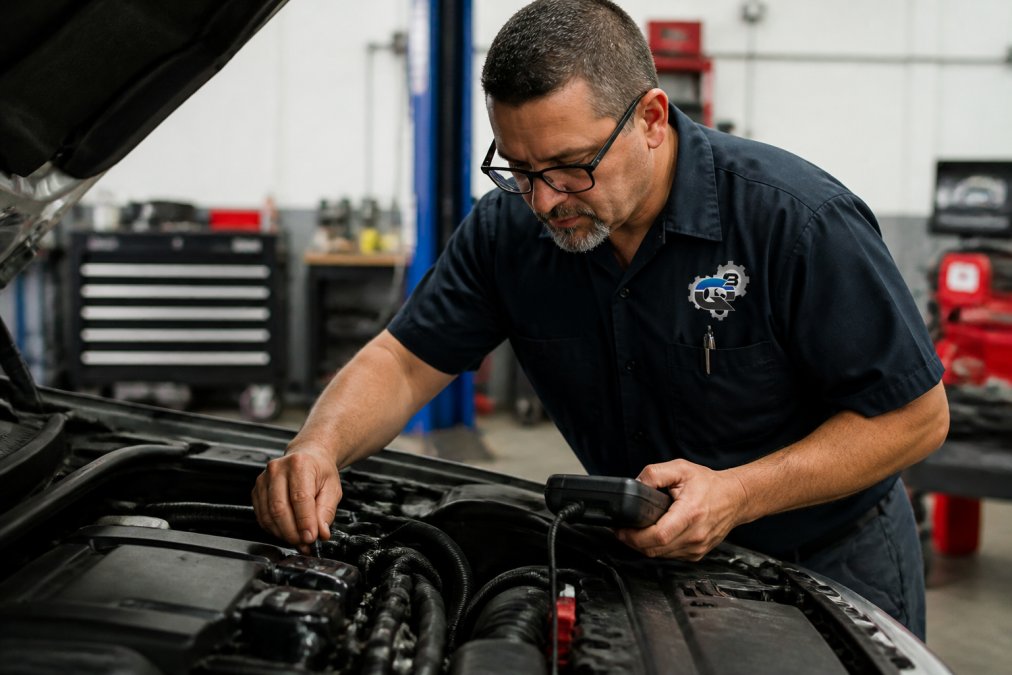
Beyond ASE, inquire about manufacturer-specific training. A technician trained specifically on your vehicle's make will understand its systems better than a generalist. A master technician designation indicates extensive experience and advanced training, typically at least five years of hands-on work plus additional certifications (ase.com). Ask how technicians stay current with evolving vehicle technology, modern cars rely heavily on computer diagnostics and software updates. A shop that invests in continuing education understands that automotive systems are constantly changing.
Evaluate Shop Cleanliness and Equipment
Shop cleanliness reflects operational standards and attention to detail. A clean workspace reduces the risk of lost parts, cross-contamination, and missed steps during repairs. Look at the service bays: are tools organized and stored properly? Is the area regularly wiped down? Professional operations maintain their environment because cleanliness directly impacts work quality.
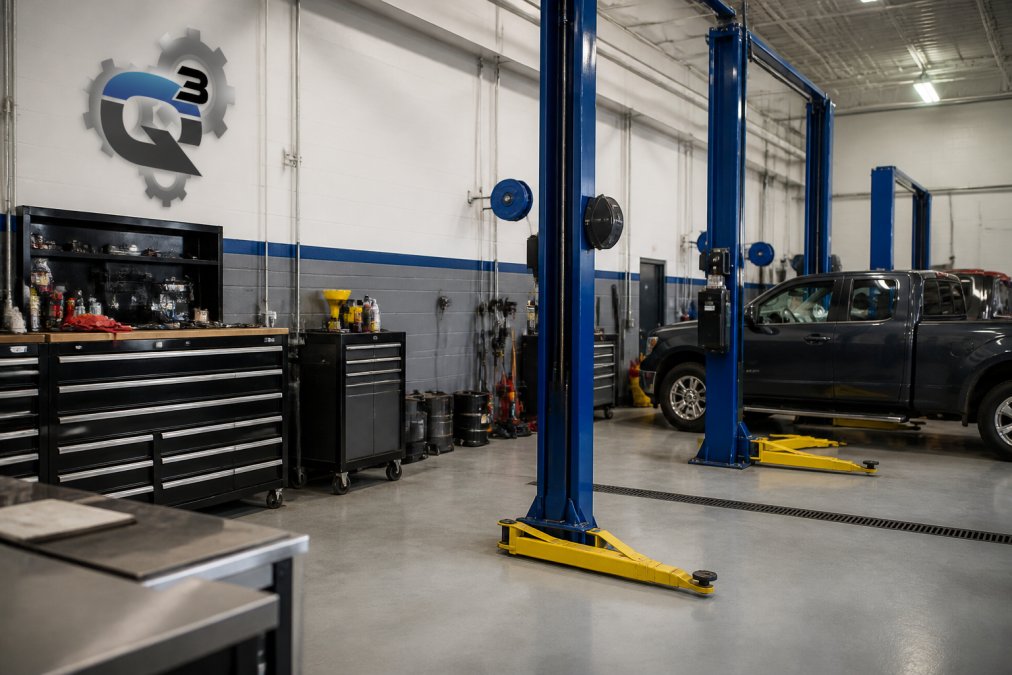
Modern diagnostic equipment is essential for accurate troubleshooting. Computer diagnostic scanners are standard now and read error codes to help technicians pinpoint problems without guesswork. Equipment quality varies significantly, a basic scanner costs a few hundred dollars, while an advanced multi-brand scanner costs thousands. A shop that has invested in quality equipment signals serious commitment to serving customers properly.
Pay attention to the overall atmosphere. Is the facility bright and well-lit? Poor lighting makes precision work harder and increases mistakes. Are safety protocols visible, fire extinguishers accessible, and fluids properly stored? These details indicate whether the shop prioritizes safety for both technicians and vehicles.
Questions to Ask a Mechanic Before Repair
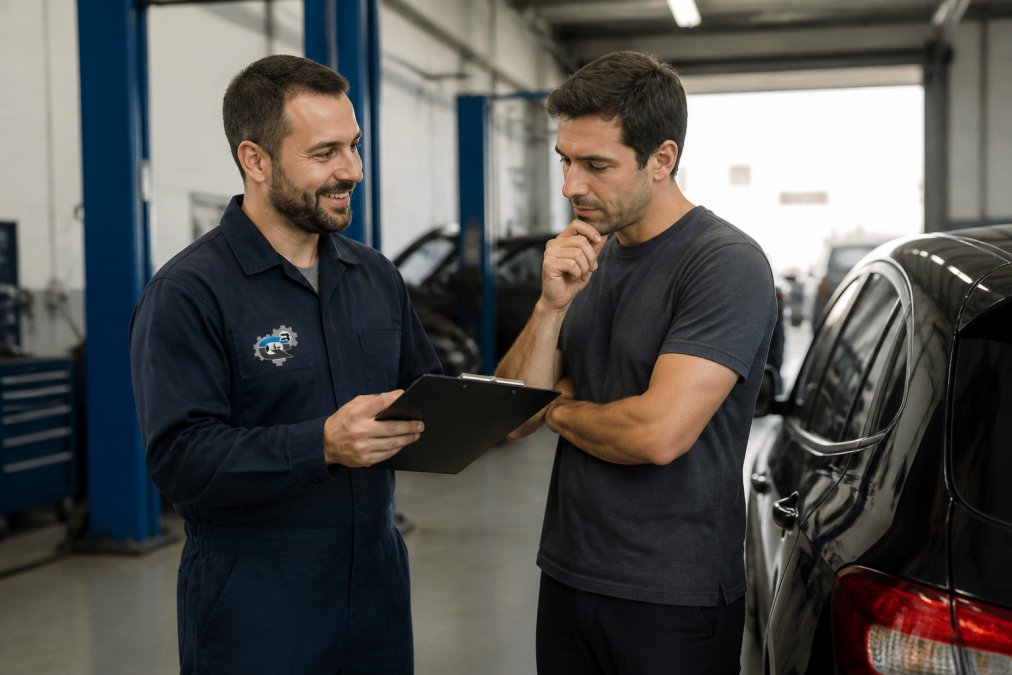
Before authorizing any work, get clear answers to specific questions. Start with the diagnostic process: "What's the diagnostic fee, and what does it include?" Many shops credit the diagnostic fee against the final bill, which is fair practice.
Ask for a written estimate before work begins. This is non-negotiable. The estimate should detail specific repairs needed, parts costs, labor hours, and total cost. Follow up with: "Will you contact me before doing any work beyond this estimate?" A good shop calls you if they discover additional problems and waits for your approval before proceeding.
Ask about parts: "Will you use OEM parts or aftermarket parts, and what's the difference in cost?" OEM (original equipment manufacturer) parts are made by your vehicle's manufacturer and typically cost more but fit exactly as designed. Aftermarket parts can vary in quality. You have the right to choose, and the shop should explain the trade-offs.
Inquire about warranties: "What warranty do you offer on parts and labor?" A solid warranty shows confidence in the work. Many shops offer 12-month or 24-month warranties on labor, with parts warranties varying by type.
Understanding Average Auto Repair Labor Rates
Labor rates vary based on location, shop type, and vehicle complexity. Independent shops generally charge $75-$120 per hour, while dealerships charge $100-$150 per hour. The difference reflects overhead, dealerships have higher facility costs and typically employ technicians with specialized training.
The labor rate alone doesn't indicate value. A cheaper hourly rate combined with inefficient work costs more overall. What matters is the total cost and quality of the result. Most shops use labor guide software that specifies how many hours a particular repair should take on a particular vehicle model, using industry standards rather than guessing.
Request an itemized invoice after work is complete. You should see actual hours charged, the rate applied, and a breakdown of parts. This transparency helps you understand what you paid for and spot any errors.
Signs of a Dishonest Auto Repair Shop
A shop that pressures you into unnecessary repairs is a major warning sign. Honest mechanics explain why a repair is needed and provide evidence, a worn part, a diagnostic code, or a physical inspection you can see. They don't pressure immediate decisions.
Vague estimates are another red flag. If a shop won't provide a written estimate or keeps changing the quoted price, they're not operating transparently. Watch for shops that discourage second opinions, confident, honest shops welcome verification because they know their assessment is correct.
Beware of shops that refuse to show you the problem. A reputable mechanic will show you the worn part, explain what's failing, and sometimes take photos to document the issue. Poor communication is often a predictor of poor service. Check online reviews and the shop's reputation in your community, a pattern of complaints about overcharging or unnecessary repairs is a legitimate concern.
How to Choose a Mechanic Who Matches Your Vehicle's Needs
Different vehicles have different needs. A shop that specializes in your vehicle type will understand its specific quirks and maintenance requirements better than a generalist. Ask potential shops: "How many vehicles like mine have you serviced in the past year?" A shop that regularly works on your type of vehicle has seen common problems and knows typical failure points.
For specialty vehicles, European luxury cars, diesel trucks, or older models with unique systems, you need a shop with specific expertise. Diesel engines operate fundamentally differently than gasoline engines, requiring different diagnostic tools and parts suppliers (ase.com). Consider your vehicle's age too. Older vehicles need mechanics who understand aging systems and can improvise solutions when parts are hard to find.
Think about your personal situation. Do you need weekend availability? Do you prefer a shop close to your home or work? These practical factors affect your experience and should influence your choice.
At Q3 Car & Truck Repair, we work on both cars and trucks and understand that different vehicles require different approaches. Our technicians have experience across multiple makes and models, ensuring we can diagnose and repair your specific vehicle properly.
Building a Long-Term Relationship With Your Mechanic
The best automotive relationships develop over time. A mechanic who knows your vehicle's history and your priorities can provide better service and catch problems before they become expensive. Keep your vehicle's service history organized and share it with your mechanic. Tell them about any symptoms you've noticed, strange noises, warning lights, performance changes. The more context they have, the better they can diagnose problems.
When a shop does good work, acknowledge it. A simple thank you or positive review goes a long way. Discuss your vehicle's preventative maintenance schedule. A mechanic who understands your service intervals and helps you stay on track prevents costly problems down the road. Regular oil changes, fluid checks, filter replacements, and inspections catch wear before it becomes a crisis.
Communication is the foundation of any good relationship. If something doesn't feel right about a repair, speak up. If you have questions about upcoming maintenance, ask. This feedback loop keeps the relationship healthy and ensures you're getting what you need.
Choosing the right mechanic is one of the most important decisions you make as a vehicle owner. The right shop saves you money, keeps your vehicle reliable, and gives you peace of mind. Look for verifiable credentials, transparent communication, and a genuine commitment to honest service. At Q3 Car & Truck Repair, we're built on those principles, highly skilled technicians, straightforward estimates, and a focus on long-term customer relationships. When you need automotive maintenance or repair, [Request Appointment] with us to experience the difference that honest, expert service makes.
Frequently Asked Questions
Q: What certifications should a reputable mechanic have?
A: Look for ASE (Automotive Service Excellence) certification, which is the industry standard. ASE-certified technicians have passed rigorous exams and demonstrated competency. Master technicians hold multiple ASE certifications across different vehicle systems. Some shops display their certifications prominently; if you don't see them, ask directly. Manufacturer-specific training (Ford, Chevy, Toyota) is also valuable, especially if you own that brand. Request to see proof of current certifications before deciding how to choose a mechanic.
Q: How do I know if a repair shop is overcharging me?
A: Request a written estimate before work begins and ask for an itemized breakdown of parts and labor. Compare labor rates across multiple shops in your area, rates vary by location and shop expertise. Ask your mechanic to explain why each repair is necessary. Red flags include pressure to perform unnecessary work, vague descriptions on the repair order, or refusal to provide a second opinion. Transparent shops welcome questions and provide clear documentation of what's being repaired and why.
Q: What should I do if I'm unsure about a recommended repair?
A: Ask your mechanic to walk you through the diagnosis step-by-step. Request documentation of the vehicle inspection findings. Consider getting a second opinion from another shop if the repair is major or expensive. A good mechanic will support a second opinion and provide your diagnostic records without hesitation. Don't feel pressured to decide immediately, take time to understand the repair before authorizing work. This is especially important for major services like transmission repair or engine work.
Q: How can I find a trustworthy mechanic if I'm new to an area?
A: Ask friends, family, and coworkers for referrals, personal recommendations are the most reliable. Check online reviews on Google and Yelp, but read carefully for patterns in customer feedback rather than single reviews. Visit shops in person to assess cleanliness, professionalism, and how staff treats you. Call ahead and ask about their experience with your vehicle type and whether they offer weekend or emergency service. A shop that invests in customer relationships and transparent communication is worth choosing.
Q: What's the difference between original equipment manufacturer (OEM) and aftermarket parts?
A: OEM parts are made by your vehicle's manufacturer and are typically more expensive but guaranteed to fit perfectly. Aftermarket parts are made by third-party suppliers and usually cost less but vary in quality. A good mechanic will discuss both options and help you decide based on your budget and repair needs. Ask about warranty coverage on parts, reputable shops warranty their work regardless of which type you choose. For critical systems like brakes or suspension, many drivers prefer OEM parts for peace of mind.
Q: How often should I get preventative maintenance?
A: Follow your vehicle's service interval schedule found in your owner's manual, typically every 5,000 to 10,000 miles for oil changes. Regular preventative maintenance includes fluid checks, filter replacements, and inspections that catch problems early. A reliable mechanic will recommend a maintenance schedule tailored to your vehicle's age and driving habits. Staying on top of preventative maintenance extends your vehicle's lifespan and prevents costly repairs down the road. Ask your mechanic to explain which services are essential versus optional for your specific vehicle.
This article was written using GrandRanker