 How-to
How Driving Style Affects Fuel Consumption
Last Updated: October 22, 2026
Quick Summary
How driving style affects fuel consumption is determined by acceleration patterns, speed consistency, and idle time; aggressive acceleration, speeds above 50-60 mph, and excessive idling all waste fuel, while smooth driving and moderate speeds save money at the pump.
- Every 5 mph above 50 mph typically costs 5-10% in fuel economy for most vehicles
- Smooth acceleration over 10-15 seconds uses less fuel than jackrabbit starts over 3-5 seconds
- A typical passenger-car engine at idle consumes roughly 0.2-0.5 gallons per hour depending on engine size
- Maintaining consistent speed with cruise control burns less fuel than frequent speed changes
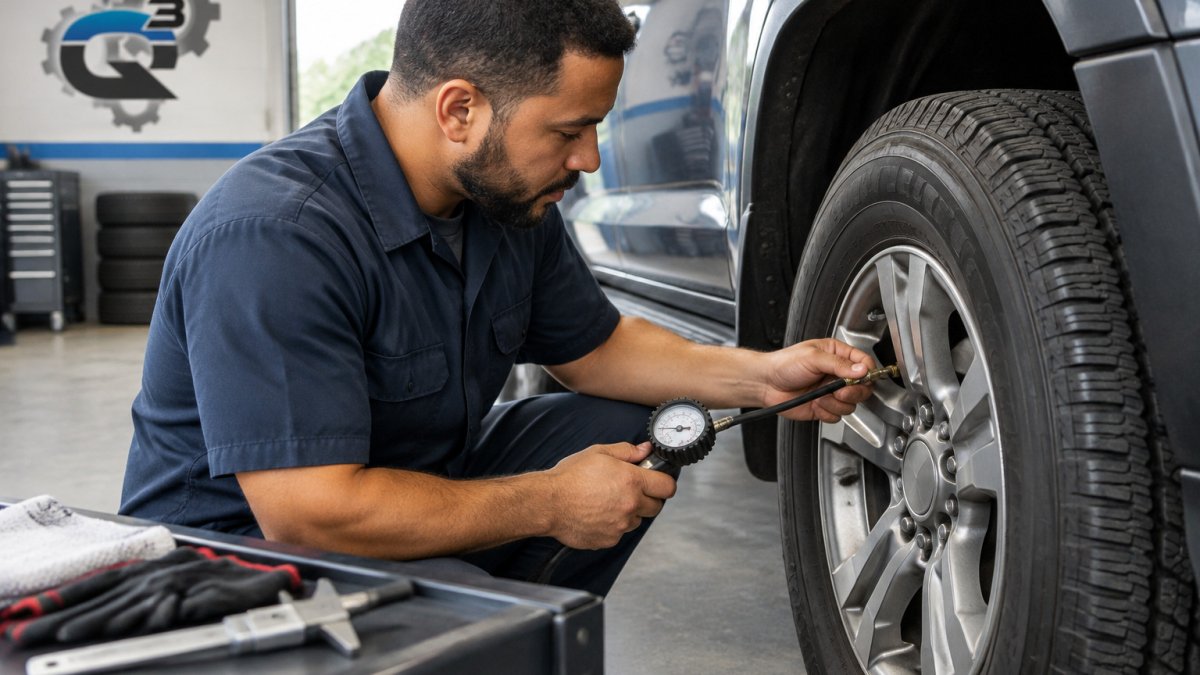
- Proper tire pressure, regular air filter replacement, and wheel alignment directly improve fuel efficiency
Table of Contents
- How Driving Style Affects Fuel Consumption
- How Speed Affects Gas Mileage
- Fuel-Efficient Driving Techniques That Work
- Idling Fuel Consumption and Engine Waste
- How to Improve Gas Mileage Through Daily Habits
- Vehicle Maintenance and Fuel Efficiency
- Measuring Your Progress
- Frequently Asked Questions
How Driving Style Affects Fuel Consumption
Understanding how driving style affects fuel consumption is key, since your driving habits directly control how much fuel your vehicle burns. Aggressive acceleration, excessive idling, and inconsistent speeds waste gas. Smooth, controlled driving saves money at the pump and extends your engine's life.
Small changes in how you drive deliver measurable savings without expensive repairs or upgrades.
This guide covers the driving techniques that reduce fuel consumption. You'll learn how speed, acceleration, and idle time affect your gas mileage. We'll show you practical habits you can start using today.
How Speed Affects Gas Mileage
Fuel economy is not a straight line as speed rises, it is a curve with a sweet spot. Below roughly 40-50 mph, most vehicles lose efficiency because the engine turns slowly, pumping losses are proportionally higher, and the transmission may not reach its tallest gear. Above roughly 50-60 mph, aerodynamic drag dominates and efficiency falls steadily. The U.S. Department of Energy's fueleconomy.gov explains the mechanism plainly: aerodynamic drag increases with the square of speed, so the power required to overcome it rises far faster than your speedometer does.
The practical result is that every 5 mph above roughly 50 mph costs somewhere in the neighborhood of 5-10% in fuel economy for many vehicles, with the penalty growing as speed climbs. A vehicle that returns 32 mpg at 55 mph may return closer to 26-27 mpg at 70 mph and under 25 mpg at 75 mph. The exact numbers vary by vehicle shape, gearing, and tire choice, but the direction is consistent.
| Speed | Relative fuel penalty vs. 55 mph | What is happening |
|---|---|---|
| 45-55 mph | Baseline to slightly better | Tallest gear engaged, drag still modest |
| 60 mph | Roughly 5-10% worse | Drag rising faster than speed |
| 70 mph | Roughly 15-25% worse | Drag dominates; engine load climbs |
| 75+ mph | 25%+ worse | Drag penalty compounds rapidly |
Two other speed-related factors matter as much as the number on the speedometer:
- Tire rolling resistance. Underinflation increases the energy lost to tire deformation. Check pressure monthly against the placard on the driver's door jamb, not the sidewall maximum, which is a limit, not a target.
- Speed consistency. A steady 65 mph usually beats alternating between 55 and 75 mph, because every acceleration event spends fuel to rebuild kinetic energy that braking then throws away. Cruise control helps on flat, open roads; on rolling terrain, many drivers do better letting speed vary slightly rather than having the system chase a setpoint uphill.
Key takeaways on speed and fuel economy:
- Most vehicles are most efficient in the 45-60 mph band
- Every 5 mph above roughly 50 mph typically costs 5-10% in economy
- Drag rises with the square of speed, so the penalty accelerates at highway speeds
- Steady speed beats variable speed at the same average
- Tire pressure and cruise-control use are free levers on the same trip
Fuel-Efficient Driving Techniques That Work
Smooth Acceleration and Deceleration
Jackrabbit starts and hard braking waste fuel. Smooth, gradual acceleration uses less energy and puts less stress on your engine. Anticipate stops and coast when possible instead of braking hard at the last moment.
Accelerate slowly from a stop. Reach your target speed over 10-15 seconds rather than 3-5 seconds. This simple change reduces fuel consumption and improves safety.
Avoid rapid deceleration. If you see a red light ahead, ease off the accelerator early. Let the car slow naturally before applying the brakes. This technique, called coasting, saves fuel and reduces brake wear.
Maintaining Consistent Speed
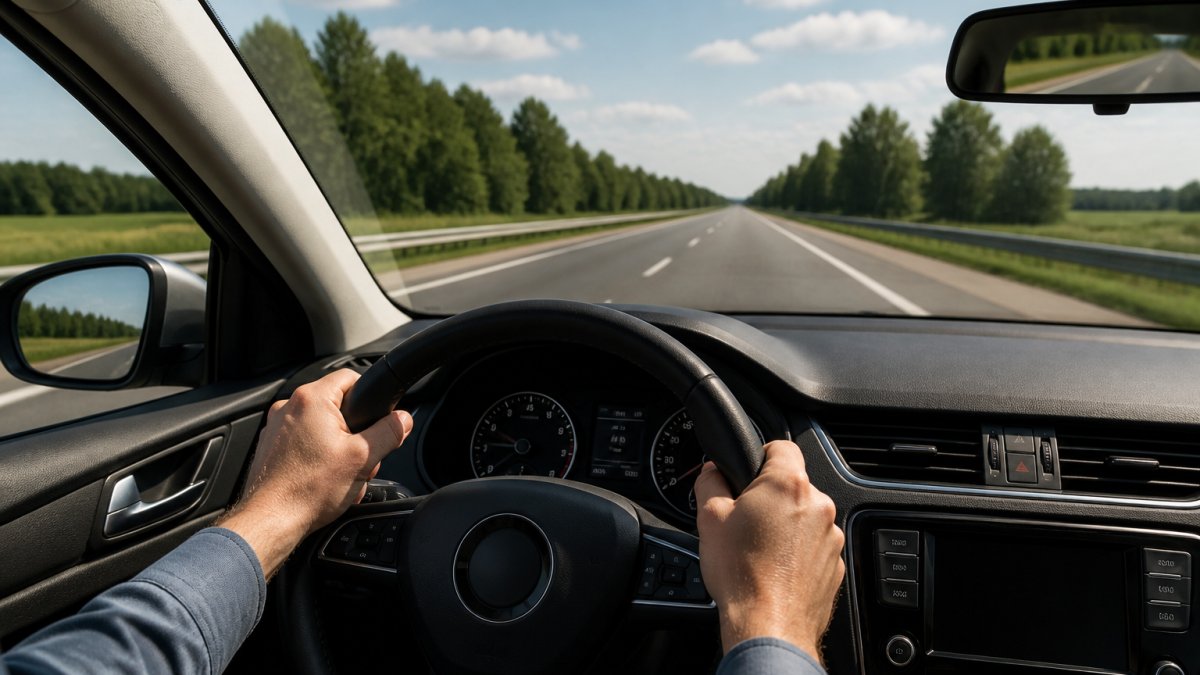
Constant speed burns less fuel than frequent speed changes. Highway driving at a steady 60 mph uses less fuel than alternating between 50 and 70 mph.
Use cruise control on flat, open roads. Cruise control maintains a steady speed without the small accelerations and decelerations that happen when you manually control the throttle. This is especially effective on long highway stretches.
Avoid stop-and-go traffic when possible. Plan your route to minimize traffic lights and congestion. If you have flexibility in your schedule, drive during off-peak hours when traffic flows smoothly.
Tips for maintaining consistent speed:
- Set cruise control 5-10 mph below the speed limit
- Avoid aggressive lane changes
- Stay in one lane when safe to do so
- Plan routes with fewer traffic lights
Idling Fuel Consumption and Engine Waste
Idling is the clearest case of fuel burned for zero miles traveled. A typical passenger-car engine at idle consumes roughly 0.2-0.5 gallons per hour depending on displacement and accessory load, a V8 truck at the top of that range, a small four-cylinder near the bottom. Over a winter of 15-minute warm-ups five days a week, that is on the order of 20-30 gallons burned going nowhere.
The mechanism matters more than the number. At idle, the engine is running rich relative to load, the catalytic converter is below its light-off temperature, and combustion is relatively incomplete. That combination does three things: it wastes fuel, it sends unburned hydrocarbons into the exhaust, and over time it loads the converter with soot and deposits that reduce its capacity. A driver who idles heavily for years can contribute to converter restriction without ever seeing a check-engine light until the damage is done.
When idling is defensible and when it is not:
- Cold starts in mild weather. Modern fuel-injected engines do not need a long warm-up. Start, wait a few seconds for oil pressure, and drive gently. The engine warms faster under light load than at idle, and the converter lights off sooner.
- Cold starts in extreme cold. Below roughly 0°F, a short idle of 30-60 seconds before driving is reasonable for oil circulation and defroster function. Beyond that, driving gently is still the better warm-up.
- Stopped in traffic or at a light. If the stop will last more than about 10 seconds and traffic is not about to move, shutting off saves fuel. Modern starters and batteries handle this; many vehicles do it automatically.
- Waiting in a drive-through or parking lot. This is pure waste. Park and walk in.
- Turbocharged or heavy-duty vehicles after hard work. A brief cool-down idle after towing or a hard pull is legitimate, it protects the turbocharger, but that is minutes, not a habit.
Idling scenarios to avoid:
- Warming up the car in the driveway for 10+ minutes
- Sitting in parking lots with the engine running
- Waiting in long drive-through lines
- Leaving the car running while loading or unloading
- Remote-starting "just to cool it down" on mild days
How to Improve Gas Mileage Through Daily Habits
Small daily choices add up to significant fuel savings. Remove unnecessary weight from your vehicle. Extra cargo, roof racks, and bike carriers increase drag and fuel consumption.
Check your fuel cap. A loose or missing cap lets fuel evaporate. A tight cap is a free fix that prevents waste.
Keep your engine properly tuned. Dirty air filters, fouled spark plugs, and worn fuel injectors reduce efficiency. Regular maintenance is one of the best investments you can make for fuel economy.
Combine trips into one journey. Multiple short trips burn more fuel than one longer trip because the engine runs cold and inefficiently on short drives. Plan your errands and run them all at once.
Reduce idling in traffic. Leave extra space between your car and the vehicle ahead. This lets you coast and accelerate smoothly instead of braking and accelerating repeatedly.
Vehicle Maintenance and Fuel Efficiency
Your vehicle's mechanical condition directly affects fuel consumption. Worn spark plugs, a clogged air filter, and low tire pressure all increase fuel use.
Replace your air filter every 12,000-15,000 miles or as recommended in your owner's manual. A clean air filter lets your engine breathe easily and run efficiently.
Keep your fuel system clean. Fuel injector deposits build up over time and reduce efficiency. Using quality fuel and periodic fuel system cleaning helps prevent this.
Have your wheel alignment checked. Misaligned wheels create drag and force your engine to work harder. Proper alignment improves handling and fuel economy.
Regular oil changes matter too. Fresh, clean oil reduces friction in your engine. Use the oil grade specified in your owner's manual, using heavier oil than recommended increases friction and fuel consumption.
Maintenance checklist for fuel efficiency:
- Replace air filter on schedule
- Change oil and filter as recommended
- Check and maintain tire pressure monthly
- Inspect spark plugs and replace as needed
- Keep fuel system clean
- Verify wheel alignment annually
Measuring Your Progress
Track your fuel consumption to see the impact of your driving changes. Calculate miles per gallon by dividing miles driven by gallons used. Record this number regularly to spot trends.
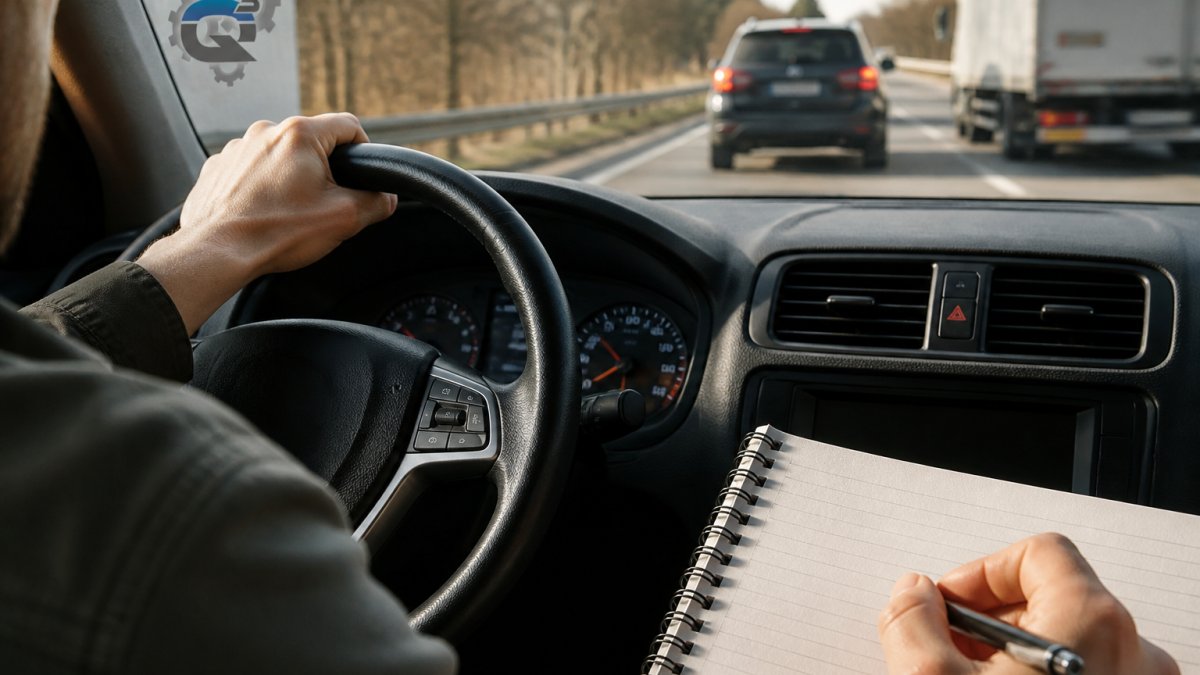
Most modern vehicles display real-time fuel economy on the dashboard. Use this feature to see how your driving style affects consumption moment by moment.
Keep a simple log. Note your miles per gallon weekly or monthly. After implementing new driving habits, you should see improvement within 2-4 weeks.
Compare your results to your vehicle's EPA rating. The EPA rating assumes a mix of city and highway driving. Your actual mileage depends on your driving conditions and habits.
Fuel consumption is one of the biggest expenses of vehicle ownership. How you drive controls a large portion of that cost.
Q3 Car & Truck Repair helps drivers optimize their vehicles for efficiency through regular maintenance and honest guidance. Our skilled technicians can identify mechanical issues that waste fuel.
Frequently Asked Questions
Does aggressive driving use more gas?
Yes. Aggressive driving, rapid acceleration, hard braking, and speeding, significantly increases fuel consumption. Hard acceleration forces your engine to work harder and burn more fuel. Frequent braking wastes the energy your vehicle already spent accelerating. Studies show aggressive drivers can use 15-30% more fuel than those who drive smoothly. Maintaining steady speeds and gradual acceleration is one of the most effective ways to improve gas mileage.
How does driving style affect fuel consumption?
Driving style directly impacts how efficiently your engine uses fuel. Smooth, steady acceleration and braking reduce fuel waste. High speeds increase aerodynamic drag, forcing your engine to work harder. Excessive idling burns fuel without moving the vehicle. Rapid gear changes and inconsistent speeds force your engine to constantly adjust, consuming more fuel. Adopting calm, predictable driving habits can improve fuel economy by 10-35% depending on road conditions and your vehicle type.
Does idling waste more fuel than restarting a car?
Modern vehicles use less fuel restarting than idling for more than 10 seconds. If you expect to stop for longer than that, at a red light, in traffic, or while waiting, turn off your engine. Idling consumes fuel without producing any forward motion, making it one of the most wasteful driving habits. Eliminating unnecessary idling can save you money and reduce emissions. However, avoid frequent stop-start cycles in heavy traffic, as restarting repeatedly can offset savings.
What driving habits improve fuel economy?
Smooth acceleration and braking, maintaining steady speeds, reducing idling time, and avoiding excessive highway speeds all improve fuel economy. Plan routes to minimize stop-and-go driving. Remove excess weight from your vehicle. Keep tires properly inflated, underinflated tires increase rolling resistance and fuel consumption. Combine errands into one trip rather than multiple short trips. Use cruise control on highways to maintain consistent speed. Regular maintenance, including engine tune-ups and air filter replacements, also supports better fuel efficiency.