 ultimate-guide
Benefits of Regular Oil Changes for Engine Longevity
Table of Contents
- Why Regular Oil Changes Protect Engine Health
- How Oil Maintains Thermal Stability and Heat Dissipation
- Recommended Oil Change Interval 2026: What Modern Engines Require
- Synthetic vs Conventional Oil for Engine Life: Which Extends Longevity
- Impact of Short Trips on Oil Life and Engine Wear
- Oil Changes and Fuel Efficiency: The Direct Connection
- Preventing Engine Seizure and Premature Wear Through Preventative Maintenance
- Common Oil Change Myths vs. Facts
- Frequently Asked Questions
Last Updated: September 17, 2026
Why Regular Oil Changes Protect Engine Health
The most common engine failures trace back to one preventable cause: neglected oil maintenance. Regular oil changes are the foundation of engine longevity, and understanding why matters more than simply following a maintenance schedule.
Oil lubricates moving parts and carries away contaminants and heat. As oil ages, viscosity breaks down, lubrication fails, and sludge accumulates, accelerating engine wear.
Lubrication and friction reduction
Fresh oil creates a protective film between engine components, preventing metal-to-metal contact and maintaining consistent viscosity that coats surfaces effectively.
Heat and combustion byproducts break down oil's molecular structure, reducing viscosity and the protective film. Friction increases, causing components to wear out prematurely.
Synthetic oil maintains viscosity across wider temperature ranges, protecting better in cold starts and high-heat conditions. Conventional oil suffices for older vehicles; synthetic is essential for modern turbocharged engines.
Removing engine sludge and contaminants
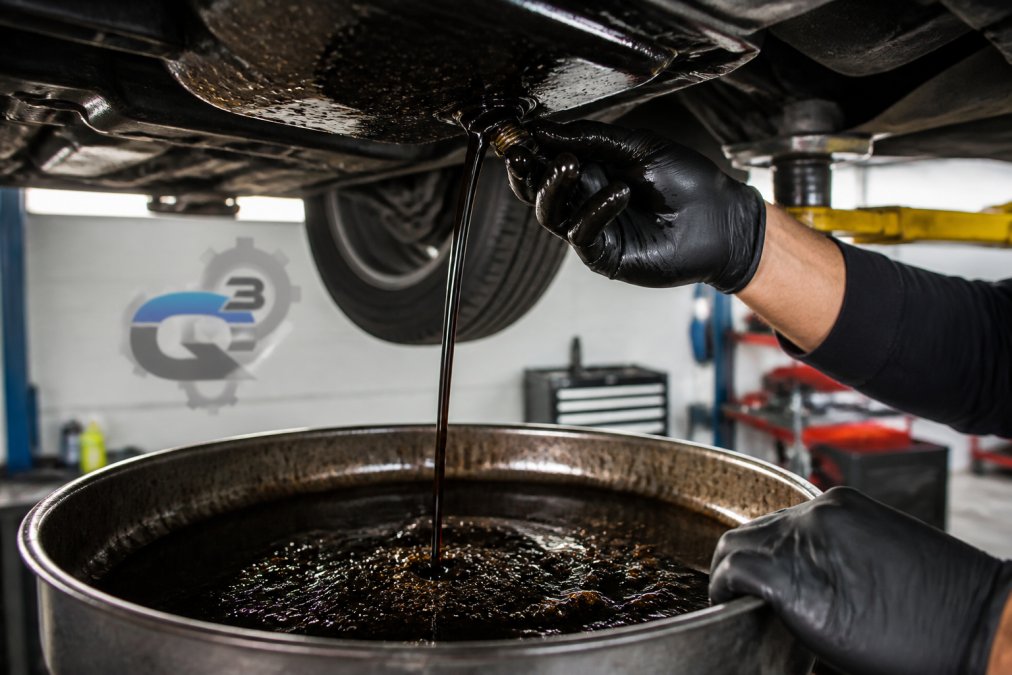
Every combustion cycle creates byproducts, carbon, water vapor, unburned fuel, and metal particles. Oil filters capture some, but remaining contaminants suspend in the oil.
Fresh oil contains detergents and dispersants that keep contaminants suspended. As oil ages, these additives deplete, allowing contaminants to coagulate into deposits that clog passages and starve bearings of lubrication.
This buildup accelerates wear dramatically, causing bearings to run dry and valve trains to seize, engine seizure that develops over thousands of miles of neglected maintenance.
How Oil Maintains Thermal Stability and Heat Dissipation
Combustion temperatures exceed 2,500 degrees Fahrenheit. Oil absorbs and carries heat away from critical components. Without adequate heat dissipation, components warp, gaskets fail, and thermal breakdown accelerates.
Oil's thermal stability, its resistance to oxidation and viscosity breakdown, determines heat absorption. Fresh oil handles this effectively; aged oil loses thermal stability as additives deplete, reducing heat absorption and raising engine temperatures.
Higher temperatures degrade oil faster, which transfers heat less effectively, raising temperatures further and causing component failure.
Modern engines demand higher thermal performance
Turbocharged engines produce exhaust temperatures exceeding 1,000 degrees Fahrenheit. Oil circulating near these components must maintain viscosity and thermal stability under conditions that overwhelm conventional formulations.
Direct-injection engines create higher combustion pressures and temperatures. Start-stop systems subject oil to rapid thermal cycling that accelerates oxidation and viscosity loss.
Modern engines require oils with superior thermal stability. Synthetic oils are often mandatory for turbocharged and direct-injection engines. Your owner's manual specifies the required viscosity grade and oil type based on thermal demands; deviating compromises thermal management.
The cost of thermal failure
When oil fails to dissipate heat, engine temperatures exceed design thresholds. Gaskets fail, oil seeps past them, and piston rings expand unevenly, causing blow-by that contaminates remaining oil faster.
Sustained overheating can warp the cylinder head or block, requiring engine replacement at a significant cost, far more than regular oil changes.
Regular oil changes with manufacturer-specified oil ensure optimal thermal stability, especially for turbocharged vehicles, frequent towing, or hot climates.
Recommended Oil Change Interval 2026: What Modern Engines Require
Modern engines can go 7,500-10,000 miles between oil changes, a significant increase from the older 3,000-mile standard.
Intervals depend on oil type and driving conditions. Synthetic extends intervals; conventional shortens them. Severe conditions, stop-and-go traffic, towing, and extreme temperatures reduce intervals.
Manufacturer guidelines and oil life monitoring systems
Your owner's manual specifies the definitive interval for your engine, engineered based on design, oil additives, and real-world testing.
Oil life monitoring systems track engine conditions and calculate remaining oil life. Follow the system's signal, not odometer readings.
Ignoring the monitoring system risks accelerated wear and engine damage; the system accounts for your specific driving conditions.
Stop-and-go driving, short trips, and idling degrade oil faster than highway driving. The monitoring system accounts for this; your intuition won't.
Synthetic vs Conventional Oil for Engine Life: Which Extends Longevity
Conventional oil is refined from crude petroleum, leaving varied hydrocarbon chains. Synthetic oil is chemically engineered with uniform molecular structures optimized for performance.
Synthetic oil outperforms conventional with better viscosity stability, superior oxidation resistance, enhanced detergent properties, and longer drain intervals, paying dividends in longevity and reduced maintenance.
Conventional oil is adequate for older engines. Modern turbocharged engines and those with tight tolerances require synthetic; using conventional voids warranties and risks premature wear.
Oxidation resistance and additive package performance
Oxidation breaks down oil molecules under heat and oxygen, reducing effectiveness. Synthetic oil resists oxidation far better, maintaining protective properties longer.
Additive packages determine oxidation resistance and contaminant suspension. Premium synthetics remain effective for 10,000+ miles; budget conventional oils lose effectiveness by 5,000 miles, directly impacting interval safety and engine protection.
Cost-benefit analysis: Synthetic vs. conventional over vehicle lifetime
Synthetic oil costs more per change but extends intervals by 40-100%. Over 150,000 miles, synthetic requires fewer changes versus conventional, making synthetic cost-competitive when factoring in fewer service visits and reduced engine damage risk.
DIY oil changes cost less but carry risks: improper drain plug installation, over-tightened filters, and fill-level errors can cause damage. Professional service includes multi-point inspection, proper torque, and warranty coverage.
Which oil type for your vehicle?
Your owner's manual specifies the required viscosity grade and oil type based on engine design and thermal demands. Using the wrong type voids warranty and risks premature wear.
Turbocharged and direct-injection engines require synthetic. Older vehicles often use conventional adequately. Synthetic blend offers a middle ground with better oxidation resistance than conventional but shorter intervals than full synthetic.
Impact of Short Trips on Oil Life and Engine Wear
Short trips under 10 miles prevent engines from reaching full operating temperature. Fuel and water vapor accumulate in oil, contaminating it and reducing effectiveness.
Urban commuters accumulate contaminants faster than highway drivers. Oil life monitoring systems factor this in, recommending more frequent service for short-trip driving.
Oil change intervals vary dramatically based on driving patterns. Ignoring this reality leads to premature wear.
Oil Changes and Fuel Efficiency: The Direct Connection
Fresh oil reduces friction, improving fuel efficiency. Degraded oil increases friction and fuel consumption by 5-10%. Regular oil changes pay for themselves through improved fuel economy.
Preventing Engine Seizure and Premature Wear Through Preventative Maintenance
Engine seizure results from prolonged lubrication failure, causing bearings to run dry and components to weld together. Seized engines require replacement at a significant cost, making preventative maintenance essential.
Regular oil changes are the cheapest insurance against seizure. A routine service prevents a costly catastrophe.
Cost of engine failure versus routine maintenance
An oil change costs modest amounts; engine replacement costs thousands plus downtime. Fleet managers prioritize preventative maintenance because downtime costs more than service. Consistent, timely oil changes always cost less over a vehicle's lifetime.
Common Oil Change Myths vs. Facts
Several myths persist about oil changes, and acting on them can damage your engine.
Myth: Change oil every 3,000 miles. Fact: Follow manufacturer recommendations and oil life monitoring systems. Myth: Synthetic lasts forever. Fact: It degrades; change every 7,500-10,000 miles. Myth: Switching types damages engines. Fact: Switching is fine; use manufacturer recommendations. Myth: Color indicates oil life. Fact: Darkening is normal; use monitoring systems instead. Myth: Premium brands perform dramatically better. Fact: All oils meeting specifications perform adequately.
| Myth | Reality | Why It Matters |
|---|---|---|
| Oil lasts forever | Oil degrades over time | Changing on schedule prevents wear |
| Color indicates oil life | Darkening is normal | Follow manufacturer intervals instead |
| All oils are identical | Viscosity and additives vary | Use the type your engine requires |
| Synthetic needs no changes | It still degrades | Follow recommended intervals |
| Skipping changes saves money | Failure costs far more | Preventative maintenance pays for itself |
Regular oil changes aren't glamorous, but they're the single most important maintenance task for engine longevity. At Q3 Car & Truck Repair, we've built our reputation on transparent guidance about what your vehicle actually needs. We recommend following your manufacturer's oil change interval precisely, using the oil type specified in your owner's manual, and paying attention to your oil life monitoring system. These three practices prevent the vast majority of premature engine wear. Request an appointment with our team to discuss your vehicle's specific maintenance needs and get a straightforward estimate for service.
Frequently Asked Questions
How often should I change my oil in 2026?
Most modern vehicles require oil changes every 7,500 to 10,000 miles, though some synthetic oil vehicles can go 15,000 miles or longer. Check your owner's manual or your vehicle's oil life monitoring system for the exact interval. Stop-and-go driving, towing, or frequent short trips may require more frequent changes because oil degrades faster under those conditions. Q3 Car & Truck Repair can review your driving patterns and recommend the right schedule for your specific vehicle.
What's the difference between synthetic and conventional oil for engine life?
Synthetic oil resists oxidation and thermal breakdown much better than conventional oil, maintaining its protective properties longer and reducing engine sludge buildup. Conventional oil breaks down faster in high-heat conditions and requires more frequent changes. Synthetic oil's superior additive package and viscosity stability mean better friction reduction, improved fuel efficiency, and extended engine longevity. While synthetic costs more upfront, many drivers see longer intervals and better engine protection, making it a worthwhile investment for engine life.
Does infrequent driving still require regular oil changes?
Yes. Even if you drive only 1,000 miles per year, oil accumulates combustion byproducts and moisture that cause oxidation and sludge formation. Sitting unused allows contaminants to settle and corrode engine components. Industry guidance recommends changing oil at least once per year, regardless of mileage, for vehicles driven infrequently. Short trips and stop-and-go driving are especially hard on oil because engines don't reach optimal operating temperature, allowing water and acids to linger in the oil.
Can skipping oil changes cause permanent engine damage?
Yes. Without regular oil changes, engine sludge and contaminants accumulate, reducing lubrication and increasing friction between moving parts. This leads to accelerated wear and tear, higher oil pressure issues, and eventually engine seizure. Once severe damage occurs, such as bearing wear or valve damage, the engine may require complete replacement, costing thousands of dollars. Preventative maintenance through regular oil changes is far cheaper than rebuilding or replacing an engine.