 listicle
Freestate Auto Alternatives for Commuters in 2026
Table of Contents
- Why Commuters Are Exploring Freestate Auto Alternatives for Commuters
- Quick Comparison: Top Commuter Alternatives for 2026
- Hybrid and Electric Vehicles: The Efficient Commuter Choice
- Micro-Mobility and Public Transit for Short Commutes
- Preventative Maintenance for Older Cars: Keeping Your Commuter Reliable
- Signs Your Car Needs Professional Maintenance Before a Breakdown
- How Q3 Car & Truck Repair Supports Commuters and Fleets
- Conclusion
- Frequently Asked Questions
Last Updated: September 10, 2026
Why Commuters Are Exploring Freestate Auto Alternatives for Commuters
Commuter costs keep climbing, and Freestate Auto alternatives for commuters matter because a broken-down commuter car turns a routine into an expensive crisis. At Q3 Car & Truck Repair, we see it weekly: a transmission gives out, a repair bill rivals a car payment, and there is no backup plan.
So commuters are hedging, mixing hybrids, transit passes, e-scooters, and rideshare into a strategy that keeps them moving without betting everything on one aging vehicle. Below: the strongest options for 2026, what each costs, and how to keep an older car running.
What most guides get wrong: switching away from a single car is not about abandoning driving. It is about reducing the risk that one failure wipes out your week.
Quick Comparison: Top Commuter Alternatives for 2026
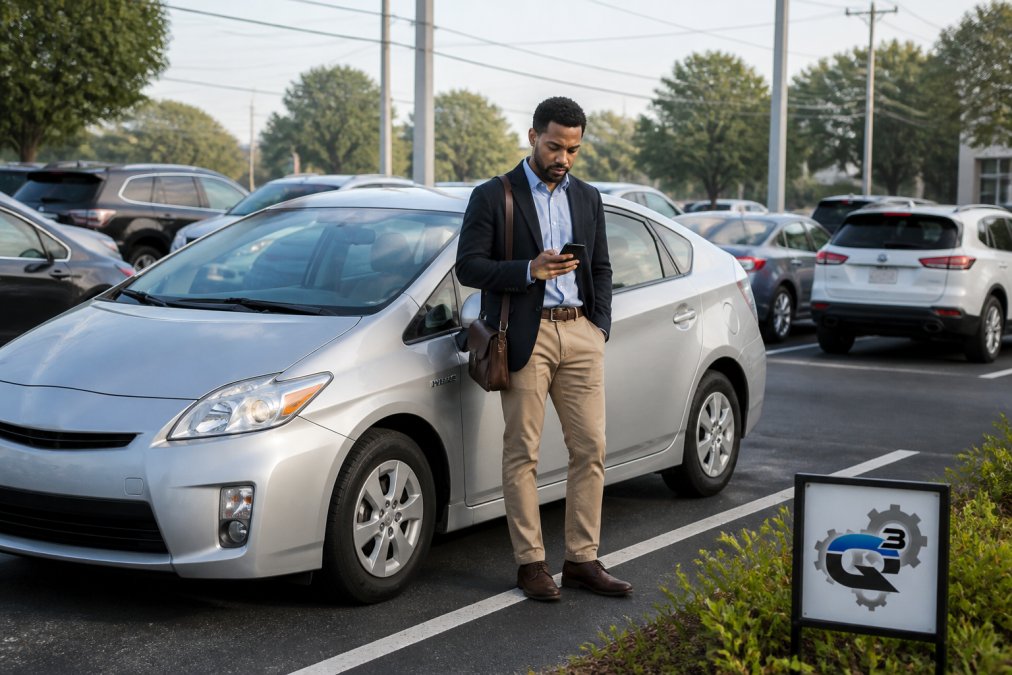
The best commuter alternative depends on your distance, budget, and tolerance for flexibility. Hybrids suit long highway drives; scooters and transit win on short urban trips; rideshare fills the gaps.
| Option | Upfront Cost | Best For | Main Trade-Off |
|---|---|---|---|
| Toyota Camry Hybrid | From $28,400 | Long highway commutes | Higher sticker than gas-only |
| Honda Accord Hybrid | From $32,895 | Comfort and cabin tech | Few physical infotainment buttons |
| Toyota RAV4 Prime | From $43,690 | Mixed electric and gas trips | Highest price here |
| Kia Sportage | From $27,190 | Space and ride height | Lower fuel economy |
| Hiboy Scooter | From $399 | Last-mile connectivity | Weather-dependent |
| Apollo Scooter | From $999 | Durable daily riding | Higher entry price |
| Public Transit | From $2.00 per ride | Cost and emissions | Less flexible scheduling |
| Uber / Lyft | Pay per ride | Occasional car access | Surge pricing |
For most commuters, a hybrid plus a transit pass covers the widest range of days at the lowest risk.
Hybrid and Electric Vehicles: The Efficient Commuter Choice
A hybrid or EV is still the most practical single-vehicle answer for commuters who need a car daily, but the real question is which powertrain fits your commute and what it costs per month after fuel, insurance, and maintenance.
Match the Powertrain to the Commute, Not the Brochure
The three powertrain types behave differently daily:
- Conventional hybrid (no plug): Engine and electric motor share the work, and the battery recharges from braking and engine output. No charging routine, no range anxiety. Best for long highway commutes and drivers without a garage outlet.
- Plug-in hybrid (PHEV): Short electric-only range for local trips plus a gas engine for longer hauls. Best if you plug in overnight and your round trip fits the electric range. If you never plug in, a PHEV often returns worse fuel economy than a conventional hybrid because you haul a heavier battery pack for nothing.
- Battery electric (EV): Lowest per-mile energy cost and least scheduled maintenance (no oil changes, no transmission service, regenerative braking stretches brake pad life). The catch is charging access: without home or work charging, you depend on public fast-charging, which is slower, less predictable, and often priced closer to gasoline per mile than people expect.
Rule of thumb: if your round trip is under roughly 40 miles and you can charge at home overnight, an EV or PHEV usually wins on total cost (fueleconomy.gov). If your commute is 60 miles of highway and you park on the street, a conventional hybrid is lower-risk.
The Models Commuters Actually Cross-Shop
The Toyota Camry Hybrid, from around $28,400, remains the default pick for long-distance commuters, with strong fuel economy and good resale value. The drawback is a higher upfront cost than a gas-only sedan.
The Honda Accord Hybrid, from about $32,895, trades a little economy for a smoother ride and roomier cabin, with standard Honda Sensing safety tech as a genuine plus on crowded highways. Our gripe: too many infotainment functions live in the touchscreen, which is distracting in traffic.
The Toyota RAV4 Prime, from roughly $43,690, offers electric-only range for short city trips and gas power for longer hauls, with standard all-wheel drive and brisk acceleration. The price is the catch, and the PHEV math only works if you actually plug it in.
The Kia Sportage, from about $27,190, offers space and a higher seating position for less money. Its driver-assistance suite is comprehensive. Fuel economy trails the hybrids, so it suits commuters who value comfort over mileage.
Run the Numbers Before You Sign
Sticker price is the least useful number here. Build a monthly cost model instead:
- Fuel or energy. Estimate monthly miles, divide by combined MPG (or MPGe for EVs), and multiply by the local price per gallon or kWh. Compare across all four candidates.
- Insurance. Hybrids and EVs often carry a modest premium over gas models due to battery repair costs. Get a real quote with your VIN, not a generic online estimate.
- Maintenance. EVs and hybrids skip oil changes and stretch brake life via regenerative braking, but tires wear faster on heavier EVs and hybrid battery replacement is a real long-term cost. Budget a reserve either way.
- Incentives and tax credits. Federal clean-vehicle credits and state or utility rebates change frequently and carry income and assembly-location rules (irs.gov). Check current rules at purchase, not last year's guidance.
- Resale. Hybrids from major brands have held value well; niche EVs depreciate faster. If you trade every few years, this can outweigh years of fuel savings.
Micro-Mobility and Public Transit for Short Commutes
For trips under a few miles, micro-mobility and transit beat any car on cost, and a scooter plus a train pass can replace a second vehicle entirely. But two questions decide whether that plan survives a real workweek: Is it safe at the hours I actually travel? And will my employer help pay for it?
Electric Scooters: Hiboy and Apollo
Hiboy scooters, from near $399, are the value play for last-mile connectivity, folding for easy storage with LED lighting for visibility. Range is limited and rain stops the plan, so treat them as a fair-weather tool.
Apollo scooters, from about $999, cost more but last longer, with advanced suspension for rough pavement, regenerative braking for range, and app-based security against theft. For long-term car replacement, the durability justifies the price.
Public Transit and Ride-Hailing
Public transit remains the most cost-effective option, with fares from around $2.00 per ride depending on region and monthly passes for frequent riders. Reduced emissions and less congestion are real benefits; the trade-off is fixed schedules that rarely match a flexible workday.
Uber and Lyft fill the gaps with on-demand rides, in-app payment, and safety features like ride tracking. The problem is surge pricing, which spikes during peak commuting hours and blows up a monthly budget fast.
Safety and Security for Solo and Off-Peak Commuters
This is the part of car-free commuting that gets glossed over, and the reason many abandon the plan after a few weeks. If you ride transit, bike, or scooter alone at night or off-peak, build a routine:
- Plan the last leg first. Know exactly how you get from the station or bike rack to your door before you leave in the morning. An unplanned 15-minute walk in the dark is where most people decide the whole experiment is not worth it.
- Use transit agency safety tools. Most major systems offer a text-a-tip line, in-app reporting, and designated waiting areas or "request stop" programs for late-night buses. Look yours up and save the number in your phone.
- Ride visible. Reflective gear, a front and rear light on any scooter or bike, and bright outer layers matter more than speed. Assume drivers cannot see you and ride accordingly.
- Secure the hardware. A folding scooter or bike is a theft target. Use a quality U-lock through the frame and a wheel, not a cable lock, and bring the scooter inside at work if your employer allows it.
- Share your route. A simple text to a partner or roommate with your expected arrival time costs nothing and creates a check-in habit.
- Have a bailout plan. Keep a rideshare app funded and a small emergency balance for the nights weather, a missed connection, or a mechanical problem turns a 30-minute trip into a 90-minute one.
Scooters and bikes are far more exposed than a car in a crash. A helmet is not optional, and riding against traffic or on sidewalks in busy areas is a common cause of avoidable collisions. Check your local rules on where scooters are permitted before you buy.
Employer-Sponsored Commuter Benefits
This is the highest-leverage move most commuters never make. Many employers offer a commuter benefit program, and under federal tax rules you can typically set aside pre-tax dollars from your paycheck for transit passes and vanpool costs, up to a monthly cap that adjusts with inflation (irs.gov). That means the money comes out before income and payroll taxes, so a $100 transit pass effectively costs you less than $100.
Qualified parking is often covered under a separate pre-tax bucket, which matters if you drive part of the week and park at a station. Some employers go further and subsidize the benefit directly, match a portion of transit costs, or run a bike-to-work reimbursement program.
How to ask for it:
- Check your benefits portal first. Search for "commuter," "transit," or "parking" in your HR system before you assume it does not exist.
- Email HR with a specific ask. Name the benefit (pre-tax transit or vanpool deduction), cite that it is a common offering, and ask whether your company participates or would consider adding it.
- Bundle the pitch. Point out that a commuter benefit is low-cost or no-cost to the employer, improves retention, and reduces parking demand, the arguments that actually move a benefits committee.
- If you manage a team, push for it. A pre-tax commuter program is one of the cheapest retention tools available, and it pairs naturally with flexible or hybrid schedules.
The strongest car-light commuter plan is not a single mode, it is a stack: transit for the base trip, a scooter or bike for the last mile, a rideshare account for emergencies, and a pre-tax commuter benefit to cut the real cost of all three. Build the stack, then stress-test it against your worst commute day, not your best one.
Preventative Maintenance for Older Cars: Keeping Your Commuter Reliable
If you are keeping your current car, preventative maintenance for older cars is the single best way to avoid a roadside breakdown. Small, scheduled services cost far less than emergency repairs.
A practical older-car routine looks like this:
- Change engine oil and filter on the manufacturer's interval
- Check transmission fluid level and color every few months
- Inspect belts, hoses, and coolant before seasonal temperature swings
- Rotate tires and check pressure monthly
- Test the battery and charging system before winter
- Replace worn brake pads before they score the rotors
A common mistake is skipping transmission service because the car "still drives fine." Transmission fluid degrades quietly, and by the time shifting feels wrong, the damage is often done. Deal with it early.
Keep a simple maintenance log in your glovebox or phone. When you can show a shop the last service date and mileage, you get faster, more accurate diagnostics and fewer surprise recommendations.
Signs Your Car Needs Professional Maintenance Before a Breakdown
Signs your car needs professional maintenance usually show up before a breakdown, not during one. Catching them early is the difference between a scheduled appointment and an emergency tow.
Watch for these warning signs:
- Dashboard warning lights that stay on after startup
- New noises: grinding, clicking, or whining under acceleration
- Vibrations through the steering wheel or brake pedal
- Fluid spots or puddles under the vehicle
- A burning smell, especially after driving
- Rough idling, stalling, or a sudden drop in fuel economy
Any one of these deserves a professional look. Ignoring a grinding brake or a slipping transmission rarely saves money; it usually multiplies the repair.
How Q3 Car & Truck Repair Supports Commuters and Fleets
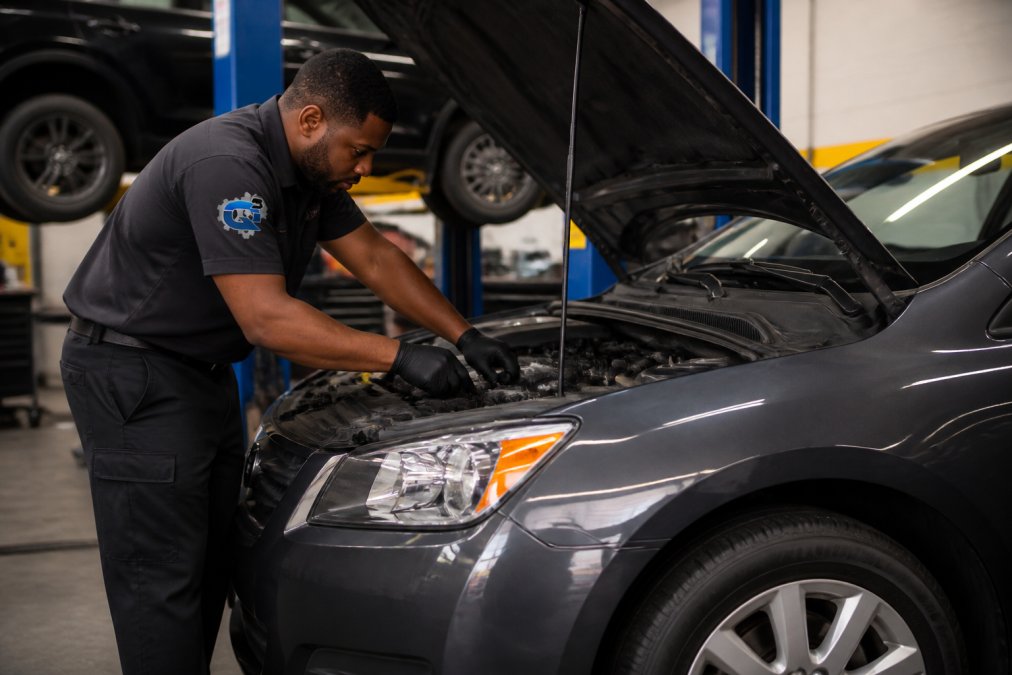
Q3 Car & Truck Repair provides premium automotive maintenance and repair for car and truck owners in the Capitol Heights and Waldorf areas. The focus is straightforward: expert workmanship, transparent estimates, and clear explanations so you understand every repair before it happens.
For commuters, that transparency matters. You get a straightforward estimate and a walkthrough of why a repair is necessary, not pressure to approve work you do not understand. For local business owners managing a small fleet, that consistency means vehicles stay on the road instead of sitting in the shop.
Whether you drive an older commuter with quirks or a work truck that runs all day, the approach is the same: honest guidance, skilled technicians, and quality workmanship. When your daily driver is your livelihood, that reliability is the whole point.
Conclusion
Keeping a commuter on the road, or choosing the right alternative, comes down to planning ahead instead of reacting to a breakdown. Q3 Car & Truck Repair helps with transparent estimates, skilled technicians, and clear explanations of every repair, whether you drive one car or manage a fleet. Request an appointment today and keep your commute moving.
Frequently Asked Questions
What are the best auto repair alternatives for daily commuters?
For daily commuters, the best alternatives depend on your budget and distance. Hybrid vehicles like the Toyota Camry Hybrid offer fuel savings, while electric scooters from Hiboy or Apollo provide last-mile connectivity. Public transit and ride-hailing with Uber or Lyft eliminate ownership costs. For maintenance, independent shops like Q3 Car & Truck Repair offer transparent estimates and expert care for high-mileage commuter vehicles, helping you avoid dealership markups.
How do I find a reliable mechanic for high-mileage commuter vehicles?
Look for shops with certified technicians, transparent pricing, and experience with older cars. Q3 Car & Truck Repair in Capitol Heights and Waldorf specializes in preventative maintenance for older cars and fleet services. Ask about their diagnostic process, warranty on repairs, and whether they provide written estimates before work begins. Reading customer reviews and checking for ASE certification also helps ensure quality.
What preventative maintenance is essential for cars used for long commutes?
For long commutes, prioritize oil changes every 5,000 to 7,500 miles, brake inspections, tire rotations, and fluid checks. Older cars need timing belt and coolant system reviews. Q3 Car & Truck Repair can create a maintenance schedule based on your mileage and driving conditions. Regular checkups prevent breakdowns, improve fuel economy, and extend your vehicle's life, saving you money on costly emergency repairs.
Is it better to use a dealership or an independent shop for commuter car repairs?
Independent shops like Q3 Car & Truck Repair often provide more personalized service and competitive pricing than dealerships. They specialize in both cars and trucks, including diesel maintenance and transmission services. Dealerships may have higher labor rates and push unnecessary repairs. Independent shops build long-term relationships, offer transparent estimates, and can handle fleet maintenance for small businesses, making them ideal for commuters.
What should I look for in a local auto repair shop near Capitol Heights?
Seek a shop with certified technicians, clear communication, and weekend availability for working professionals. Q3 Car & Truck Repair serves Capitol Heights and Waldorf with honest estimates, fleet services, and expertise in older vehicles. Check for ASE certification, warranties, and customer testimonials. A trustworthy shop will explain repairs before starting, offer fair pricing, and ensure your commuter car stays reliable for daily drives.