 ultimate-guide
Small Fleet Maintenance Service Tips: 2026 Guide
Table of Contents
- Why Small Fleet Maintenance Matters
- Building a Preventative Maintenance Checklist for Trucks
- How to Reduce Fleet Repair Costs Through Proactive Maintenance
- Fleet Vehicle Maintenance Software Benefits
- Creating Your Fleet Maintenance Policy
- Common Mistakes to Avoid in Fleet Maintenance
- Getting Started: Your Action Plan
- Conclusion
Last Updated: August 24, 2026
Why Small Fleet Maintenance Matters
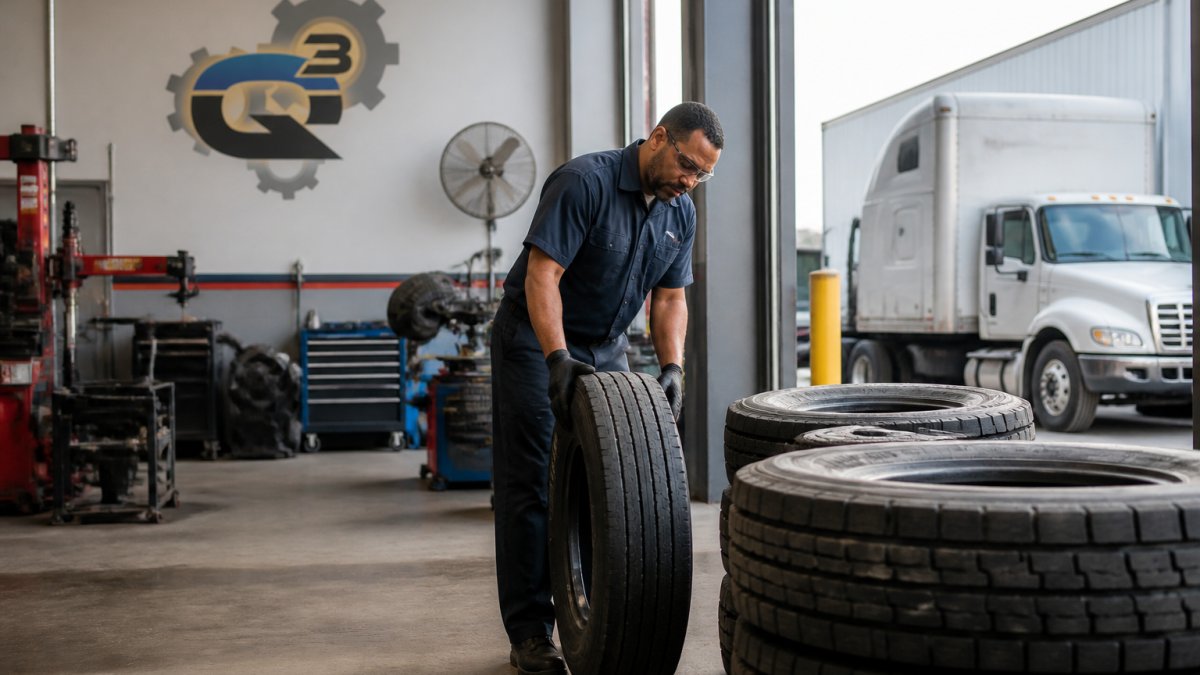
A single breakdown costs more than preventive care ever will. When your truck stops running, your business stops too. For small fleet operators, that means lost revenue, frustrated customers, and repair bills that could have been avoided with basic upkeep.
Small fleet maintenance controls costs, reduces downtime, and builds a reputation for reliability. The difference between a fleet that operates smoothly and one that's constantly in crisis comes down to whether maintenance happens on a schedule or by emergency.
At Q3 Car & Truck Repair, we've worked with small business owners managing fleets. The ones who thrive treat maintenance like a business expense, not a luxury. They know that a $200 oil change prevents a $5,000 engine rebuild.
This guide walks you through small fleet maintenance service tips that actually work. You'll learn how to build a preventative maintenance checklist, reduce repair costs, and avoid the mistakes that drain both time and money from small operations.
Building a Preventative Maintenance Checklist for Trucks
Preventive maintenance is the foundation of fleet uptime. It's the difference between planning a service visit and being stranded on the highway at 2 a.m.
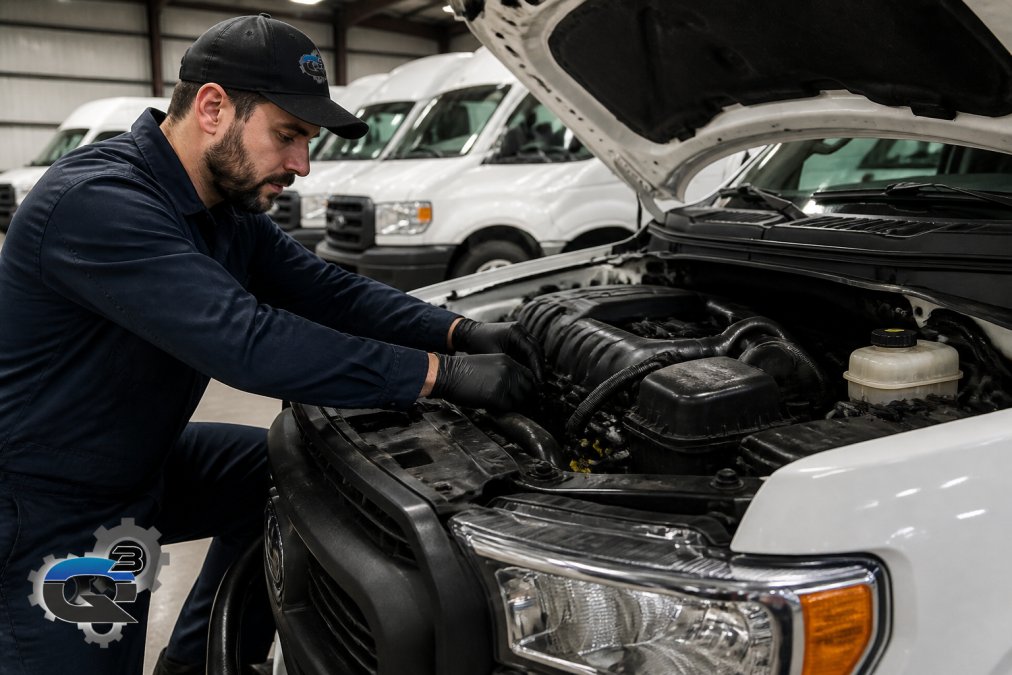
A solid preventative maintenance checklist for trucks starts with the basics: oil, filters, belts, hoses, brakes, and tires. These components fail most often and cause the most expensive downtime. When you address them on schedule, you catch problems before they become catastrophic.
The key is consistency. A maintenance checklist only works if you actually use it. That means assigning someone to track it, recording what gets done, and following the manufacturer's service intervals.
Daily Driver Vehicle Inspection Checklists
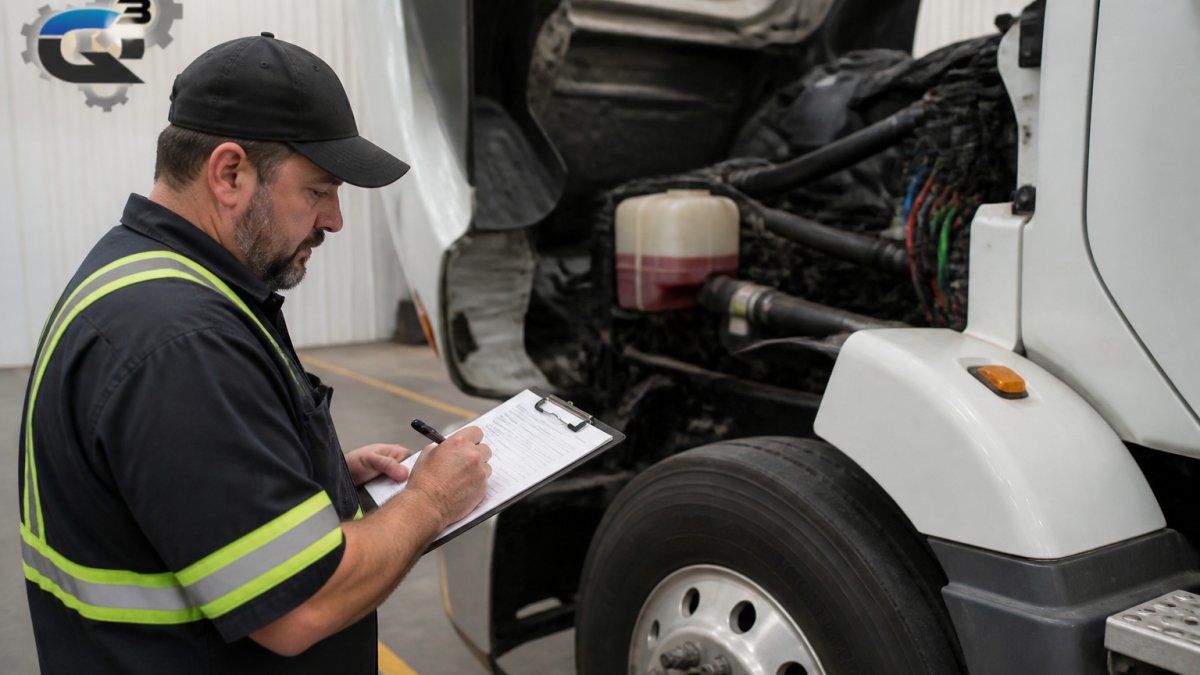
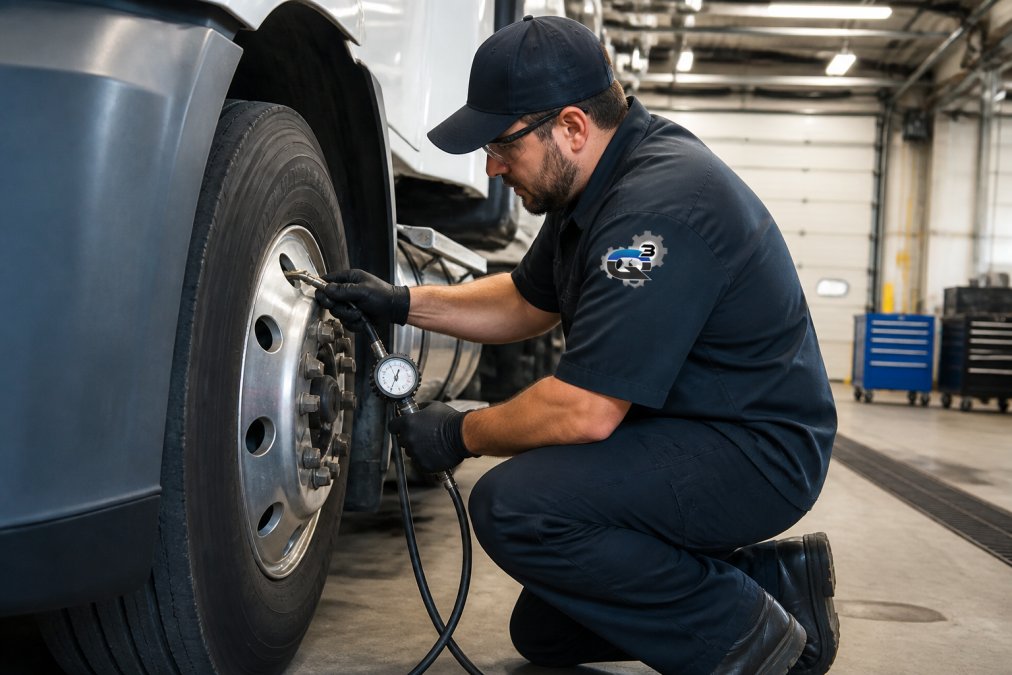
Your drivers should perform a basic vehicle inspection before every shift. This is called a Driver Vehicle Inspection Report (DVIR) and it's one of the simplest ways to catch problems early.
A daily DVIR takes five minutes. Drivers check tire pressure and tread depth, brake responsiveness, fluid levels (oil, coolant, windshield washer), lights and wipers, and any unusual sounds or warning lights.
When drivers report issues immediately, you can address them before they become safety hazards or expensive repairs. A driver who ignores a soft brake pedal today could cause an accident tomorrow. A driver who reports it gets a brake inspection instead of a liability claim.
Document every DVIR and keep records for at least three years (fmcsa.dot.gov). These records prove you're maintaining your fleet responsibly and protect you if an accident occurs. They also show patterns, if one truck keeps failing inspections, you know it needs serious attention.
Service Intervals and Scheduled Servicing
Manufacturer service intervals exist for a reason. They're based on engineering data about when components wear out. Ignoring them is like ignoring a doctor's advice about when to get a checkup.
Most trucks need oil and filter changes every 5,000 to 7,500 miles, tire rotations every 7,500 to 10,000 miles, brake inspections every 12,000 miles or annually, transmission fluid checks every 15,000 to 30,000 miles, and coolant flushes every 30,000 to 50,000 miles (nhtsa.gov).
Check your owner's manual or ask a trusted technician for exact intervals. Then create a schedule and stick to it. Track mileage carefully using spreadsheets, phone reminders, or fleet management software that sends automatic alerts. What matters is consistency, nothing falls through the cracks.
How to Reduce Fleet Repair Costs Through Proactive Maintenance
The cheapest repair is the one you never have to make. Proactive maintenance cuts repair costs by preventing breakdowns before they happen.
A preventive oil change costs less than an engine rebuild. Every dollar spent on routine maintenance saves you multiple dollars in emergency repairs. A worn brake pad caught during routine inspection costs less to replace than a brake system failure that leaves you stranded, which also incurs lost revenue from downtime.
Preventive vs. Reactive Maintenance Strategies
Preventive maintenance means servicing your fleet on a schedule, whether something appears broken or not. Reactive maintenance means waiting until something breaks, then fixing it.
Reactive maintenance is expensive. When a truck breaks down unexpectedly, you're paying for emergency service calls, towing, rush repairs, and lost productivity. Your driver is stuck and your customer isn't getting served.
Preventive maintenance costs more upfront but saves money overall. You control when service happens and can schedule it during downtime, not peak business hours. You can batch repairs across multiple vehicles to negotiate better rates with your technician.
The best approach combines both: use preventive maintenance as your baseline and follow the schedule religiously. Then stay alert for warning signs between scheduled services. If a driver reports a noise or warning light, investigate immediately.
Budgeting for Unexpected Repairs
Even with perfect preventive maintenance, unexpected repairs happen. A driver hits a pothole and damages a wheel. A component fails earlier than expected. A hose ruptures from age or heat stress.
Budget for these surprises. Many small fleet operators set aside 10 to 15 percent of their annual maintenance budget as a contingency (sba.gov). If you plan to spend $5,000 on preventive maintenance this year, budget an additional $750 to $1,200 for emergencies.
Track what actually breaks. After a year or two, you'll see patterns that help you forecast future costs more accurately and decide whether to repair or replace aging vehicles.
Keep relationships with reliable technicians. When an emergency happens, you want someone you trust who will work quickly and fairly. Q3 Car & Truck Repair handles emergency repairs for small fleet operators because we understand that downtime is lost revenue.
Fleet Vehicle Maintenance Software Benefits
Fleet management software automates the work of tracking maintenance. It replaces spreadsheets and phone reminders with systems that send alerts, store records, and generate reports.
The benefits are real. Software reduces the mental load of remembering when each truck needs service. It centralizes maintenance records so you can access them from anywhere. It helps you track costs and identify which vehicles are most expensive to maintain. For small fleets, this visibility often reveals opportunities to cut costs.
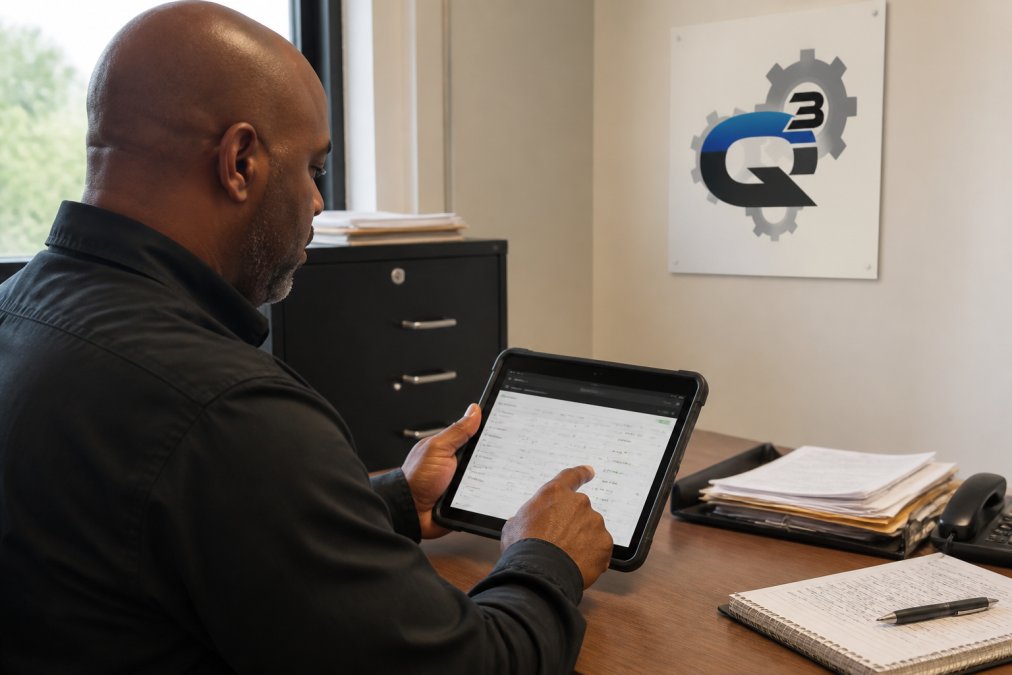
Automated Scheduling and Work Order Management
The most valuable feature of fleet management software is automated scheduling. You set service intervals once, and the system reminds you when each truck is due.
This eliminates guesswork. The system tracks mileage, hours, or days since last service and alerts you automatically. Work order management keeps repairs organized. When a vehicle needs service, the software creates a work order with all the details: what needs to be done, which truck, estimated cost, and priority level. Technicians can access work orders on mobile devices, update them as they work, and mark jobs complete. You get real-time visibility into what's being repaired and how long it takes.
This efficiency matters for small fleets. When you're managing five trucks with one person, automation saves hours every week.
Compliance and Asset Tracking
Fleet software maintains compliance records automatically. Every service is logged with the date, mileage, cost, and technician notes. These records prove you're maintaining your fleet responsibly.
Compliance matters if you're audited or if an accident occurs. Insurance companies want to see that you're following maintenance schedules. Good records protect you legally and financially.
Asset tracking features help you know where every vehicle is at any moment. GPS integration shows real-time location. You can see which trucks are in use, which are idle, and which are in the shop. This visibility helps you optimize fleet use and plan maintenance around your business needs.
Creating Your Fleet Maintenance Policy
A maintenance policy is a written document that describes how your fleet will be maintained. It covers who's responsible for what, how often service happens, what records are kept, and how costs are managed.
Your policy should address service intervals and schedules, who performs maintenance (in-house, outsourced, or both), how maintenance is tracked and documented, how drivers report problems, how emergency repairs are handled, budget allocation and cost controls, and compliance requirements and record retention.
Write it down and share it with your team. Update it as your fleet changes or as you learn what works.
DIY vs. Outsourced Maintenance: What Works for Small Fleets
Some small fleet operators perform basic maintenance in-house. Others outsource everything. Most do a combination of both.
In-house maintenance makes sense for simple tasks: oil changes, filter replacements, tire rotations, and fluid checks. If you have a mechanic on staff or a driver with mechanical skills, these jobs save money.
In-house maintenance gets complicated for complex repairs. Transmission rebuilds, engine diagnostics, and electrical system repairs require specialized training, tools, and parts. Attempting them without expertise often makes problems worse and costs more to fix.
The best approach for most small fleets is hybrid: handle routine maintenance in-house or with a trusted local shop, and outsource complex repairs to specialists. Q3 Car & Truck Repair works with small fleet operators who follow this model. We handle everything from routine oil changes to complex engine and transmission work, letting you focus on running your business instead of managing vehicle repairs.
Regulatory Compliance Documentation
Your fleet maintenance records are legal documents. They prove you're maintaining vehicles safely and following regulations.
Keep records for at least three years. Include the date and mileage of every service, description of work performed, parts replaced, technician name and signature, cost of service, and any repairs recommended but not performed.
Store records securely and back them up. Digital records are easier to organize and retrieve than paper files. Many fleet management software platforms store records in the cloud, accessible from anywhere.
Compliance documentation becomes critical if an accident occurs or if you're audited. Good records show you were maintaining your fleet responsibly.
Common Mistakes to Avoid in Fleet Maintenance
Small fleet operators often make the same mistakes repeatedly. Learning from them saves time and money.
Delaying routine maintenance: Skipping an oil change to save money today can lead to more expensive engine repairs later.
Ignoring driver reports: When a driver says something sounds wrong, investigate immediately. Drivers spend more time in vehicles than anyone else and notice problems early.
Keeping poor records: Maintenance only counts if you document it. Undocumented service doesn't exist from a legal or compliance perspective.
Using the cheapest parts: Cheap parts fail faster and cause more expensive secondary damage. Invest in quality components from reputable suppliers.
Skipping inspections: An annual safety inspection catches problems before they become dangerous or expensive.
Not planning for growth: As your fleet grows, your maintenance process needs to grow too. Plan ahead and implement systems that scale.
Getting Started: Your Action Plan
Start small. You don't need a complex system to maintain a small fleet effectively.
Month 1: Audit your current fleet. Document every vehicle: make, model, year, mileage, and service history. Identify gaps in maintenance records and determine what's been done and what's overdue.
Month 2: Create a maintenance schedule. Get the service intervals from each vehicle's manual. Create a simple spreadsheet or use fleet management software to track when each vehicle is due for service. Schedule overdue services immediately.
Month 3: Implement daily inspections. Train drivers to perform basic DVIR checks. Create a simple form or use a mobile app. Review reports daily and address issues promptly.
Month 4: Establish relationships with technicians. Find a trusted shop for routine maintenance and repairs. Communicate your maintenance philosophy and build a partnership.
Month 5: Document everything. Create a filing system for maintenance records. Store digital copies in the cloud and establish a retention policy (three years minimum).
Month 6: Review and adjust. After six months, analyze what's working and what isn't. Use this data to refine your approach.
Small fleet maintenance isn't complicated, but it requires consistency. The businesses that succeed treat maintenance as a non-negotiable business expense, not an optional cost to minimize. When you prioritize preventive maintenance, you reduce downtime, control costs, and build a fleet that runs reliably.
Q3 Car & Truck Repair works with small fleet operators who understand this. We provide transparent, honest service backed by skilled technicians who know how to keep trucks running. Whether you need routine maintenance, emergency repairs, or help developing a maintenance strategy for your fleet, we're here to support your business. Request an appointment today and let's talk about how to keep your fleet operating at peak efficiency.
=== FAQ ANSWERS (audit these too, same rules) ===
[1] Q: What is the 30-60-90 rule for vehicle maintenance? A: The 30-60-90 rule is a preventive maintenance framework where you perform different levels of inspection and service at 30,000, 60,000, and 90,000 miles. At 30,000 miles, inspect fluid levels and filters. At 60,000 miles, replace air and cabin filters and check brake pads. At 90,000 miles, perform transmission fluid checks and more comprehensive diagnostics. Following this schedule helps catch issues early, reducing unexpected downtime and repair costs for small fleet maintenance.
[2] Q: How often should small fleet vehicles undergo preventative maintenance? A: Small fleet vehicles typically need preventative maintenance every 3 to 6 months or every 3,000 to 5,000 miles, whichever comes first. This includes oil changes, fluid level checks, tire rotations, and brake inspections. Vehicles used more heavily may need service more frequently. A preventative maintenance checklist for trucks should be tailored to your specific fleet's usage patterns and manufacturer recommendations to minimize downtime and extend vehicle lifespan.
[3] Q: What are the most important fleet maintenance best practices? A: Key best practices include maintaining detailed maintenance logs, scheduling inspections regularly, replacing fluids on time, monitoring tire condition and pressure, and addressing repairs promptly. Use a proactive maintenance strategy rather than waiting for breakdowns. Document all work performed and keep records for compliance. Train drivers to report issues early through daily vehicle inspection reports. These practices reduce operational costs and improve fleet uptime significantly.
[4] Q: How can small businesses reduce fleet downtime? A: Reduce fleet downtime by implementing predictive maintenance based on vehicle diagnostics, scheduling service appointments during off-peak hours, maintaining an inventory of common replacement parts, and prioritizing repairs by urgency. Fleet management software automates scheduling and tracks maintenance history, preventing missed service intervals. Establish relationships with reliable service providers who can accommodate your schedule and keep vehicles running longer between major repairs.
[5] Q: What should a preventative maintenance checklist for trucks include? A: A comprehensive preventative maintenance checklist for trucks should cover engine oil and filter changes, tire pressure monitoring and rotation, brake system inspection, fluid levels (coolant, transmission, power steering), battery condition, wiper blades, lights, and suspension components. Include driver vehicle inspection report (DVIR) items that drivers can check daily. Schedule more detailed inspections at service intervals based on mileage or time. Document everything in your maintenance log for compliance and cost tracking.
[6] Q: How does fleet vehicle maintenance software help reduce repair costs? A: Fleet vehicle maintenance software automates service scheduling, sends reminders before maintenance is due, and tracks repair history to identify recurring issues. This prevents costly emergency repairs by catching problems early through predictive maintenance. Software helps optimize service intervals, reduces duplicate or unnecessary work, and centralizes documentation for better decision-making. By maintaining consistent preventative maintenance practices, you extend vehicle lifespan and lower your total cost of ownership significantly.
Frequently Asked Questions
What is the 30-60-90 rule for vehicle maintenance?
The 30-60-90 rule is a preventive maintenance framework where you perform different levels of inspection and service at 30,000, 60,000, and 90,000 miles. At 30,000 miles, inspect fluid levels and filters. At 60,000 miles, replace air and cabin filters and check brake pads. At 90,000 miles, perform transmission fluid checks and more comprehensive diagnostics. Following this schedule helps catch issues early, reducing unexpected downtime and repair costs for small fleet maintenance.
How often should small fleet vehicles undergo preventative maintenance?
Small fleet vehicles typically need preventative maintenance every 3 to 6 months or every 3,000 to 5,000 miles, whichever comes first. This includes oil changes, fluid level checks, tire rotations, and brake inspections. Vehicles used more heavily may need service more frequently. A preventative maintenance checklist for trucks should be tailored to your specific fleet's usage patterns and manufacturer recommendations to minimize downtime and extend vehicle lifespan.
What are the most important fleet maintenance best practices?
Key best practices include maintaining detailed maintenance logs, scheduling inspections regularly, replacing fluids on time, monitoring tire condition and pressure, and addressing repairs promptly. Use a proactive maintenance strategy rather than waiting for breakdowns. Document all work performed and keep records for compliance. Train drivers to report issues early through daily vehicle inspection reports. These practices reduce operational costs and improve fleet uptime significantly.
How can small businesses reduce fleet downtime?
Reduce fleet downtime by implementing predictive maintenance based on vehicle diagnostics, scheduling service appointments during off-peak hours, maintaining an inventory of common replacement parts, and prioritizing repairs by urgency. Fleet management software automates scheduling and tracks maintenance history, preventing missed service intervals. Establish relationships with reliable service providers who can accommodate your schedule and keep vehicles running longer between major repairs.
What should a preventative maintenance checklist for trucks include?
A comprehensive preventative maintenance checklist for trucks should cover engine oil and filter changes, tire pressure monitoring and rotation, brake system inspection, fluid levels (coolant, transmission, power steering), battery condition, wiper blades, lights, and suspension components. Include driver vehicle inspection report (DVIR) items that drivers can check daily. Schedule more detailed inspections at service intervals based on mileage or time. Document everything in your maintenance log for compliance and cost tracking.
How does fleet vehicle maintenance software help reduce repair costs?
Fleet vehicle maintenance software automates service scheduling, sends reminders before maintenance is due, and tracks repair history to identify recurring issues. This prevents costly emergency repairs by catching problems early through predictive maintenance. Software helps optimize service intervals, reduces duplicate or unnecessary work, and centralizes documentation for better decision-making. By maintaining consistent preventative maintenance practices, you extend vehicle lifespan and lower your total cost of ownership significantly.
This article was written using GrandRanker