 ultimate-guide
Improving Fleet Driver Safety and Training Programs
Table of Contents
- What Fleet Driver Safety Means and Why It Matters
- Developing a Comprehensive Fleet Safety Program
- Creating a 12-Month Driver Safety Training Plan
- Defensive Driving Training for Fleet Drivers
- Establishing a Fleet Safety Policy Template
- Measuring Fleet Safety Performance Metrics
- Driver Coaching and Post-Incident Remediation
- Frequently Asked Questions
Last Updated: October 6, 2026
What Fleet Driver Safety Means and Why It Matters
Fleet driver safety is the comprehensive approach to reducing accidents, injuries, and vehicle damage by managing how drivers operate company vehicles. A strong fleet safety program protects your drivers, reduces insurance claims, and extends vehicle lifespan through preventive maintenance and responsible operation habits.
Fleet safety encompasses more than following speed limits. It includes hazard awareness, defensive driving techniques, proper vehicle use, and the systems that track and improve driver behavior over time.
The real value of fleet safety emerges over time. Businesses that invest in driver training and fleet safety policies see fewer collisions, lower insurance premiums, reduced downtime, and improved driver retention.
Developing a Comprehensive Fleet Safety Program
A comprehensive fleet safety program combines policy, training, accountability, and continuous monitoring.
Start by assessing your current fleet risk. Which vehicles are involved in the most incidents? Which drivers need targeted coaching? What routes present the highest hazard exposure?
Next, establish clear fleet safety policies that define expectations. Document procedures for incident reporting, vehicle inspections, distracted driving, speed limits, and weather-related adjustments.
Assign ownership. Designate a fleet safety champion, someone responsible for program coordination, training scheduling, and performance tracking. This person becomes the accountability hub. Without clear ownership, safety initiatives drift.
Finally, build feedback loops. Schedule regular safety meetings, review incidents without blame, and adjust policies based on what you learn.
Creating a 12-Month Driver Safety Training Plan
A structured 12-month driver safety training plan ensures consistent learning and covers seasonal hazards. Rather than sporadic training, a calendar approach builds skills progressively and keeps safety top-of-mind. The most effective plans start with a role-specific training needs assessment so the calendar reflects your actual fleet, not a generic template.
Step 1: Run a Role-Specific Training Needs Assessment
Before you schedule a single class, build a driver profile matrix. For each driver, document:
- Vehicle type: A box truck, cargo van, pickup, and sedan each carry different handling, braking, and blind-spot risks.
- Route profile: Urban dense traffic, rural two-lane roads, highway corridors, and residential delivery loops expose drivers to different hazards.
- Experience level: A driver with 20 years behind the wheel and a driver with six months on the job need different content, even on the same route.
- Job duties: A technician who drives between job sites has different exposure than a delivery driver making 40 stops a day.
- Individual risk profile: Pull telematics, dashcam, and incident history to flag who needs targeted coaching versus who needs refresher content.
A common pattern is to group drivers into three tiers: new or high-risk (monthly touchpoints), standard (quarterly), and low-risk veteran (semi-annual refresher plus annual certification). This prevents wasting training hours on drivers who already perform well and concentrates coaching where it changes outcomes.
Step 2: Build the 12-Month Calendar
Month 1-2: Foundations and Baseline Start with baseline defensive driving training.
Month 3-4: Hazard Recognition Train drivers to identify hazards before they become emergencies.
Month 5-6: Vehicle-Specific Training Teach drivers about the specific vehicles they operate. Larger trucks handle differently than sedans.
Month 7-8: Seasonal Adjustments Address weather-related driving (rain, fog, potential winter conditions). Cover tire maintenance, visibility issues, and how road conditions change handling.
Month 9-10: Technology and Tools Train drivers on any telematics systems, dashcams, or safety apps your fleet uses.
Month 11-12: Review and Remediation Revisit problem areas identified throughout the year. Provide targeted coaching to drivers with performance gaps.
Step 3: Assign Ownership and Cadence
A calendar without an owner drifts. Designate a fleet safety champion who schedules sessions, tracks completion, and reviews telematics data monthly. Hold a quarterly program review with operations and leadership to adjust the calendar based on what the data shows.
This structure keeps training fresh, addresses real seasonal needs, and gives drivers multiple opportunities to learn and apply skills. More importantly, it ties every session to a documented need rather than a generic checklist.
Defensive Driving Training for Fleet Drivers
Defensive driving training teaches drivers to anticipate hazards and respond before emergencies develop. It's not aggressive driving, it's controlled, aware driving that prioritizes safety over speed.
Teach drivers to recognize common hazard patterns: distracted drivers drifting between lanes, vehicles braking suddenly, pedestrians stepping into traffic, and road debris.
Hands-on or behind-the-wheel training is far more effective than classroom-only instruction. Real driving situations reveal how drivers actually respond under pressure. A professional instructor can immediately correct poor habits and reinforce good ones.
Defensive driving reduces accident rates, lowers insurance costs, and builds driver confidence. Drivers who feel trained and supported are more engaged and stay longer in their roles.
Establishing a Fleet Safety Policy Template
A fleet safety policy template provides the framework for consistent standards across your organization.
Your policy should cover these core areas:
Driver Qualifications and Licensing, Define minimum age, valid license requirements, and any certifications needed for specific vehicle types.
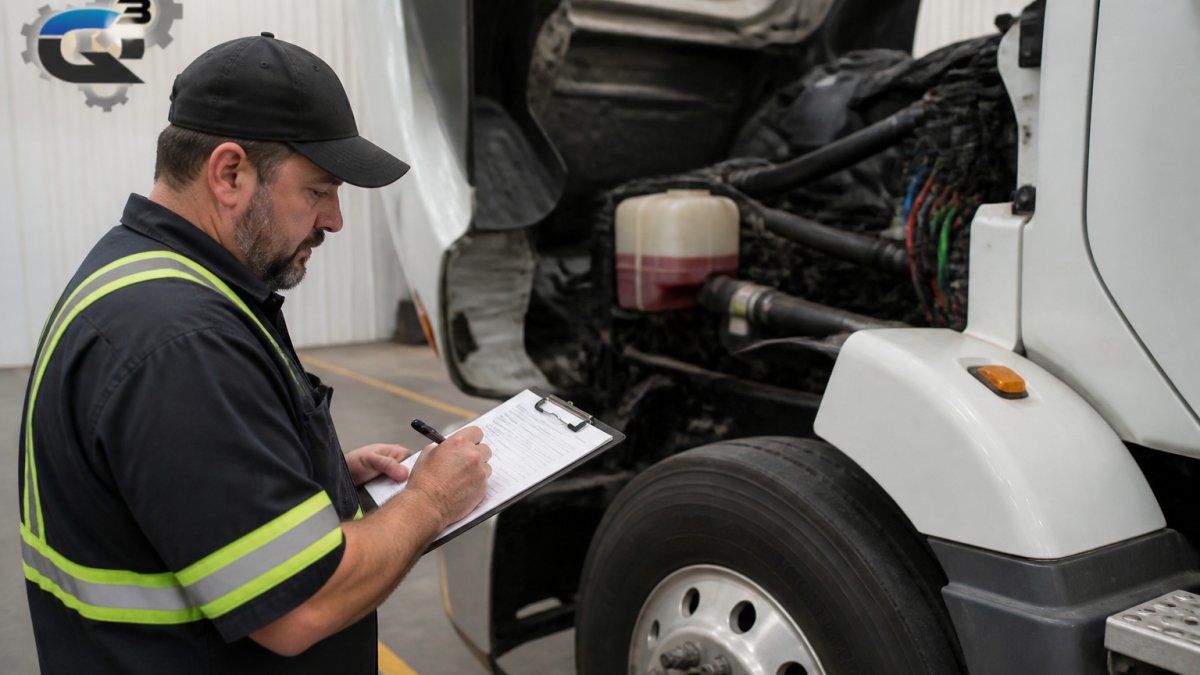
Vehicle Inspection and Maintenance, Specify pre-trip inspection procedures, maintenance schedules, and who reports mechanical issues.
Incident Reporting, Explain how drivers report accidents, near-misses, and mechanical problems.
Distracted Driving, Ban or strictly limit phone use while driving.
Seat Belts and Restraints, Require seat belt use for all occupants, every trip.
Substance Abuse, Define your policy on drugs and alcohol. Specify testing protocols if applicable.
Consequences for Violations, Be clear about what happens when drivers break policy.
Driver Coaching and Remediation, Outline how you address risky driving behavior.
Write your policy in clear language, make it accessible to every driver, and require acknowledgment.
Measuring Fleet Safety Performance Metrics
You can't improve what you don't measure. Fleet safety performance metrics give you visibility into what's working and where problems exist. The key is to move past a list of numbers and build a measurement framework that ties training to outcomes.
Establish a Baseline Before Training
Before any new training initiative, capture a 90-day baseline for each metric below. Without a baseline, you cannot prove improvement, and you cannot justify the training investment to leadership.
- Collision rate: incidents per 1,000 miles driven or per driver per year. Normalize by miles so a high-mileage vehicle doesn't skew the picture.
- Collision severity: minor fender-benders versus major accidents, tracked separately.
- Near-miss reports: close calls that didn't result in damage. A non-punitive reporting culture is required to get honest data here.
- Telematics events: speeding, harsh braking, harsh acceleration, and tailgating detected by in-vehicle systems.
- Training completion rate: percentage of assigned drivers who finished each module on schedule.
- Knowledge check scores: pre- and post-training scores on the same assessment.
Set Evaluation Intervals
A common pattern is a three-tier review cadence:
- 30-day check: Did drivers complete training? Did knowledge scores improve?
- 90-day check: Have telematics events dropped for the coached drivers? Are near-miss reports trending down?
- 12-month check: Have collision rates, claim frequency, and severity changed against the baseline?
Short intervals catch implementation problems. Long intervals reveal whether behavior change stuck.
Connect Training to Business Outcomes
Training ROI lives in four cost categories you can track without inventing numbers:
- Collision and claim frequency: fewer incidents means fewer claims filed.
- Claim severity: even when incidents occur, better-trained drivers tend to produce lower-severity events.
- Downtime: every vehicle out of service for repair is a day of lost productivity. Track vehicle-off-road days per incident.
- Insurance and retention: many carriers offer premium credits for documented safety programs, and drivers who feel trained tend to stay longer, reducing hiring and onboarding costs.
Compare your metrics against industry benchmarks where available. Improvement over time is the real measure of program effectiveness, but benchmarks tell you whether your baseline is competitive.
Use Data to Target Coaching
Use data to identify which drivers, vehicles, or routes need attention. A driver with three incidents in six months needs coaching. A specific route with frequent near-misses might need hazard training. Data-driven coaching is more effective than generic feedback.
Track training completion rates and correlate them with performance improvements. Did drivers who completed defensive driving training reduce their incident rates? That outcome validates your training investment. If a specific module shows no measurable change, revise the content rather than repeating it.
Document and Report
Keep a simple quarterly scorecard that shows baseline, current value, and trend for each metric. Share it with leadership and, in summary form, with drivers. Visibility keeps the program funded and keeps drivers engaged in the improvement.
Driver Coaching and Post-Incident Remediation
Driver coaching is the bridge between identifying problems and improving behavior.

When an incident occurs, start with facts, not blame.
Schedule a private conversation with the driver.
Assign targeted training based on the specific incident. A driver who caused a collision by following too closely needs following-distance training.
Document the coaching conversation and the driver's response. If the same driver has repeated incidents, escalate to formal warnings or retraining requirements.
For drivers who struggle despite coaching, consider whether they're suited for fleet driving. Some people have slower reaction times or poor hazard awareness.
Create a remediation process that gives drivers a fair chance to improve but also sets clear expectations.
Improving fleet driver safety requires commitment to driver training, clear policies, and accountability. Ready to strengthen your fleet operations? OSHA guidelines on vehicle safety provide additional workplace safety standards, and the National Highway Traffic Safety Administration's fleet safety resources offer industry-specific guidance.
Frequently Asked Questions
How do you improve fleet driver safety?
Improve fleet driver safety through a multi-layered approach: establish clear safety policies, implement recurring driver training focused on defensive driving and hazard awareness, use telematics to monitor driver behavior and identify risky driving patterns, conduct regular safety audits, and provide coaching based on performance data. Combine online training with behind-the-wheel instruction, track safety metrics like accident rates and collision prevention, and hold drivers accountable through consistent enforcement of safety standards.
What should a fleet safety policy template include?
A fleet safety policy template should cover vehicle inspection procedures, seat belt and distraction policies, speed and following-distance requirements, weather-related driving restrictions, incident reporting protocols, driver qualification standards, maintenance schedules, and consequences for safety violations. Include clear roles and responsibilities for drivers and managers, expectations for hazard awareness and risk mitigation, requirements for ongoing training, and procedures for post-incident coaching. Make policies accessible and require driver acknowledgment annually.
How often should fleet drivers receive safety training?
Fleet drivers should receive formal safety training at least annually, with quarterly refresher sessions or monthly toolbox talks to reinforce key concepts. New drivers require comprehensive behind-the-wheel training before operating fleet vehicles. Use performance data and incident reports to identify drivers needing additional coaching or remedial training outside the standard schedule. Interactive training formats and recurring education help maintain engagement and address emerging risks specific to your fleet operations.
How do you measure the effectiveness of fleet safety training?
Measure training effectiveness by tracking fleet safety performance metrics including accident rates, collision rates, insurance claims, near-miss incidents, and driver behavior scores from telematics systems. Compare metrics before and after training implementation. Monitor driver engagement through training completion rates and assessment scores. Conduct post-training surveys to gauge driver confidence in applying defensive driving techniques. Analyze whether high-risk drivers show improved behavior after coaching. Calculate return on investment by comparing reduced accident costs against training expenses.
How can telematics help improve fleet driver safety?
Telematics systems provide real-time driver performance data on acceleration, braking, speeding, cornering, and distraction patterns. This data identifies risky driving behaviors and high-risk drivers for targeted coaching. Managers can review dashcam footage to understand accident context and provide specific, evidence-based feedback. Telematics enables proactive safety interventions before incidents occur, supports fair driver accountability, and helps customize training to address actual fleet risks rather than generic hazards.
What are the most common risks for fleet drivers?
Common fleet driver risks include distracted driving, speeding, improper following distances, fatigue, poor vehicle maintenance awareness, inadequate hazard awareness, and failure to adjust driving for weather or road conditions. Drivers managing multiple stops or tight schedules often rush, increasing collision risk. Older or unfamiliar vehicles present additional hazards if drivers lack proper vehicle capability training. Fleet operations in high-traffic areas face elevated accident exposure. Address these through role-specific training, risk assessments, and performance monitoring.
Can small fleet operations benefit from safety programs?
Yes. Small fleets benefit significantly from structured safety programs because even one serious accident can disrupt operations and raise insurance costs substantially. A simple fleet safety policy, annual driver training, and basic telematics monitoring prevent costly incidents. Small fleets can start with online training resources, peer-to-peer coaching, and straightforward incident reporting. Safety programs build driver accountability and professionalism, reduce claims, and demonstrate responsible fleet management to insurers and customers.