 ultimate-guide
Commercial Truck Inspection Requirements in Maryland
Table of Contents
- What Is a Commercial Truck Inspection in Maryland?
- Maryland State Inspection Requirements for Commercial Vehicles
- DOT Inspection Checklist: Required Components and Safety Standards
- Commercial Vehicle Safety Inspection Frequency: How Often You Must Inspect
- DOT Compliance vs. State Inspection: What's the Difference?
- SERO (Safety Equipment Repair Order) and Common Failure Points
- How to Find a Licensed Inspection Station and Prepare Your Fleet
- Frequently Asked Questions
Last Updated: October 1, 2026
What Is a Commercial Truck Inspection in Maryland?
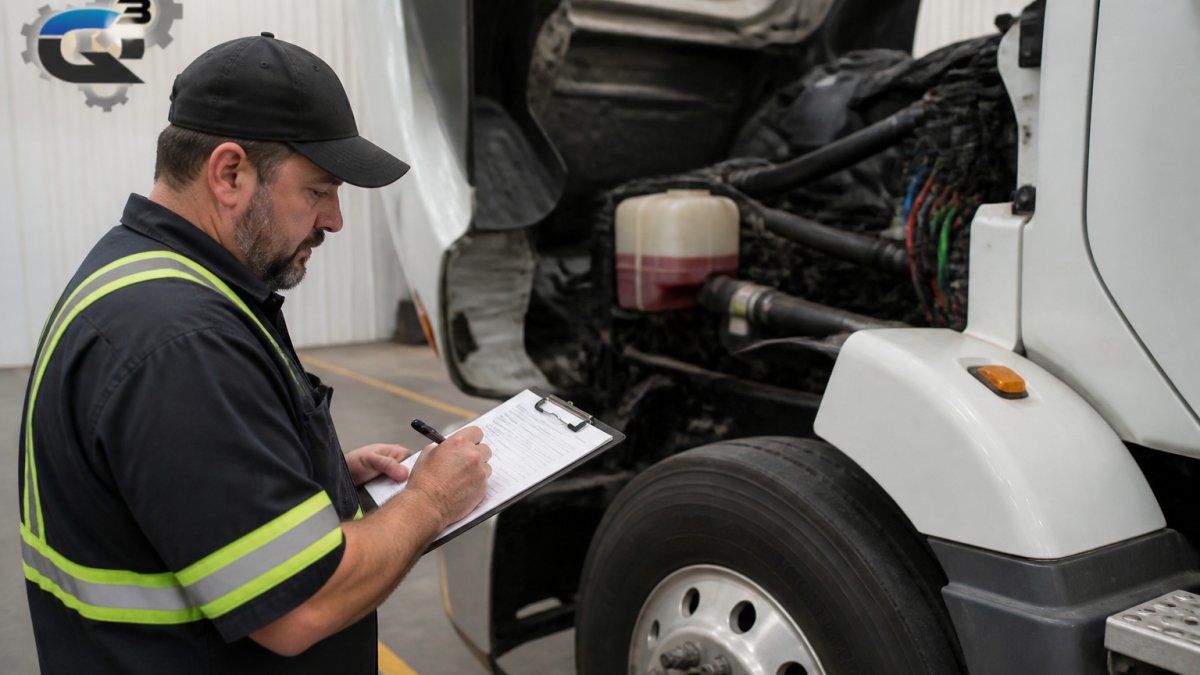
A commercial truck inspection is a comprehensive safety evaluation required for commercial motor vehicles operating on public roads. This inspection verifies that your vehicle meets federal DOT compliance standards and Maryland state regulations, covering everything from brake systems to lighting devices.
For fleet managers and owner-operators in Maryland, understanding these requirements isn't optional, it's a legal mandate. Vehicles that fail inspection cannot legally operate until repairs are completed and certified. The stakes are real: roadside inspections by state police can result in out-of-service orders, fines, and operational disruptions that cost your business time and money.
At Q3 Car & Truck Repair, we work with local fleet operators to ensure their commercial vehicles pass inspection on the first attempt. The difference between a vehicle that passes and one that fails often comes down to preventative maintenance and understanding exactly what inspectors are looking for.
Maryland State Inspection Requirements for Commercial Vehicles
Maryland's commercial vehicle inspection program enforces both federal standards under 49 CFR 396.17 and state-specific requirements administered through the Motor Vehicle Administration. Not every truck needs inspection at the same frequency, and not every vehicle type is subject to the same rules.
Vehicles That Require Inspection
Commercial motor vehicles with a Gross Vehicle Weight Rating (GVWR) of 10,001 pounds or more must undergo annual inspection at a licensed inspection station. This includes:
- Heavy duty trucks and truck tractors
- Commercial buses carrying passengers
- Vehicles used for commercial purposes regardless of ownership structure
If your vehicle operates commercially, whether you own it outright or lease it, and exceeds the 10,001-pound threshold, inspection is mandatory. The inspection must be completed before the expiration date shown on your current certificate, and documentation must be maintained in your vehicle.
Vehicles Exempt From Inspection
Certain vehicles are exempt from commercial inspection requirements, though they may still require standard vehicle registration and emissions inspections:
- Pickup trucks and vans with GVWR under 10,001 pounds used for personal transportation
- Vehicles registered solely for private use, not commercial operation
- Government-owned vehicles operated by federal, state, or local agencies (subject to their own compliance protocols)
The distinction between commercial and personal use is critical. A pickup truck used occasionally for business purposes may still qualify as personal use if it's not primarily operated for commercial gain.
DOT Inspection Checklist: Required Components and Safety Standards
The DOT inspection checklist is standardized across all states but enforced rigorously in Maryland. Inspectors evaluate specific systems and components using a systematic approach that mirrors the federal safety standards outlined in 49 CFR 396.17.
Brake System and Coupling Devices
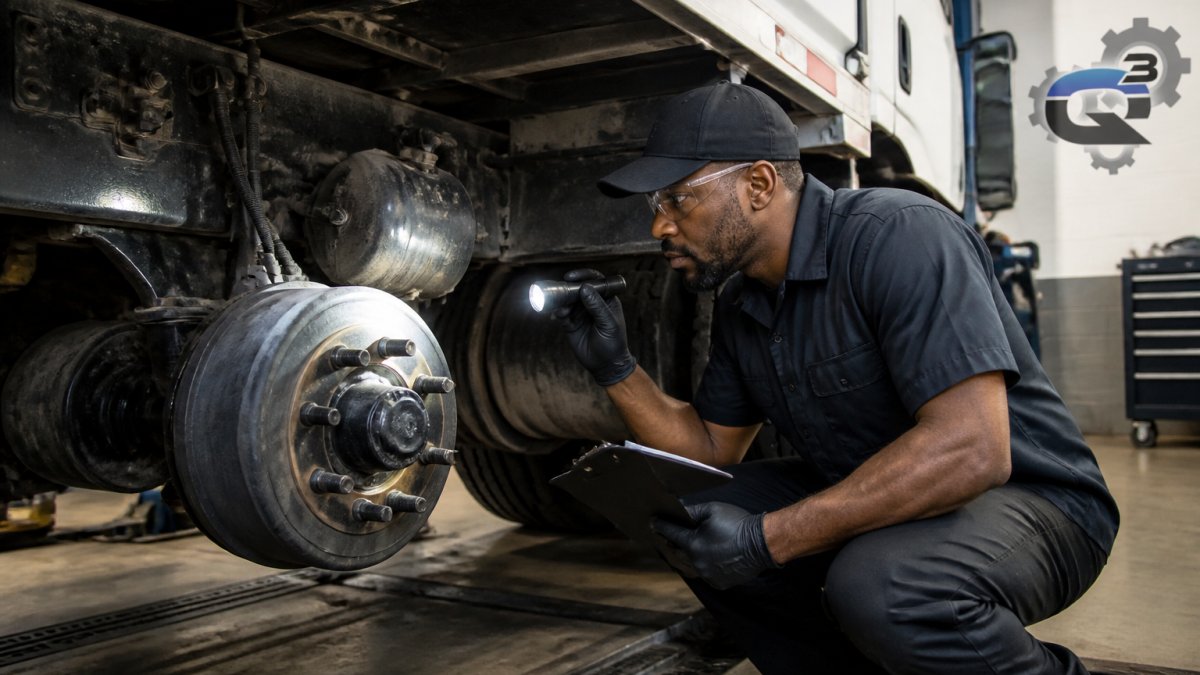
The brake system is the most frequently cited failure point during commercial vehicle inspections. Inspectors examine brake drums, shoes, linings, hoses, and connections for proper function and wear. Coupling devices, the mechanical connections between tractor and trailer, must operate smoothly without excessive play or corrosion.
A brake system failure means your vehicle is immediately out of service. This isn't a minor defect. Brake fluid must be present and uncontaminated, brake chambers must be functioning, and all connections must be secure. Common failures occur when brake pads fall below minimum thickness or when air lines show signs of deterioration.
Coupling devices must have proper slack adjusters, working lights, and secure connections. If a coupling device fails inspection, the vehicle cannot be operated until repairs are certified by a licensed repair facility and documented.
Steering, Suspension, and Chassis
Steering components, including the steering wheel, column, gearbox, and linkages, must operate without excessive play or damage. Suspension systems, including springs, shock absorbers, and axles, are evaluated for wear and proper function. The chassis itself must be free from cracks, corrosion, or damage that compromises structural integrity.
A steering component with excessive play creates an immediate safety hazard and triggers an out-of-service order. Suspension failures are equally serious because they affect vehicle stability and braking performance.
Lighting, Fuel, and Exhaust Systems
All lighting devices, headlights, taillights, brake lights, turn signals, and marker lights, must function properly and be properly aimed. The fuel system must be leak-free with secure connections and properly functioning fuel caps. Exhaust systems cannot emit smoke or odors that indicate engine problems.
Commercial Vehicle Safety Inspection Frequency: How Often You Must Inspect
Annual inspection is the standard requirement for most commercial vehicles in Maryland. The inspection must be completed within 12 months of the previous inspection date, and your certificate must remain valid and posted in the vehicle.
DOT Compliance vs. State Inspection: What's the Difference?
DOT compliance refers to adherence to federal safety standards established by the Department of Transportation under 49 CFR 396.17. These standards apply to all commercial motor vehicles nationwide and cover the specific components and systems inspectors evaluate.
SERO (Safety Equipment Repair Order) and Common Failure Points
When a vehicle fails inspection, the inspection station issues a SERO, a Safety Equipment Repair Order, documenting specific defects that must be corrected. The SERO lists each failed component and the required repair or replacement action.
What Happens When Your Truck Fails Inspection
A failed inspection results in an out-of-service order, meaning your vehicle cannot legally operate until repairs are completed and certified. You must take the vehicle to a licensed repair facility, have the defects corrected, and obtain a Certification of Repair documenting that all SERO items have been addressed.
Most Common Inspection Failures
Brake system defects lead all inspection failures. Brake pads and linings wear predictably, and many operators delay replacement until inspection failure forces action. Air brake systems, common on heavy trucks, fail when hoses deteriorate or connections corrode.
How to Find a Licensed Inspection Station and Prepare Your Fleet
- Verify all lighting devices function properly
- Check brake fluid level and condition
- Inspect tires for adequate tread depth and proper inflation
- Examine coupling devices for secure connections
- Review fuel system for leaks
- Confirm all required documentation is present and current
| Inspection Component | Failure Consequence | Prevention Strategy |
|---|---|---|
| Brake System | Out-of-service order | Monthly fluid and pad checks |
| Lighting Devices | Inspection failure | Weekly bulb and connection verification |
| Coupling Devices | Out-of-service order | Quarterly connection and adjuster inspection |
| Tires | Inspection failure | Monthly tread depth measurement |
| Suspension | Out-of-service order | Quarterly component visual inspection |
| Fuel System | Out-of-service order | Monthly leak and connection checks |
| Vehicle Type | GVWR Threshold | Inspection Requirement |
|---|---|---|
| Heavy Duty Truck | Over 10,001 lbs | Annual inspection required |
| Truck Tractor | Over 10,001 lbs | Annual inspection required |
| Commercial Bus | Over 10,001 lbs | Annual inspection required |
| Pickup Truck (Commercial) | Over 10,001 lbs | Annual inspection required |
| Pickup Truck (Personal) | Under 10,001 lbs | Standard registration only |
According to Federal Motor Carrier Safety Administration guidance on vehicle inspection, commercial motor vehicles must meet specific safety standards before operation. Maryland's inspection program enforces these federal requirements consistently across all licensed inspection stations.
Frequently Asked Questions
Do all commercial vehicles need an annual inspection in Maryland?
Not all commercial vehicles require annual inspections. Vehicles with a GVWR (Gross Vehicle Weight Rating) of 10,001 pounds or more must undergo annual safety inspections under federal DOT regulations (49 CFR 396.17). Lighter commercial vehicles and those under 10,001 GVWR may only need state registration renewal. Check your vehicle's GVWR on the manufacturer's plate to determine your specific requirements.
What is included in a commercial truck inspection checklist?
A DOT inspection checklist covers brake systems, steering components, suspension, coupling devices, lighting devices, fuel systems, exhaust systems, tires (including tread depth), and the chassis. Inspectors also verify that all safety equipment is functioning and properly maintained. The inspection ensures compliance with federal safety standards outlined in 49 CFR 396.17 and protects both your fleet and public safety on the road.
How often must a commercial vehicle undergo a safety inspection?
Commercial vehicles with a GVWR over 10,001 pounds must undergo a safety inspection annually. Some fleets conduct inspections more frequently, quarterly or semi-annually, as part of preventative maintenance programs. Regular inspections catch wear and tear early, reduce roadside inspection failures, and help avoid costly repairs and downtime.
What is a SERO and what happens if my truck fails inspection?
A SERO (Safety Equipment Repair Order) is issued when your commercial vehicle fails inspection. It documents the specific components or systems that must be repaired before the truck can return to service. You have a set timeframe to complete repairs at a licensed inspection station and obtain a certification of repair. Common failures include brake system defects, lighting issues, and tire tread depth below legal limits.
What vehicles are exempt from commercial truck inspection requirements?
Vehicles with a GVWR of 10,000 pounds or less are generally exempt from federal DOT safety inspections. Certain government-owned vehicles, farm vehicles used for agricultural purposes, and vehicles operated within limited service areas may also qualify for exemptions. However, all commercial vehicles must comply with state registration and emissions requirements. Verify your vehicle's classification with the Motor Vehicle Administration.
Where can I find a licensed inspection station for my commercial truck?
Licensed inspection stations are certified by the Motor Vehicle Administration and can be found through the Maryland MVA website or by contacting your local state police commercial vehicle enforcement division. When choosing a station, verify they are authorized to perform DOT inspections and can issue certification of repair documents. A reputable shop will provide transparent estimates and explain any necessary repairs before beginning work.