 listicle
5 Signs Your Car Needs Immediate Engine Diagnostics
Table of Contents
- Sign 1: The Check Engine Light Is On (Or Flashing)
- Sign 2: Unusual Noises From The Engine Bay
- Sign 3: Fluid Leaks Under Your Vehicle
- Sign 4: Engine Overheating Or Poor Fuel Economy
- Sign 5: Rough Idling, Stalling, Or Difficulty Starting
- How Long Does An Engine Diagnostic Take?
- Understanding The Cost Of Car Engine Diagnostic Test
- DIY Scanners vs. Professional Engine Diagnostics
- Frequently Asked Questions
Last Updated: September 8, 2026
Your car communicates problems through warning lights, sounds, and changes in behavior. Recognizing the 5 signs your car needs immediate engine diagnostics can mean the difference between a minor sensor replacement and a major engine failure.
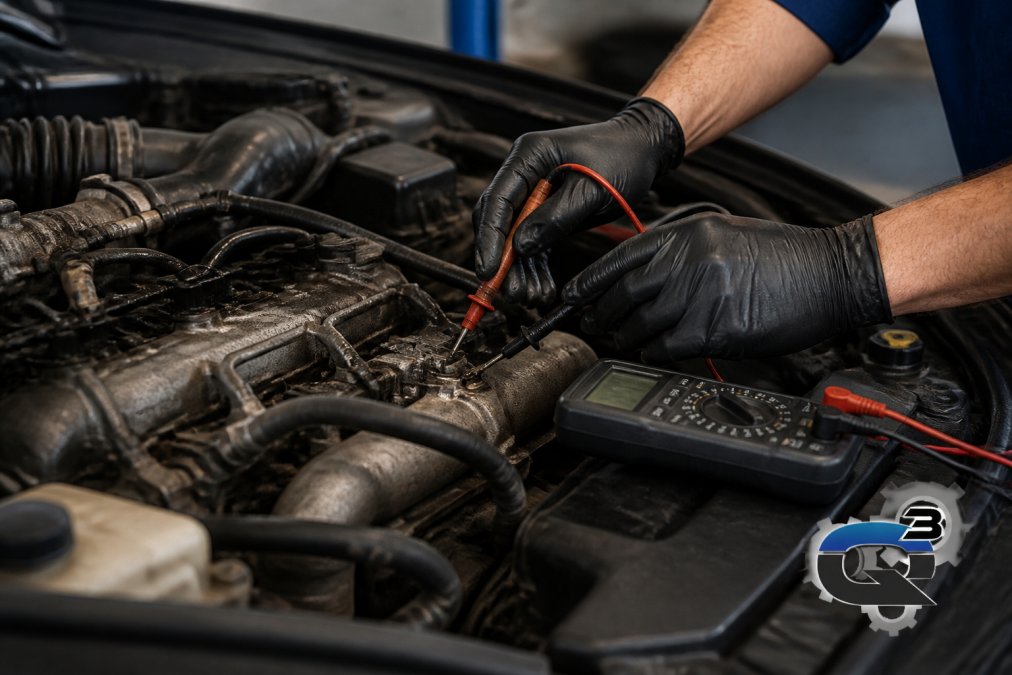
Engine diagnostics is the process of using specialized equipment to read your vehicle's computer data and identify the root cause of performance issues. Below, we'll walk through the five most critical warning signs and explain what each one means.
Sign 1: The Check Engine Light Is On (Or Flashing)
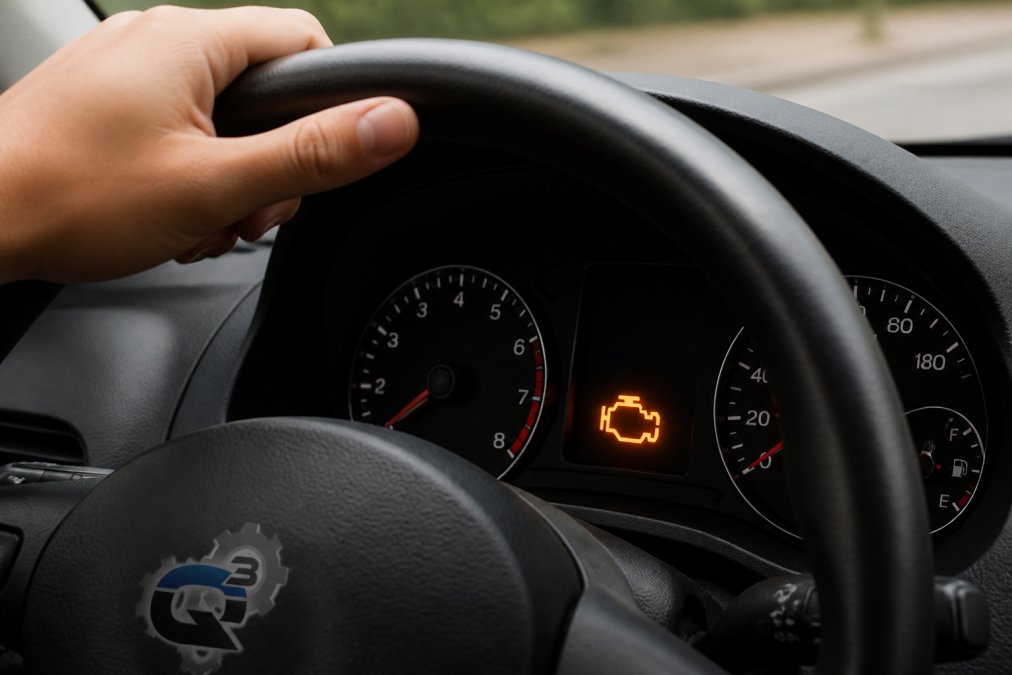
The check engine light is your vehicle's primary alert system. A steady light typically indicates a minor issue like a loose gas cap or a faulty oxygen sensor. A flashing light signals something urgent, such as an engine misfire that could damage your catalytic converter if you keep driving (nhtsa.gov).
According to Car Care Council maintenance guidelines, regular preventative maintenance catches many issues before they trigger warning lights. When your check engine light appears, the onboard computer stores a diagnostic trouble code that points to the problem area. A professional-grade scanner can retrieve these codes and translate them into actionable repair steps.
Sign 2: Unusual Noises From The Engine Bay
Knocking, ticking, and squealing sounds from under the hood are never normal. A rhythmic knocking that intensifies under acceleration often points to worn bearings or low oil pressure. A high-pitched squeal on startup typically indicates a loose or failing serpentine belt.
These noises rarely resolve themselves. The longer you wait, the more internal damage accumulates. What starts as a minor lubrication issue can quickly become catastrophic engine failure requiring a full rebuild. If you hear unusual sounds, have the engine inspected promptly and ask about the symptoms of engine trouble before continuing regular driving.
Sign 3: Fluid Leaks Under Your Vehicle
Fresh puddles under your car are a direct invitation for engine diagnostics. Different fluid colors tell different stories. Bright green or orange fluid suggests coolant leaking from the radiator or hoses. Dark brown or black puddles point to engine oil escaping past worn seals or gaskets. Red fluid typically indicates transmission fluid or power steering fluid loss.
Each leak carries unique risks. Low coolant leads to engine overheating. Low oil pressure causes metal-on-metal contact inside the engine. Transmission fluid loss results in slipping gears and hard shifts. Check fluid levels regularly and address any leak source before it compromises critical systems.
Sign 4: Engine Overheating Or Poor Fuel Economy
A temperature gauge creeping toward the red zone demands immediate attention. Engine overheating causes warped cylinder heads, blown head gaskets, and cracked engine blocks. If your temperature warning light activates, pull over safely and shut off the engine rather than risking permanent damage.
A sudden drop in fuel efficiency often signals sensor failure or ignition system problems. When oxygen sensors or spark plugs degrade, the engine burns more fuel than necessary to maintain power. Many drivers dismiss a 20% drop in gas mileage as normal, but it frequently points to correctable engine diagnostics issues.
Sign 5: Rough Idling, Stalling, Or Difficulty Starting
Your engine should idle smoothly at a consistent RPM. Rough idling, where the car shakes or vibrates while stopped, often indicates vacuum leaks, dirty fuel injectors, or failing spark plugs. Stalling at stoplights suggests more serious issues with the fuel delivery system or ignition components.
Difficulty starting your vehicle, especially in the morning, points to problems with the battery, starter motor, or fuel pump. These components work together to get your engine running. When one fails, others compensate until they eventually fail too. Early engine diagnostics identifies which component is actually failing, saving you from replacing parts unnecessarily.
| Warning Sign | Likely Causes | Risk If Ignored | Recommended Action |
|---|---|---|---|
| Check engine light | Sensor failure, misfire, loose gas cap | Catalytic converter damage | Scan codes immediately |
| Unusual engine noises | Worn bearings, low oil, belt issues | Catastrophic engine failure | Professional inspection |
| Fluid leaks | Worn seals, damaged hoses | Overheating, transmission failure | Identify and repair source |
| Overheating/poor economy | Coolant loss, sensor failure | Warped heads, blown gasket | Stop driving, tow to shop |
| Rough idle/stalling | Vacuum leaks, fuel issues | Complete breakdown | Diagnostic testing |
How Long Does An Engine Diagnostic Take?
A professional engine diagnostic typically takes 30 to 60 minutes, but the real question isn't how long it takes, it's what you're getting for that time. Understanding the two distinct phases helps you evaluate whether a shop is doing a thorough job or just clearing codes.
Phase 1: Code Retrieval and Freeze Frame Data (10-15 minutes)
The technician connects an OBD-II scanner and retrieves stored diagnostic trouble codes (DTCs). A competent diagnostic doesn't stop at the code itself. The scanner also captures freeze frame data, a snapshot of engine conditions (RPM, coolant temperature, fuel trim, vehicle speed) at the exact moment the fault was recorded. This tells the technician whether the failure occurred under heavy load, at idle, or during cold start, narrowing the possible causes.
Phase 2: Component Testing and Live Data Analysis (20-45 minutes)
This is where the diagnostic separates symptom-reading from root-cause analysis. The technician interprets live sensor streams, oxygen sensor voltage cycling, mass airflow readings, fuel trims, and ignition timing, against factory specifications. For example, a P0420 code (catalytic converter efficiency below threshold) could mean the converter is failing, or a slow-acting oxygen sensor is sending false readings. A thorough technician will test the sensor's response time before recommending a $1,200 converter replacement.
What You Should Expect From a Quality Diagnostic
A reputable shop will provide three things before you authorize any repair:
- A written explanation of the codes, not just the code number, but what system it relates to and what the freeze frame data indicates.
- A clear diagnosis vs. a parts recommendation, the difference between "your oxygen sensor is failing based on these voltage readings" and "the code says oxygen sensor, so we'll replace it."
- A repair estimate that separates diagnostic cost from parts and labor, most independent shops credit the diagnostic fee toward the repair if you approve the work there.
The 30-Minute Rule of Thumb
If a shop needs more than 60 minutes for a basic diagnostic on a modern vehicle, ask what additional testing they plan. Intermittent issues may need a road test or overnight data logging, but a straightforward check engine light on a 2010 or newer vehicle should not require hours of labor. Being quoted more than one hour for a non-intermittent issue signals a need to ask what the extra time covers.
Understanding the diagnostic process protects you from paying for unnecessary parts based on code-reading alone and being rushed into a repair without understanding the evidence. A quality diagnostic is an investment in avoiding wasted money and repeat visits.
Understanding The Cost Of Car Engine Diagnostic Test
The cost of a car engine diagnostic test can vary. Some national chains advertise "free check engine light scans," but these are almost always loss leaders designed to get you in the door, the scan itself is free, but the pressure to authorize repairs on the spot is part of the business model.
What the Diagnostic Fee Actually Covers
A legitimate diagnostic fee covers the technician's time to retrieve codes, analyze freeze frame data, test components, and document findings. It is not simply a fee for plugging in a scanner, any auto parts store will read your codes for free. The fee pays for interpretation and testing, where the real value lies.
The Real Cost: What Ignoring Diagnostics Costs You
Here's the math that most articles skip. A faulty oxygen sensor, a common check engine light trigger, can lead to more significant issues if ignored. For example, ignoring a warning light for several months can cause the engine to run rich, overheating the catalytic converter. A failed catalytic converter is significantly more expensive to replace than addressing the initial problem early.
Similarly, a worn spark plug causing a minor misfire can be addressed for a much lower cost than the potential damage it could cause if ignored. Unburned fuel can damage the catalytic converter and potentially the oxygen sensors, turning a minor repair into a much more expensive one.
How Diagnostic Fees Are Applied
Most reputable independent shops may credit the diagnostic fee toward the repair if you authorize the work there, making the diagnostic effectively free when you proceed. Always ask before authorizing.
Red Flags to Watch For
- Diagnostic fees over $200 for a standard OBD-II scan on a non-luxury vehicle, unless the issue is intermittent and requires extended testing.
- Shops that waive the diagnostic fee unconditionally, this often means the cost is baked into inflated parts or labor prices elsewhere.
- Refusal to provide the diagnostic trouble codes in writing, you own that information and should be able to take it to any shop for a second opinion.
A Practical Decision Framework
| Situation | Recommended Action |
|---|---|
| Check engine light is steady, car drives normally | Schedule a diagnostic within a week; pricing depends on the specific service required. |
| Check engine light is flashing | Stop driving immediately; tow to a shop, the diagnostic cost is trivial compared to catalytic converter damage |
| Multiple warning lights illuminated | Diagnostic is urgent; modern vehicles often cascade failures when one system degrades |
| Codes return after a DIY scanner cleared them | Stop guessing; professional diagnostic is now cost-justified |
The Bottom Line on Diagnostic Pricing
The diagnostic fee is a valuable investment for your engine. An investment that identifies a failing sensor before it destroys a much more expensive component can lead to significant savings. The decision becomes obvious.
DIY Scanners vs. Professional Engine Diagnostics
DIY OBD-II scanners offer a convenient first step for understanding your check engine light. These consumer tools read diagnostic trouble codes and provide basic descriptions of the problem area. Some models include helpful features like severity indicators and maintenance reminders.
The limitation of DIY scanners is that they identify symptoms, not causes. A code pointing to an oxygen sensor could mean the sensor itself failed, or it could mean a vacuum leak is letting unmetered air into the engine. Misdiagnosing based on codes alone leads to replacing parts that weren't broken, costing more than a professional diagnostic in the long run.
Professional engine diagnostics uses manufacturer-level equipment to access data beyond standard OBD-II codes. Technicians read live sensor streams, perform component tests, and compare readings against factory specifications, identifying the actual root cause and saving you money on unnecessary parts.
When your vehicle shows any of these five signs, prompt attention protects your investment. At Q3 Car & Truck Repair, our highly skilled technicians combine years of training with transparent communication to give you straightforward estimates and reliable guidance. We serve car and truck owners in Capitol Heights and Waldorf with quality workmanship and honest recommendations. Request an appointment today and experience a stress-free repair process built around your needs.
Frequently Asked Questions
Can I still drive my car if the check engine light is on?
It depends on the light's behavior. A steady check engine light often indicates a minor issue like a loose gas cap or a faulty oxygen sensor, allowing you to drive cautiously to a shop. A flashing check engine light signals a severe problem, such as an engine misfire, which can damage your catalytic converter. Pull over safely and schedule immediate engine diagnostics to prevent costly repairs.
What is the most serious warning light on a vehicle dashboard?
The most serious warning lights are the red oil pressure light and the engine temperature warning light. If the oil pressure light comes on, it means critical lubrication is lost, and continuing to drive can destroy the engine. Similarly, an overheating engine can warp heads and blow gaskets. Both require you to stop the vehicle immediately and request professional engine diagnostics.
How long does an engine diagnostic test usually take?
A standard engine diagnostic test typically takes 30 to 60 minutes. A technician plugs an OBD-II scanner into your vehicle's port to read diagnostic trouble codes and analyze live data from sensors like oxygen and mass airflow. More complex issues, such as intermittent problems or those requiring deeper electrical testing, might extend the process. Ask your service advisor for a time estimate when you book.
What does a diagnostic trouble code tell my mechanic?
A diagnostic trouble code (DTC) tells your mechanic the specific circuit or component that is failing, but not the root cause. For example, a code like P0301 indicates a cylinder 1 misfire. A skilled technician uses this code as a starting point, then performs visual inspections and tests to determine why the misfire occurs, whether from a faulty ignition coil, fuel injector, or a vacuum leak.