 ultimate-guide
Engine Knocking When Accelerating: Causes & Fixes
Table of Contents
- What Is Engine Knocking When Accelerating?
- Common Causes of Engine Knocking
- How to Diagnose Engine Knocking: A Decision Tree
- Is It Safe to Drive with Engine Knock?
- Engine Knock Repair Cost: What to Expect
- How to Prevent Engine Knocking
- Ping vs. Knock vs. Tap: Understanding the Difference
- Frequently Asked Questions
Last Updated: September 2, 2026
What Is Engine Knocking When Accelerating?
Engine knocking when accelerating is a metallic pinging or rattling sound that occurs when your engine's combustion process misfires. The sound happens because fuel detonates prematurely in the combustion chamber instead of burning in a controlled, synchronized manner with your engine's timing. When you press the accelerator, your engine demands more power, placing greater stress on the fuel-air mixture and combustion timing. If conditions aren't right, wrong fuel octane, carbon buildup, spark plug issues, or timing problems, the fuel ignites at the wrong moment, creating that distinctive knock.
The knock sensor detects this abnormal combustion and triggers the check engine light. Ignoring engine knocking can lead to serious mechanical failure, including damaged pistons, bent connecting rods, and bearing wear. At Q3 Car & Truck Repair, we help drivers understand this critical warning sign before minor issues become major repairs.
Common Causes of Engine Knocking
Engine knocking when accelerating stems from several distinct mechanical and fuel-related issues. Each cause requires different diagnostic steps and repair approaches.
Low-Octane Fuel and Fuel Quality Issues
Using fuel with an octane rating below your vehicle's manufacturer recommendation is one of the most common causes of engine knocking when accelerating. Your owner's manual specifies the minimum octane requirement, typically 87 for standard vehicles, 91-93 for performance engines, and premium (93+) for high-compression engines.
Octane measures fuel's resistance to pre-ignition (the EPA). Lower octane fuel ignites too easily under compression, causing it to burn before the spark plug fires. If you've recently switched to cheaper fuel or filled up at an unfamiliar station, fuel quality may be your culprit. The fix is straightforward: use the octane grade your vehicle requires. Many drivers report the knocking stops within one or two fill-ups.
Carbon Buildup in the Combustion Chamber
Carbon deposits accumulate inside your combustion chamber over time, especially in older vehicles or those with infrequent oil changes. These deposits raise the effective compression ratio of your engine, making fuel more likely to detonate prematurely. This cause is particularly common in vehicles over 100,000 miles, and direct-injection engines are especially prone to carbon accumulation (peer-reviewed research).
You might notice the knocking starts gradually and worsens over weeks or months, a sign of progressive carbon buildup. Carbon cleaning treatments added to fuel can help prevent further buildup, but severe deposits often require professional fuel system cleaning. The investment in cleaning is typically far less than repairing engine damage from prolonged knocking.
Spark Plug Problems and Engine Timing
Worn or fouled spark plugs fail to ignite the fuel-air mixture at the precise moment needed for proper combustion. When ignition timing is off, fuel burns at the wrong moment, creating knock. Spark plugs typically last 30,000 to 100,000 miles depending on type (the American Dental Association). A simple replacement often eliminates the knocking immediately.
Timing issues are more serious and require professional diagnosis with specialized equipment to measure actual timing against manufacturer specifications. The check engine light often accompanies timing or spark plug problems, with specific diagnostic trouble codes pinpointing the issue. At Q3 Car & Truck Repair, we use computerized diagnostics to read these codes and determine whether you're dealing with a simple spark plug replacement or a more complex timing adjustment.
Low Oil Pressure and Lubrication Issues
Engine oil cushions moving parts and maintains proper clearances between bearings and journals. When oil pressure drops, metal-to-metal contact increases, causing additional stress on the engine. Low oil pressure stems from dirty oil that's lost its lubricating properties, a failing oil pump, a clogged oil filter, or running low on oil.
Check your oil level first, it's the simplest diagnostic step. If the level is adequate, the problem likely involves pump failure or a clogged filter. Changing your oil and filter on schedule, typically every 5,000 to 7,500 miles, prevents many lubrication-related problems. Fresh oil with the correct viscosity often restores proper pressure and eliminates knock.
Worn Engine Bearings and Rod Knock
Rod knock is a serious mechanical failure where engine bearings wear excessively, creating metal-to-metal contact between the connecting rod and crankshaft. This produces a distinct heavy metallic knock that worsens with acceleration and engine load. Unlike spark knock, rod knock indicates imminent engine failure.
The knock from bearing wear is typically lower-pitched and more rhythmic than fuel-related knock, often accompanied by oil pressure warning lights. Rod knock requires immediate professional attention. Continuing to drive risks complete engine seizure. Bearing replacement involves major engine work and is expensive, but catching it early prevents catastrophic engine failure.
Engine Mount Damage and Air-Fuel Ratio Problems
Damaged engine mounts allow excessive engine movement, which can create knocking sounds as internal components shift under acceleration. Air-fuel ratio imbalances occur when your engine receives too much fuel or too little air relative to fuel. A rich mixture burns hotter and faster, increasing detonation risk. A lean mixture burns at higher temperatures, also promoting knock.
Faulty oxygen sensors, fuel injectors, or air intake leaks commonly cause these imbalances. Diagnostic codes often point to these specific issues. Replacing a faulty oxygen sensor or cleaning fuel injectors typically resolves the problem.
How to Diagnose Engine Knocking: A Decision Tree
Accurate diagnosis separates simple fixes from serious engine damage. Start with the most basic checks and work toward more complex diagnostics.
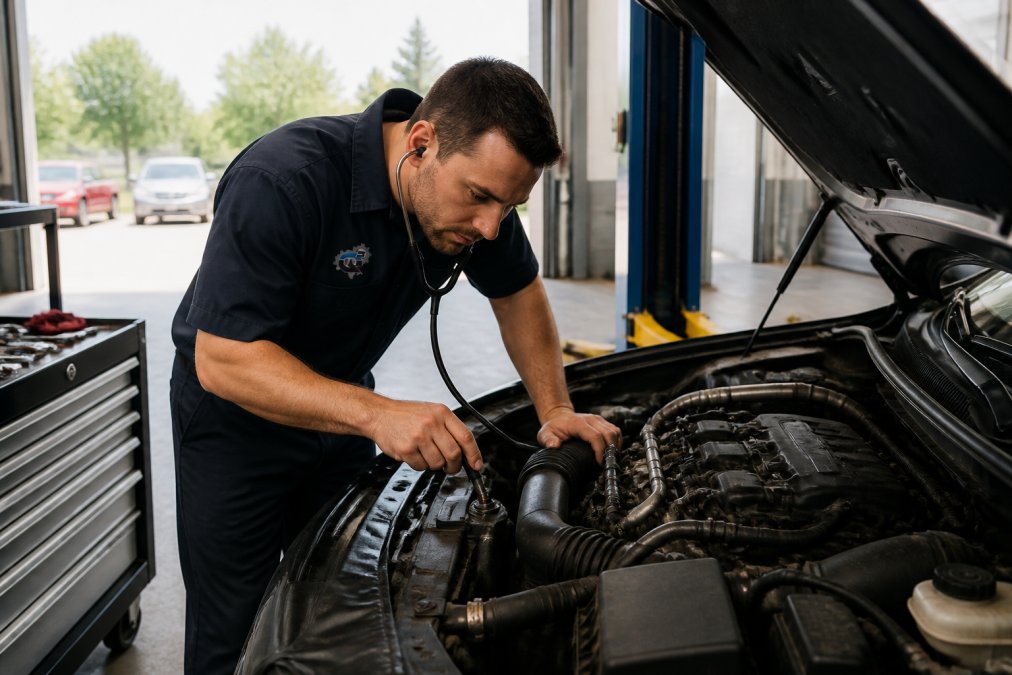
Step 1: Identify the sound characteristics. Is the knock a high-pitched ping that appears only under heavy acceleration, or a low-pitched metallic rattle at idle? High-pitched ping typically indicates fuel-related issues like low octane or carbon buildup. Low-pitched knock suggests bearing wear or serious mechanical problems.
Step 2: Check your fuel. Note the octane grade you're using. If it's below your vehicle's requirement, fill up with the correct grade at your next opportunity. Drive for several miles and listen for changes. If the knock disappears within one or two fill-ups, fuel octane was your problem.
Step 3: Inspect basic maintenance items. Check your oil level and condition. Old, dark oil suggests you're overdue for an oil change. Look for any visible fluid leaks under the engine.
Step 4: Use a diagnostic scanner. If basic checks don't reveal the problem, connect an OBD-II scanner to read diagnostic trouble codes. Codes like P0304 (misfire in cylinder 4) point to ignition issues. Codes like P0101 (mass airflow sensor) indicate air-fuel ratio problems.
Step 5: Seek professional diagnosis. If you've ruled out fuel, oil, and spark plugs, professional equipment becomes necessary. Mechanics use specialized tools to measure cylinder compression, fuel pressure, ignition timing, and oil pressure. These measurements definitively identify whether you're dealing with bearing wear, timing problems, or other mechanical issues.
Is It Safe to Drive with Engine Knock?
Whether it's safe to drive with engine knocking depends entirely on the underlying cause and severity. Light fuel knock from low octane is annoying but not immediately dangerous for short distances. Severe bearing knock indicates imminent engine failure and requires immediate attention.
Light knock from fuel quality or carbon buildup allows safe driving to a repair shop, but prolonged exposure accelerates engine damage. Each knock event places stress on pistons, connecting rods, and bearings. Bearing knock is different, if you hear a heavy metallic knock that worsens with acceleration, do not drive the vehicle. Pull over safely and have it towed to a repair shop.
The check engine light provides guidance. If the light is steady, you can usually drive safely to a repair shop. A flashing check engine light indicates a serious misfire and warrants immediate attention.
Engine Knock Repair Cost: What to Expect
Repair costs vary dramatically depending on the underlying cause. A fuel change costs nothing. Spark plug replacement and oil service address issues affordably. Carbon cleaning services involve specialized equipment and professional labor but remain far less expensive than engine rebuilding.
Bearing replacement and timing repairs require major engine work. Labor costs mount quickly, and parts expenses add substantially. For older vehicles, these repair costs sometimes approach or exceed the vehicle's value. The best approach is early diagnosis, catching fuel-related knock or spark plug issues before they cause bearing damage keeps repair costs manageable.
At Q3 Car & Truck Repair, we provide transparent estimates before beginning work and explain what's causing your engine knocking and what repair options exist.
How to Prevent Engine Knocking
Prevention is far more cost-effective than repair. Most engine knocking is avoidable through basic maintenance and smart driving habits.
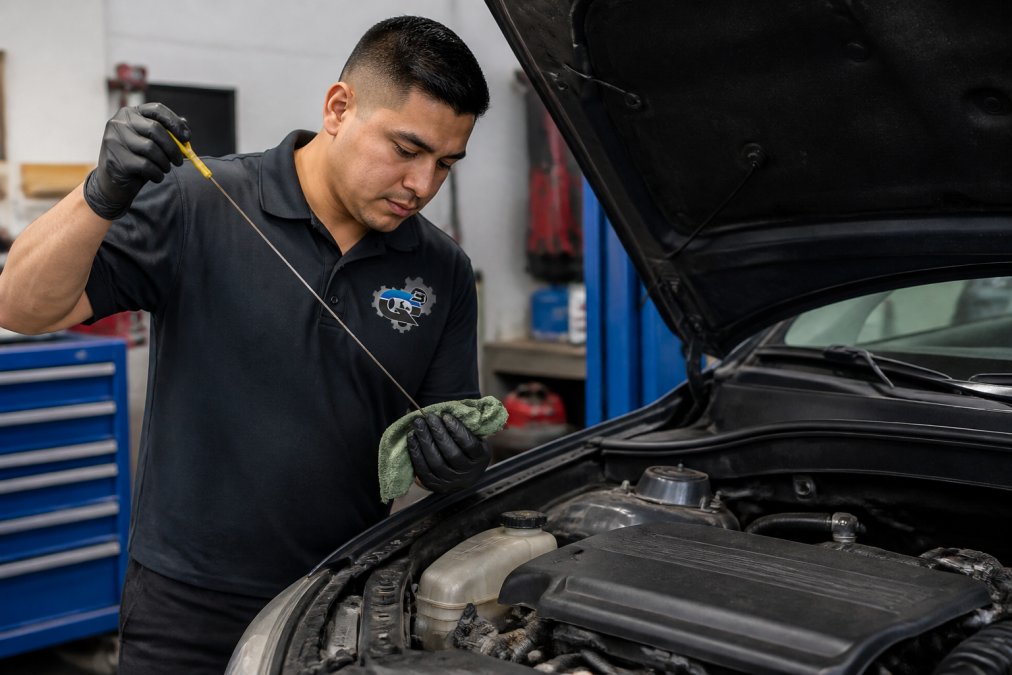
Use the correct fuel octane. Your owner's manual specifies the minimum octane requirement. Use that grade or higher.
Change oil on schedule. Regular oil changes maintain proper lubrication and prevent carbon buildup. Follow your vehicle's maintenance schedule, typically 5,000 to 7,500 miles for conventional oil.
Replace spark plugs at recommended intervals. Spark plugs typically last 30,000 to 100,000 miles depending on type. Replace them before they fail.
Keep your fuel system clean. Use fuel with detergents that prevent carbon buildup. Premium fuel often contains more detergents.
Address warning lights promptly. The check engine light indicates a problem that could worsen. Have it diagnosed quickly rather than ignoring it.
Use quality replacement parts. When repairs become necessary, use quality parts from reputable suppliers.
Ping vs. Knock vs. Tap: Understanding the Difference
Drivers often confuse different engine sounds. Understanding the distinctions helps you communicate problems to your technician.
Ping is a light, high-pitched metallic sound during acceleration, particularly when climbing hills. It's caused by low-octane fuel, carbon buildup, or slightly advanced timing. It's annoying but typically not immediately dangerous.
Knock is a heavier, more pronounced metallic sound during acceleration and sometimes at idle. Knock suggests more serious fuel-related issues or timing problems and warrants prompt diagnosis.
Tap is a lighter, more mechanical sound that often occurs at cold startup and diminishes as the engine warms. Some tap is normal in older vehicles, but tap that persists after warming or increases with engine load suggests bearing wear.
Rod knock is a distinctive heavy metallic knock that increases with acceleration and engine load, often accompanied by oil pressure warning lights. Rod knock indicates bearing failure and requires immediate attention.
Engine knocking when accelerating is your vehicle's way of signaling that something needs attention. Whether it's a simple fuel change or a more serious repair, getting accurate diagnosis early prevents expensive damage. At Q3 Car & Truck Repair, our technicians use computerized diagnostics and years of training to identify the exact cause of your engine knocking. We explain what's happening in clear terms, provide transparent repair estimates, and help you understand your options. Contact us to schedule an appointment and get your vehicle running smoothly again, because quality workmanship and honest communication are how we build lasting relationships with our customers.
Frequently Asked Questions
Q: What causes engine knocking when accelerating?
A: Engine knocking when accelerating occurs when fuel detonates prematurely in the combustion chamber, creating a metallic rattling or pinging sound. Common causes include low-octane fuel, carbon buildup, spark plug issues, low oil pressure, worn bearings, and air-fuel ratio imbalances. The knocking sensor detects abnormal combustion and triggers the check engine light. Identifying which cause applies to your vehicle requires listening to the sound's characteristics and checking your engine's condition.
Q: Is it safe to drive with engine knock?
A: Occasional light knocking caused by fuel quality may be safe for short trips, but persistent engine knock indicates a problem that worsens over time. Continued driving with severe knock, especially rod knock from worn bearings, risks catastrophic engine damage, leaving you stranded. If knocking is accompanied by vibration, loss of power, or a check engine light, have the vehicle inspected immediately. Delaying diagnosis and repair increases repair costs significantly.
Q: How much does engine knock repair cost?
A: Engine knock repair cost varies widely depending on the underlying cause. Fuel-related fixes or spark plug replacement are inexpensive, while carbon cleaning costs moderately more. Bearing replacement or engine rebuild represents the highest expense. Diagnosis is the first step, a qualified technician can identify the specific cause and provide a transparent estimate. Addressing knock early prevents expensive engine damage, making prompt inspection a smart investment.
Q: What's the difference between engine ping, knock, and tap?
A: Ping is a light, high-pitched metallic sound that occurs briefly during acceleration, usually from low-octane fuel or carbon buildup, and is often reversible. Knock is a deeper, rhythmic metallic sound that persists during acceleration, indicating pre-ignition or detonation in the combustion chamber. Tap is a single or occasional clicking sound, often from spark plug fouling or valve train issues. Knock is the most serious and requires immediate attention, while ping may resolve with fuel change.
This article was written using GrandRanker