 How-to
Finding Authentic Replacement Parts for Discontinued Trucks
Quick Summary
To find authentic replacement parts for discontinued trucks, first gather your VIN and exact specifications, then search by the OEM part number and check for superseded numbers. Next, contact dealer parts departments, discontinued parts warehouses, and salvage yards, and verify any part's authenticity before paying.
- Gather your VIN, trim, engine, drivetrain, cab and bed configuration, and production date before searching.
- Check for superseded part numbers, since a newer version of the part may still fit your truck.
- Ask dealers whether a superseded part is in stock and request the catalog page in writing.
- Inspect salvage yard parts for wear, corrosion, prior repairs, and damage, and confirm the donor truck's full configuration.
- Verify the part number stamped on the part itself and avoid safety-critical used parts without professional inspection.
Table of Contents
- Why Discontinued Truck Parts Are Harder to Source
- Step 1: Identify Your Truck and Gather the Exact Specifications
- How to Find Obsolete Auto Parts Using OEM and Superseded Part Numbers
- Step 2: Search Dealers, Discontinued Parts Warehouses, and Salvage Yards
- Step 3: Check Vintage Truck Parts Marketplaces, Forums, and Online Listings
- How to Verify Authentic OEM Parts Before You Pay
- Booking a Professional Fitment Check for Your Truck's Next Repair
- Frequently Asked Questions
Why Discontinued Truck Parts Are Harder to Source
Last Updated: November 14, 2026
Finding a part for one of the discontinued trucks that the manufacturer no longer makes can feel like a dead end. Owners of older pickups and work trucks often run into this after a dealer says the part is "no longer available." That answer is frustrating, but it rarely means the part is gone for good.
Discontinued truck parts are harder to find for a few clear reasons. Manufacturers stop production once demand drops, usually years after a model is retired. Dealers clear out their stock, and suppliers move on. Many parts are also tied to a specific model year, trim, or engine, so a part that fits one truck may not fit another. That is why a careful search matters more than a fast one.
Many owners find that the fastest route is a clear, repeatable process. Start by confirming your truck's exact details, then search by part number, and only then move to used or aftermarket options. The steps below walk through that process.
Step 1: Identify Your Truck and Gather the Exact Specifications
Before you search, collect the details that decide whether a part fits. Guessing by year and model alone causes most wrong orders.
Write down these items first:
- Vehicle Identification Number (VIN): Found on the driver's side dashboard near the windshield and on the driver's door jamb sticker
- Year, make, and model: Include the trim level, such as XL, XLT, or Lariat
- Engine size and type: Gas or diesel, and the displacement in liters
- Drivetrain: Two-wheel drive or four-wheel drive, plus the transmission type
- Cab and bed configuration: Regular, extended, or crew cab, and bed length
- Production date: Found on the door jamb sticker, which can show a mid-year change
Keep these details in one note or photo. You will need them for every search and every fitment check that follows.
How to Find Obsolete Auto Parts Using OEM and Superseded Part Numbers
The original equipment manufacturer (OEM) part number is the most reliable search key you have. Look for it printed on the old part, on the packaging, or in the owner's service manual.
A common problem is that the number has changed. Manufacturers often replace an old part with a newer design and assign a new number. This is called a superseded part number. A search with the old number may return nothing, even though a newer version still fits.
To check for superseded numbers:
- Enter the original OEM number into the manufacturer's parts lookup or a parts catalog.
- Look for a note that says the part is "superseded" or "replaced by."
- Search the new number, then confirm it lists your exact year, make, and model.
- Keep both numbers in your records so other sellers can match them.
A part can share a number across several years, but it may still differ by engine or axle.
Step 2: Search Dealers, Discontinued Parts Warehouses, and Salvage Yards
Once you have the correct part number, start with the most likely sources. Work from new and genuine parts toward used ones, and treat each source differently because the risks and return rights are not the same.
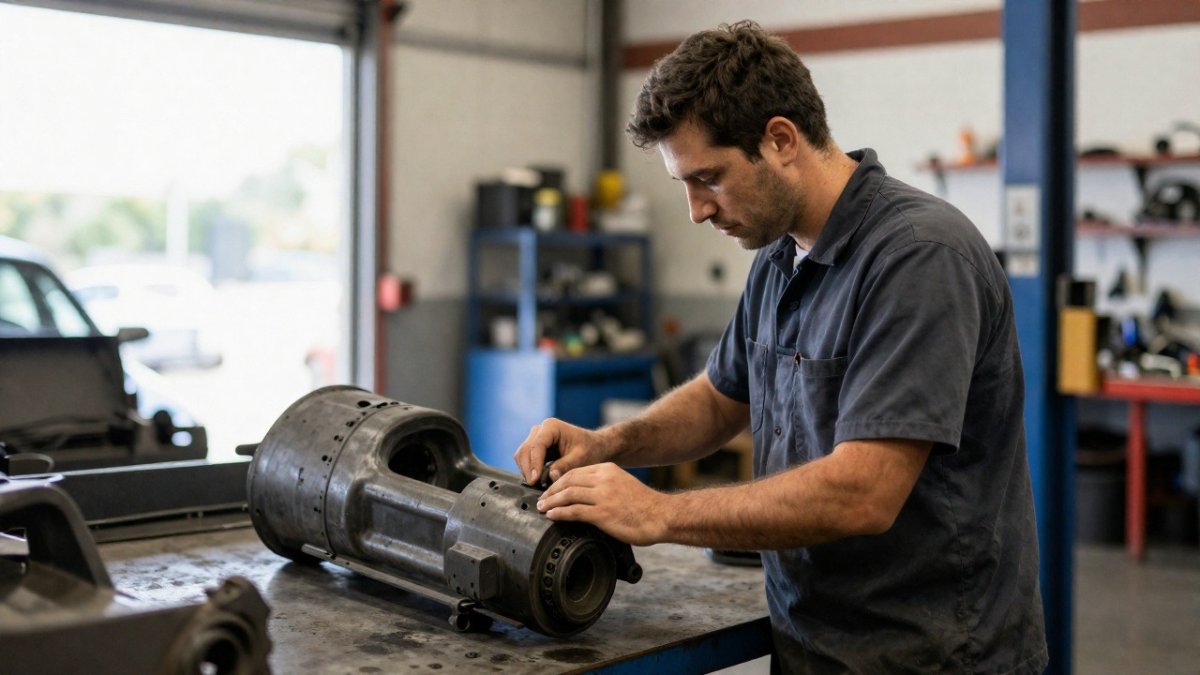
Dealer parts departments. Call the parts counter of a dealer that sells your truck's brand. Give them the VIN and the OEM number. Ask whether they can check for superseded parts, in-stock inventory at other branches, or a factory order. Even when a part is discontinued, dealers sometimes have one left on a shelf.
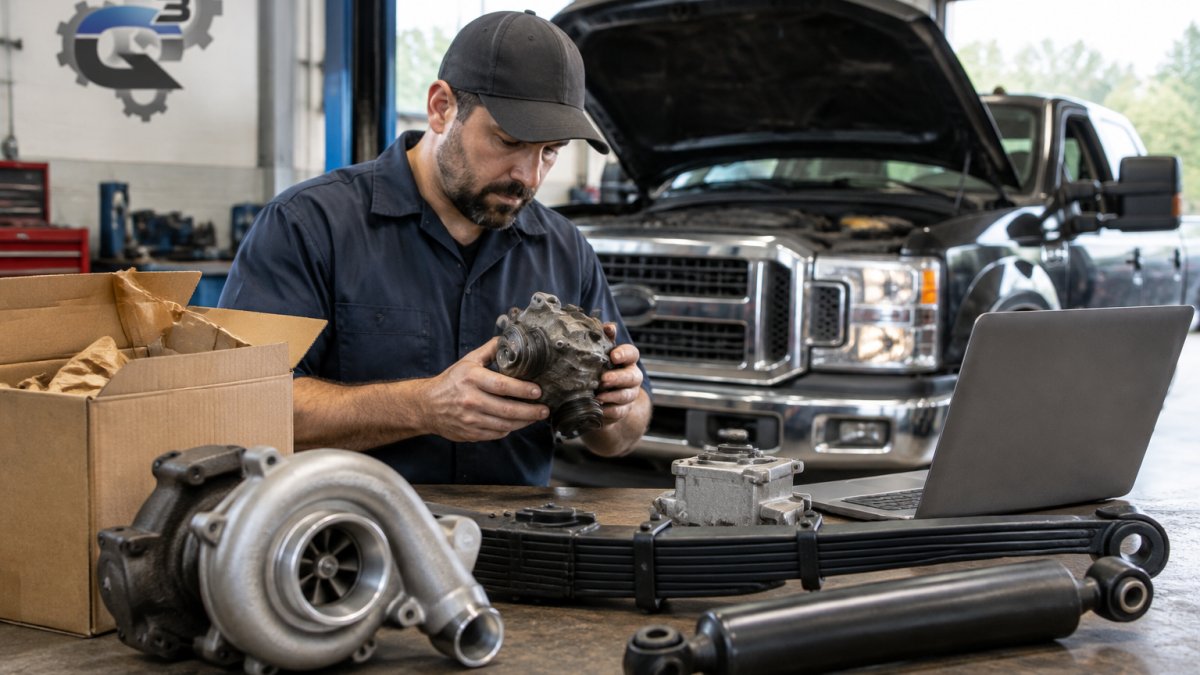
Discontinued parts warehouses. Some specialty suppliers keep older stock that manufacturers no longer produce. These warehouses often list inventory by part number. Ask whether the part is new old stock (NOS), remanufactured, or used, and request the part's condition in writing. Confirm the return window and whether the part carries any warranty before you pay.
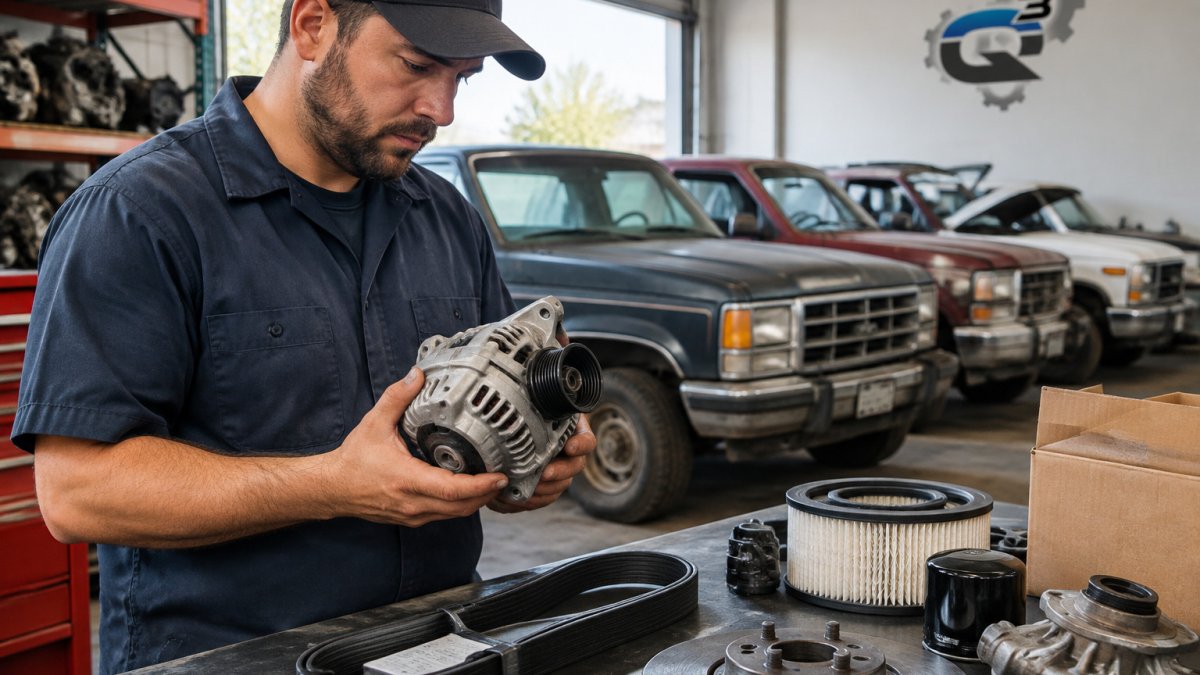
Salvage yards and junkyards. A salvage yard can be the best source for body panels, interior trim, and many mechanical parts. Bring your VIN and the part number, and ask the staff to confirm the donor truck's year, model, engine, drivetrain, cab, and bed configuration, not just the model year. Inspect the part before you pay.
Use this inspection checklist at the yard:
- Wear and corrosion: Look for deep rust pits, cracks at mounting points, and worn bushings or bearings. Surface rust on a body panel is often acceptable; corrosion on a structural or safety part is not.
- Prior repairs: Check for welding, bent brackets, stripped threads, or mismatched fasteners that suggest the part was repaired or forced.
- Damage: Look for impact marks, cracks, and heat discoloration. Ask whether the donor truck was in a collision and which side was hit.
- Markings: Confirm the OEM part number and manufacturer mark are present and match your catalog entry.
- Photos: If you are buying remotely, request clear photos of the part number stamp, the mounting surfaces, and any damage, plus a photo of the donor's door jamb label.
Safety-critical parts. Be cautious with brake components, steering parts, suspension fasteners, and airbag-related parts. A used or unverified part in these areas can fail under load. Have a professional inspect it before installation, and prefer new or remanufactured parts from a reputable source when they are available.
Seller, return, and shipping risk. For any large truck component, confirm the return policy, who pays return freight, and whether the part is shipped by freight carrier or parcel service. Ask for the shipping weight and dimensions so you can compare freight costs. Inspect the part on arrival before signing for it, and photograph the packaging if it arrives damaged.
Here is a simple way to organize your calls:
| Source | Best For | What to Ask |
|---|---|---|
| Dealer parts department | New or superseded parts | Is there a newer part number? Any in stock? Can you email the catalog page? |
| Discontinued parts warehouse | Hard-to-find new stock | Is it NOS, remanufactured, or used? What is the return window? |
| Salvage yard | Panels, trim, many mechanical parts | Which donor year, model, engine, and cab? Can I inspect it? Any prior repairs? |
Step 3: Check Vintage Truck Parts Marketplaces, Forums, and Online Listings
Online sources reach far more sellers than any single yard or dealer. They are also where most counterfeit and mismatched parts show up, so careful checking matters.
Vintage truck parts marketplaces. Sites that focus on older trucks often list parts by make, model, and year. Use their filters first, then confirm each listing against your part number.
Owner forums and social media groups. Enthusiast communities are useful for finding rare parts and learning which replacements other owners trust. Members often know which aftermarket brands fit and which ones cause trouble. Post your exact specifications when you ask for help, and be cautious about private sellers who push you to pay outside a platform's protection.
General online marketplaces. Large retail and auction sites can list used and surplus parts. Read each listing's photos and description closely. Look for the part number, the donor vehicle's details, and clear photos of the actual item, not a stock image.
When you compare listings, use this checklist:
- Does the listing include the OEM or superseded part number?
- Does it state the year, make, model, and engine of the donor truck?
- Are there clear photos of the real part, including the back and any markings?
- Does the seller explain the condition and offer a return policy?
How to Verify Authentic OEM Parts Before You Pay
The biggest risk is buying a part that looks right but is not genuine. Counterfeit and mislabeled parts can fail early, and some safety-related parts can cause real harm if they break.
Work through these checks in order before money changes hands.
1. Decode the part number on the part itself. Genuine OEM parts usually carry the maker's logo, the part number, and a date or batch code stamped, cast, or molded into the metal or plastic, not printed on a sticker that can be peeled off.
2. Look for tooling and casting marks. Genuine castings and stampings typically show consistent mold lines, clean machining, and a manufacturer mark. Reproductions often show rougher edges, off-center logos, or a blank where the OEM mark should be.
3. Inspect the packaging and label quality. Genuine boxes use consistent logos, fonts, and print quality. Blurry labels, misspelled text, mismatched brand colors, or a part number that does not match the box are warning signs.
4. Confirm the price against a realistic range. A brand-new OEM part priced far below the usual range is a red flag. Ask the seller where the part came from, dealer closeout, salvage donor, or warehouse surplus, and whether they can document it.
5. Request documentation and a warranty statement. Reputable sellers can provide a receipt, a warranty statement, or the source of the part. For discontinued parts, ask whether the part is new old stock (NOS), remanufactured, reproduction, or used. Each category carries different expectations for wear and return rights.
6. Match the donor vehicle details on used parts. For a used OEM part, the listing should state the donor truck's year, make, model, engine, drivetrain, cab, and bed configuration, plus the VIN if the seller will share it.
Watch out: Be cautious with safety-critical parts such as brake components, steering parts, and suspension fasteners.
Some discontinued parts will never have a genuine option available.
Booking a Professional Fitment Check for Your Truck's Next Repair
Even a careful search can end with a part that almost fits. Differences in engine, axle ratio, or production date can make a part look correct but function poorly. A professional fitment check confirms the part before the work begins.
You can also book a professional fitment check for your truck if you want a general auto repair team to handle the job. For heavy-duty and commercial trucks, our heavy duty truck repair service covers larger components, and light-duty owners can check our light duty truck repair service.
If you are weighing whether to handle a job yourself, our DIY vs professional timing belt replacement guide explains the trade-offs. For AC work, our A/C compressor repair team can confirm compatibility with your system. You can also reach us at 301-599-6012 for an auto diagnosis and repair visit.
Frequently Asked Questions
Where can I find discontinued truck parts?
Start with the manufacturer's parts department or a franchised dealer, since they can sometimes locate superseded numbers or remaining stock. Next, check discontinued parts warehouses and online marketplaces that specialize in older trucks. Salvage yards and owner forums are useful for hard-to-find components. Always confirm the part number against your truck's VIN before buying, because the same part can change between model years and production dates.
How can I tell whether a replacement truck part is authentic?
Look for the manufacturer's logo, part number, and packaging details that match the OEM catalog. Compare the part number to the one listed in your service manual or parts catalog, and check whether it lists the correct model years. Inspect casting marks, fasteners, and finish quality, since counterfeit parts often show rough machining or poor-quality materials. Buy from sellers who offer clear return policies and provide photos of the actual part you will receive.
Are aftermarket parts a good option when OEM truck parts are discontinued?
Aftermarket parts can be a practical choice when genuine OEM parts are no longer available, but quality varies widely. Choose reputable brands that list fitment for your exact make, model, and year. For safety-critical components such as brakes, steering, and suspension, have a qualified technician confirm fit and condition before installation. Remanufactured parts from known suppliers are often a middle ground between cost and reliability.
When should I have a mechanic verify a hard-to-find truck part?
Have a mechanic verify any part that affects braking, steering, fuel delivery, or engine safety before installation. For current service options and to request an appointment, contact the shop directly.