 How-to
Do Aftermarket Parts Affect Car Resale Value?
Last Updated: November 13, 2026
Quick Summary
Aftermarket parts usually affect resale value, but the direction depends on the part, how it was installed, and who is buying. Cosmetic and performance changes often narrow the buyer pool, while quality, documented and reversible upgrades carry less risk. Keeping original parts and records helps protect the car's price.
- Cosmetic changes have the most mixed effect on price.
- Performance parts appeal to a narrower group of buyers.
- Safety and reliability upgrades usually carry the least risk.
- Keep original parts and label them with the car's records.
- Gather receipts and installation records before listing the car.
Table of Contents
- Why the Effect Depends on the Part
- Car Upgrades That Add Resale Value and Those That Don't
- OEM Parts Versus Aftermarket Parts: What Changes at Resale
- Should I Keep Original Car Parts After an Upgrade?
- How to Sell a Modified Car: Trade-In Versus Private Sale
- Kelley Blue Book Value for Modified Cars and How to Estimate Yours
- Preparing Your Modified Car for Sale: A Checklist to Book Before You List
- Frequently Asked Questions
Do aftermarket parts affect car resale value? In most cases, yes, but not always in the way owners expect. Aftermarket parts can lower, hold, or occasionally raise a used car's price, depending on the part, how it was installed, and who is buying. Owners often struggle with this question right before they list a vehicle or trade it in.
Aftermarket parts are components made by companies other than the original vehicle manufacturer. They range from cosmetic wheels and exhaust systems to suspension, engine, and transmission upgrades. Many owners install them for better looks, more power, or improved handling. The catch is that a buyer may see a modified car as a different kind of car altogether.
Why the Effect Depends on the Part
Not every modification hurts value. A set of quality wheels in a common size may appeal to a buyer, while a loud, aggressive exhaust may scare away a family shopper. The same is true for engine tuning, lowered suspension, and custom paint.
- Cosmetic changes often have the most mixed effect on price
- Performance parts tend to appeal to a narrower group of buyers
- Safety and reliability upgrades usually carry the least risk
- Parts that are hard to reverse can make a car harder to sell
The real question is whether the part makes the car easier or harder to understand for the next owner.
How Buyers Assess Modified Vehicles
Most buyers and dealers look at a modified car with some suspicion. They wonder whether the work was done well and whether the factory parts still exist.
Private buyers may pay more if they share the owner's taste. Documentation helps in both cases. Receipts, installation records, and service history show that the work was professional and the car was cared for.
Car Upgrades That Add Resale Value and Those That Don't
Most rankings of "good" and "bad" upgrades stop at a list. The more useful question is why a specific part helps or hurts, and who is likely to pay for it.
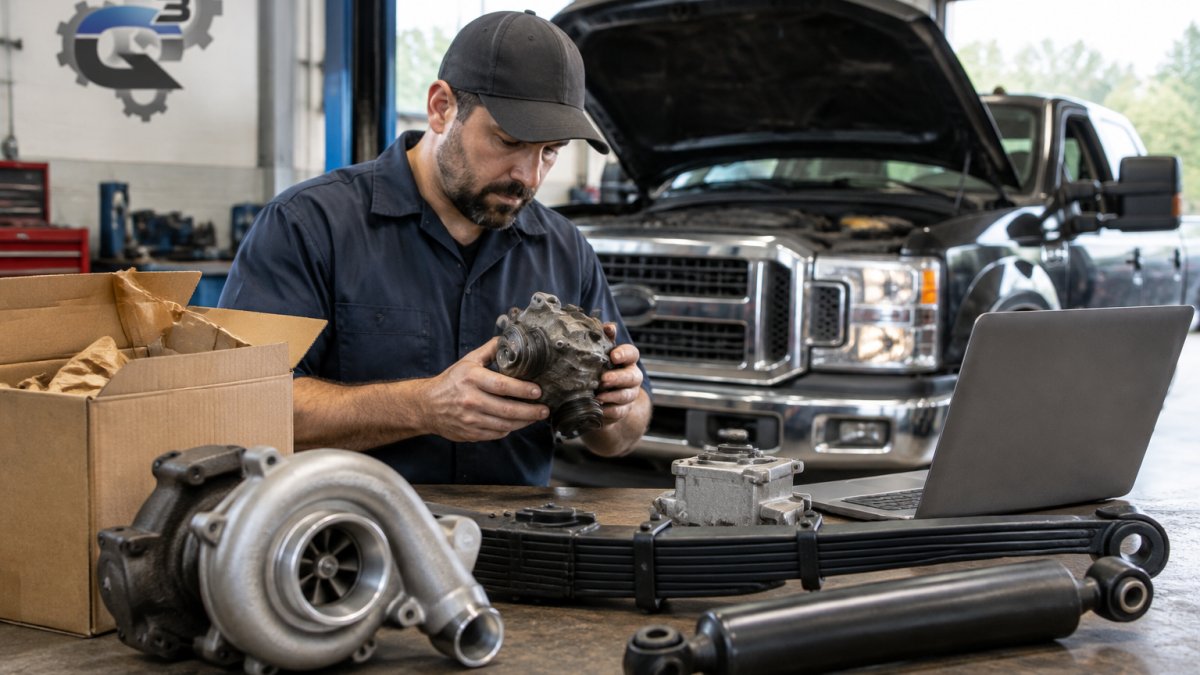
Wheels and tires. Factory-size wheels in good condition are neutral to positive; buyers see them as maintenance, not modification. Readers can see the diesel aftermarket parts offered at this shop and how they are installed.
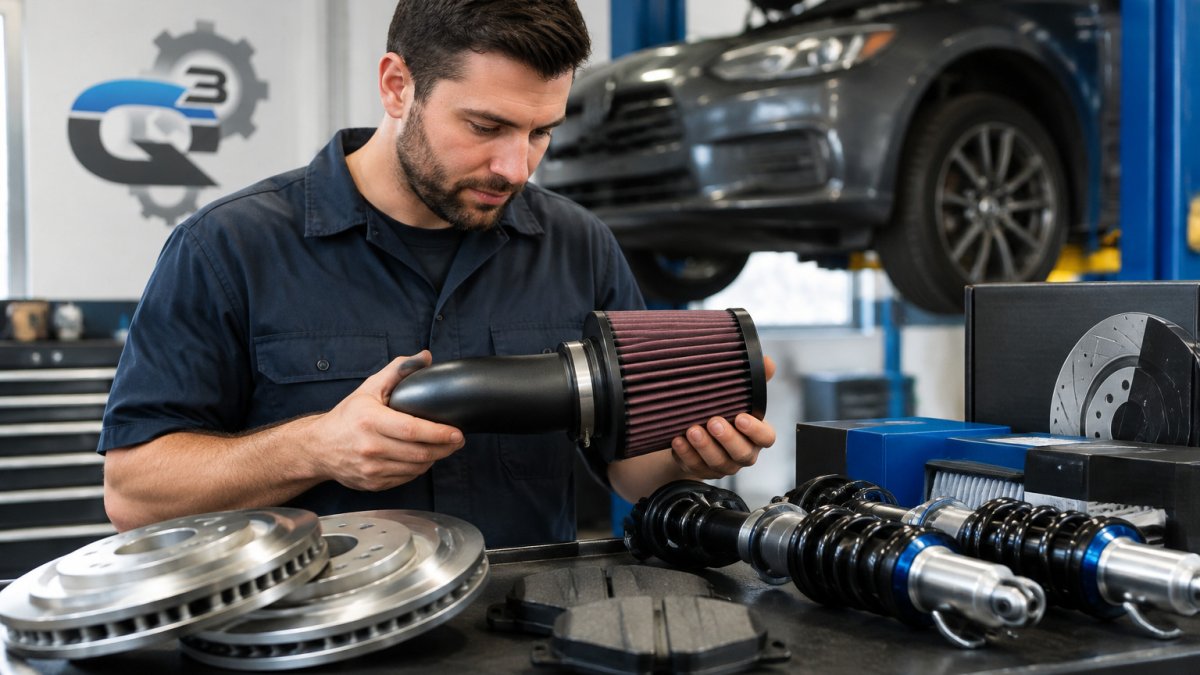
Suspension. A modest lowering kit or quality shock upgrade can appeal to an enthusiast, but it usually reduces comfort and can complicate alignment, tire wear, and clearance over speed bumps. Dealers tend to appraise lowered cars at or below stock because their retail buyer wants a factory ride.
Exhaust. A cat-back system from a reputable brand is one of the most polarizing upgrades. Enthusiasts may pay a premium; family and commuter buyers often walk away. Keep the stock exhaust if you plan to sell.
Audio and infotainment. A clean head-unit swap that retains steering-wheel controls and backup camera function is usually neutral to positive, especially in older vehicles. Cutting factory wiring, bypassing safety chimes, or leaving a hacked dash harness is a red flag.
Performance tuning and engine modifications. ECU tunes, intakes, downpipes, and turbo upgrades can void factory warranties and complicate emissions compliance. They appeal to a narrow enthusiast audience and often reduce trade-in offers because dealers cannot certify or warrant the work.
Lift kits and off-road accessories. On trucks and SUVs, a quality lift with matching gearing and documented installation can hold value in the right market. Poorly installed lifts, oversized tires without regearing, and cut fenders reduce value and raise safety concerns.
Cosmetic and protective accessories. Floor mats, cargo liners, window tint, roof racks, and remote starters are usually neutral to slightly positive because they are easy to remove and signal care.
A practical rule: if the upgrade makes the car more comfortable, safe, or useful for everyday driving, it has a better chance of keeping value.
The table below summarises how common upgrades tend to affect resale value, based on the buyer reaction and reversibility discussed above.
| Upgrade | Likely resale effect | Reversibility |
|---|---|---|
| Wheels and tires | Neutral to positive if factory-size; narrows buyers if oversized | High |
| Suspension | Often at or below stock; appeals to enthusiasts | Moderate to low |
| Exhaust | Polarizing; enthusiasts pay more, family buyers walk away | Moderate |
| Audio and infotainment | Neutral to positive if clean and documented | High |
| Performance tuning | Narrow buyer pool; can reduce trade-in offers | Low |
| Lift kits (trucks/SUVs) | Holds value if quality and documented | Moderate |
| Cosmetic accessories | Neutral to slightly positive | High |
| Custom paint, wraps, body kits | Small buyer slice; costly to reverse | Low |
OEM Parts Versus Aftermarket Parts: What Changes at Resale
OEM parts come from the original manufacturer or its supplier. Aftermarket parts come from other companies. At resale, OEM parts usually signal a car that has not been altered, which many buyers prefer.
Quality matters more than the label. Readers can compare when aftermarket parts make sense over OEM in a deeper guide. A well-made aftermarket part from a trusted brand, installed correctly, may not hurt value much. A cheap part or a poor installation almost always does.
Keep in mind that some buyers want the stock look and feel. Others want the upgrade. Knowing your likely buyer helps you decide what to keep.
Should I Keep Original Car Parts After an Upgrade?
Yes, in many cases you should keep them. Original parts let a future owner return the car to stock condition. This can matter a lot to dealers, lenders, and buyers who want a factory car.
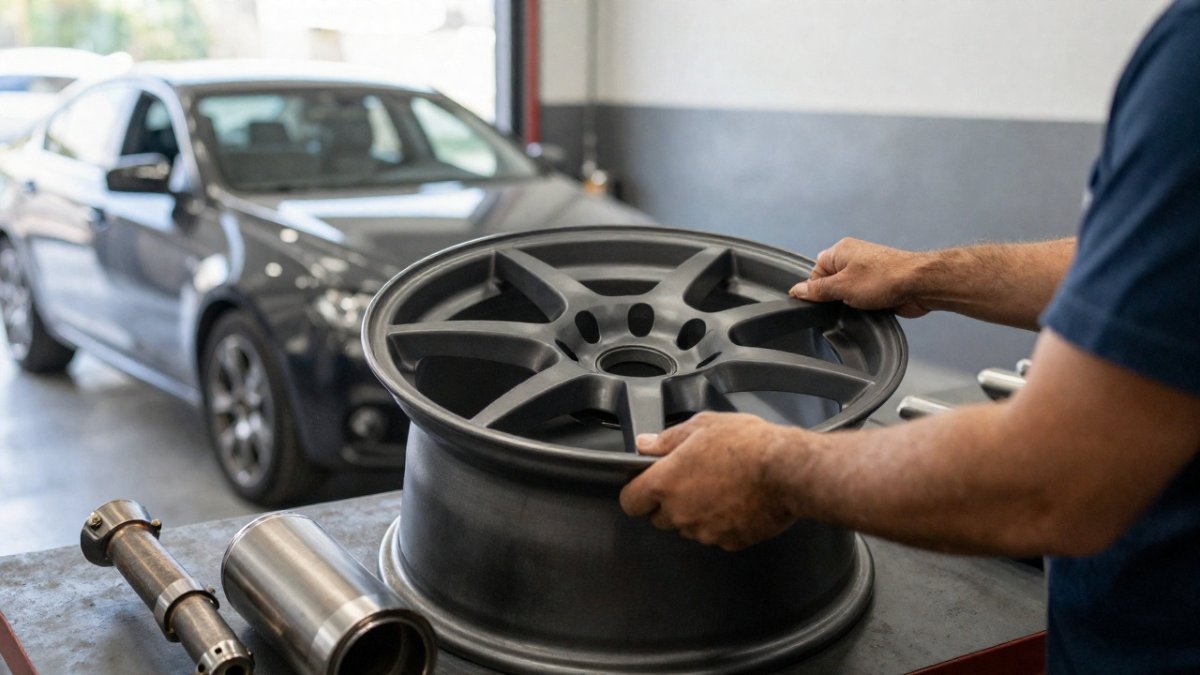
Store removed parts in a dry place, label them, and keep them with the car's records. Wheels, exhaust components, and interior trim are the most common parts to keep.
If you sell the car with the aftermarket parts still installed, you may be able to sell the original parts separately. This sometimes recovers part of the cost of the upgrade.
How to Sell a Modified Car: Trade-In Versus Private Sale
A trade-in is fast and simple, but dealers usually offer less for modified cars. Buyers can book a buyer's inspection to learn a car's condition before they purchase it. They must resell the car, and modifications narrow their pool of buyers. Expect the appraisal to focus on the factory condition.
A private sale takes more time but often brings a higher price. You can reach buyers who want the specific modifications. Be honest in your listing and include photos, receipts, and a list of all changes.
Tell buyers exactly what was done, who installed it, and whether the original parts are included. Transparency builds trust and reduces the chance of a price cut after inspection.
Kelley Blue Book Value for Modified Cars and How to Estimate Yours
Kelley Blue Book, often called KBB, publishes estimated values for used vehicles based on the stock model. KBB does not always account for aftermarket modifications, so its number is a starting point, not a final answer. The same is true of other online valuation tools: they are built around factory configurations, and most do not have a field for "aftermarket suspension" or "ECU tune."
The more useful exercise is to understand how different buyers value the same modification, because the gap between those numbers is often larger than the gap between KBB and any other tool.
Dealer appraisals. A modified car is harder to price because the dealer must find a retail buyer who wants those specific changes. In practice, dealers often value a modified car at or below stock, and sometimes deduct for the cost of returning it to factory condition. A documented, dealer-installed accessory is the exception; it is easier to certify and easier to sell.
Online valuation tools. KBB, Edmunds, and similar tools give a stock baseline. Use them to establish the floor, then adjust manually. A common pattern is to subtract for modifications that narrow the buyer pool and add only for documented, quality upgrades that a typical buyer would want.
Private-party buyers. Private buyers are the most variable group. A commuter buyer may pay stock price or less for a modified car; an enthusiast may pay a premium for the right build. The premium is rarely the full cost of the parts.
Specialist enthusiasts and collector markets. For certain models, a documented, period-correct build can add value, and original parts included with the sale strengthen the case. This is the exception, not the rule, and it depends on the model, the quality of the work, and the completeness of the records.
To estimate your car's value:
- Look up the stock value using the car's year, trim, mileage, and condition
- Subtract a discount for modifications that narrow the buyer pool
- Add value only for documented, quality upgrades that buyers want
- Check local listings for similar modified cars to compare asking prices
- Compare the trade-in offer against a private-party estimate to see which channel pays more for your specific build
Treat the result as a range. Real offers depend on the market, the buyer, and the condition of the car. Watch out: an online estimate is not an offer, and a dealer appraisal is not a commitment until it is in writing.
Preparing Your Modified Car for Sale: A Checklist to Book Before You List
Before you list a modified car, take a few steps to protect its value:
- Gather all receipts and installation records
- Consider reinstalling original parts if they are in good condition
- Get a pre-sale vehicle inspection to document the car's condition
- Clean the engine bay, wheels, and interior
- Fix any warning lights or mechanical issues
- Take clear photos of the car, including the modifications
- Write an honest listing that lists every change
A documented inspection is one of the most useful steps. You can schedule a vehicle inspection to record the car's condition before listing. It gives buyers confidence and helps you explain the car's condition clearly.
Q3 Car & Truck Repair serves car and truck owners in the Capitol Heights and Waldorf areas. If you are planning to sell or trade in a modified vehicle, request an appointment to discuss your options.
Frequently Asked Questions
Do aftermarket parts devalue a car?
Not always. Some aftermarket parts lower resale value because many buyers prefer a stock vehicle, especially loud exhausts, aggressive suspension changes, and cosmetic modifications that narrow the buyer pool. Other upgrades, such as quality wheels, tires, or a professionally installed stereo, can hold or add value when they are documented and installed well. The practical effect depends on the part, the quality of installation, whether the work is reversible, and the local market. Keeping receipts and the original parts gives a buyer confidence and often reduces the discount a dealer or private buyer applies.
Do aftermarket parts affect trade-in value?
They can. Dealership appraisers usually price a trade-in closer to a stock vehicle, so heavy modifications often reduce the offer, while modest, professionally installed parts may have little effect. Many dealers will not give full credit for modifications they cannot easily sell. If you plan to trade in, consider returning the vehicle to stock for the appraisal, and bring receipts and service records to show what was installed and by whom.
Should I remove aftermarket parts before selling my car?
It depends on what the part is and who you expect to buy. Removing a loud exhaust or an extreme suspension setup and reinstalling the factory parts often broadens your buyer pool. Keep the removed parts, since some buyers want the original components. Be aware that removing parts yourself can introduce installation problems, so have a qualified technician perform the work if you are not comfortable doing it. Selling the aftermarket parts separately can recover some of their cost.
Do modifications void a car's warranty?
A modification does not automatically void the entire factory warranty in the United States. Under the Magnuson-Moss Warranty Act, a manufacturer generally cannot deny coverage just because aftermarket parts were installed. It can deny a claim if it can show that the modification caused the failure. Keep receipts and installation records, and ask the dealer which specific coverage could be affected before you make changes.