 blog
When Should You Choose Aftermarket Over OEM Parts?
Last Updated: October 29, 2026
Quick Summary
Choose aftermarket vs OEM parts based on the component: use OEM or a top-tier brand for safety-critical items like brakes, steering, and suspension, and quality aftermarket for filters, wipers, and batteries. Compare installed cost, not just the part price, because a part that fails early adds labor and downtime.
- Use OEM or top-tier aftermarket for brakes, steering, and suspension, since failures can cause crashes.
- Quality aftermarket parts suit filters, wiper blades, and batteries, which are low-stakes and easy to replace.
- Compare total installed cost, because labor on a repeated replacement can exceed the part price difference.
- Check your warranty or lease terms before choosing, since some leases require OEM parts for certain repairs.
- Ask your technician for the installed price and the brand before authorizing any repair.
Table of Contents
- Aftermarket vs OEM Parts: The Basic Difference
- Aftermarket Car Parts Pros and Cons
- OEM vs Aftermarket Parts Cost: Looking Beyond the Sticker Price
- Aftermarket Parts Fitment and Compatibility
- Aftermarket Parts Warranty and Your Vehicle's Coverage
- A Decision Framework by Repair Type and Safety Criticality
- Booking Your Next Repair With Confidence at Q3 Car & Truck Repair
- Frequently Asked Questions
When your car or truck needs a part, you face a real choice. The manufacturer's part costs more, but it fits exactly and carries the automaker's name. An aftermarket part often costs less, and sometimes it performs just as well. Knowing when to choose aftermarket vs OEM parts saves money without risking safety. This guide walks through how to make that decision with confidence.
Aftermarket vs OEM Parts: The Basic Difference
OEM stands for original equipment manufacturer. OEM parts are made by the automaker or to its exact specifications, and they are usually sold through dealerships. Genuine parts carry the vehicle brand's logo and match the factory component exactly.
Aftermarket parts come from independent manufacturers. They are designed to fit your vehicle, but they are not made by the automaker. Quality varies widely.
The real question is not which type is better in general. It is which type fits your specific repair, budget, and safety needs.
Aftermarket Car Parts Pros and Cons
Aftermarket parts offer clear advantages. They usually cost less, and more suppliers compete for your business. Many brands also offer upgraded designs, such as performance brake pads or heavier-duty suspension components.
The trade-offs are real, though. Quality control differs between manufacturers, so one aftermarket part may last years while another fails early. Fit can also be imperfect. A part that looks correct on the box may need extra work to install.
- Pros: Lower price, wider selection, possible performance upgrades
- Cons: Uneven quality, possible fit issues, warranty terms may be shorter
A common mistake is choosing the cheapest option without checking the brand's reputation. Compare two or three well-known suppliers before deciding.
OEM vs Aftermarket Parts Cost: Looking Beyond the Sticker Price
The sticker price is only part of the cost. An aftermarket alternative might save $40 on a part, but if it wears out in half the time, you pay for the repair twice.
A useful way to compare is total cost of ownership: purchase price plus labor plus fitment adjustments plus return risk plus downtime plus expected service life. On a safety-critical repair, the part price is often only one part of the total cost, and labor and repeat visits can add up quickly.
The cost drivers that actually matter
- Purchase price. The visible number. Aftermarket parts often list lower, but the gap narrows once you compare a reputable brand against a budget one.
- Labor. Replacing a part twice doubles the labor charge. On a timing component or a brake caliper, the second installation can easily exceed the entire price difference between OEM and aftermarket.
- Fitment adjustments. A part that needs modification, shimming, or a forced fit adds shop time. That extra hour can erase the savings on a low-cost component.
- Return risk. Aftermarket return windows and restocking fees vary by supplier. A part that does not fit and cannot be returned cleanly becomes a sunk cost.
- Downtime. If a part is backordered or fails early, the vehicle sits. For a work truck or a daily commuter, downtime has a real dollar value.
- Expected service life. A part that lasts the full interval costs less per mile than a cheaper part that fails at half the interval, even when the sticker price is higher.
A simple way to run the math
Estimate the part price, add the labor to install it, then multiply by the number of times you expect to replace it over your ownership period. Compare that total against the OEM option installed once. For a cabin air filter, the cheaper option usually wins because labor is low and the part is easy to reach. For a component tied to engine or brake performance, the calculation often flips because the second installation is expensive and inconvenient.
Pricing for specific parts depends on your vehicle, the brand, and current availability. Contact Q3 Car & Truck Repair for a quote on your repair.
Aftermarket Parts Fitment and Compatibility
Fitment is where many aftermarket repairs go wrong. OEM parts are engineered for your exact year, make, and model. Aftermarket parts are often designed to fit a range of vehicles, which can leave small gaps in precision.
Check the part number against your vehicle's specifications before ordering. A reliable shop verifies compatibility during installation. A forced fit, where a part must be bent or modified to work, is a warning sign.
Older vehicles and trucks with aftermarket modifications may have more fitment variation. Plan extra time for installation if your vehicle has had prior repairs.
Aftermarket Parts Warranty and Your Vehicle's Coverage
Warranty coverage matters more than many drivers expect. OEM parts typically carry the automaker's warranty, and dealerships honor it. Aftermarket warranties vary by manufacturer, and some are limited to a set number of months or miles.
Using aftermarket parts does not automatically void your vehicle's warranty (the FTC). Under U.S. federal law, the Magnuson-Moss Warranty Act generally limits a manufacturer's ability to deny warranty coverage solely because aftermarket parts were used (the FTC).
If your vehicle is leased, check the lease agreement first. Some leases require OEM parts for certain repairs.
A Decision Framework by Repair Type and Safety Criticality
The right choice depends on what is being repaired and how much a failure would matter. Use this framework as a starting point, then confirm with your technician.
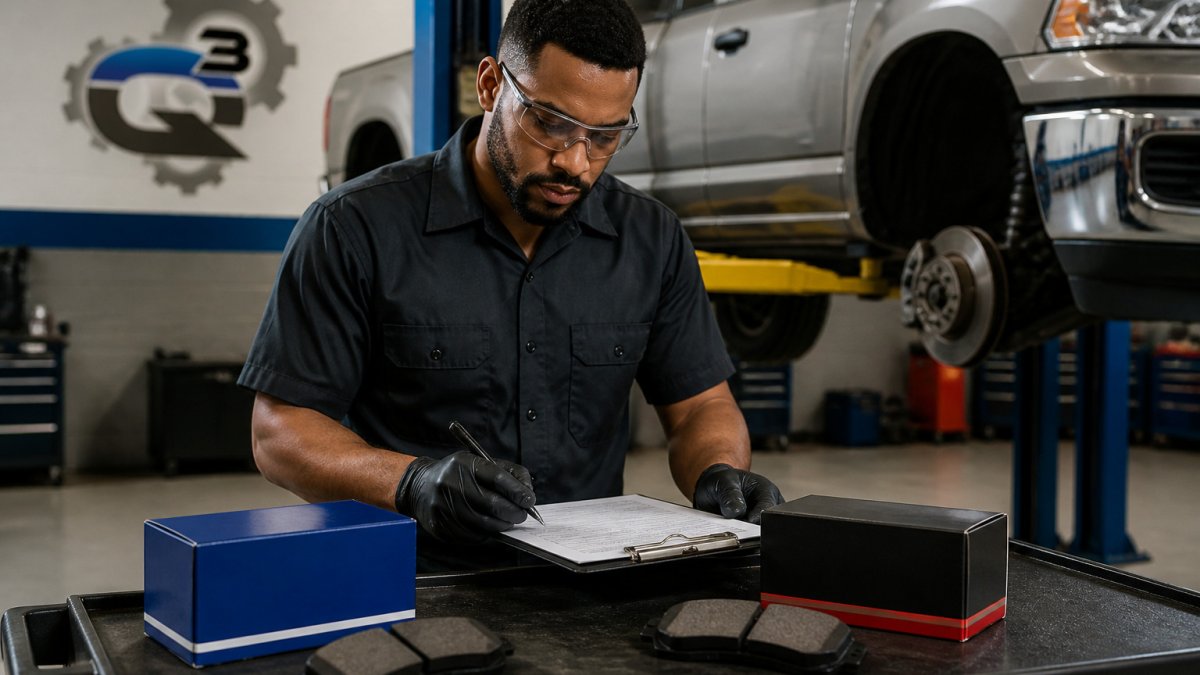
The matrix by component
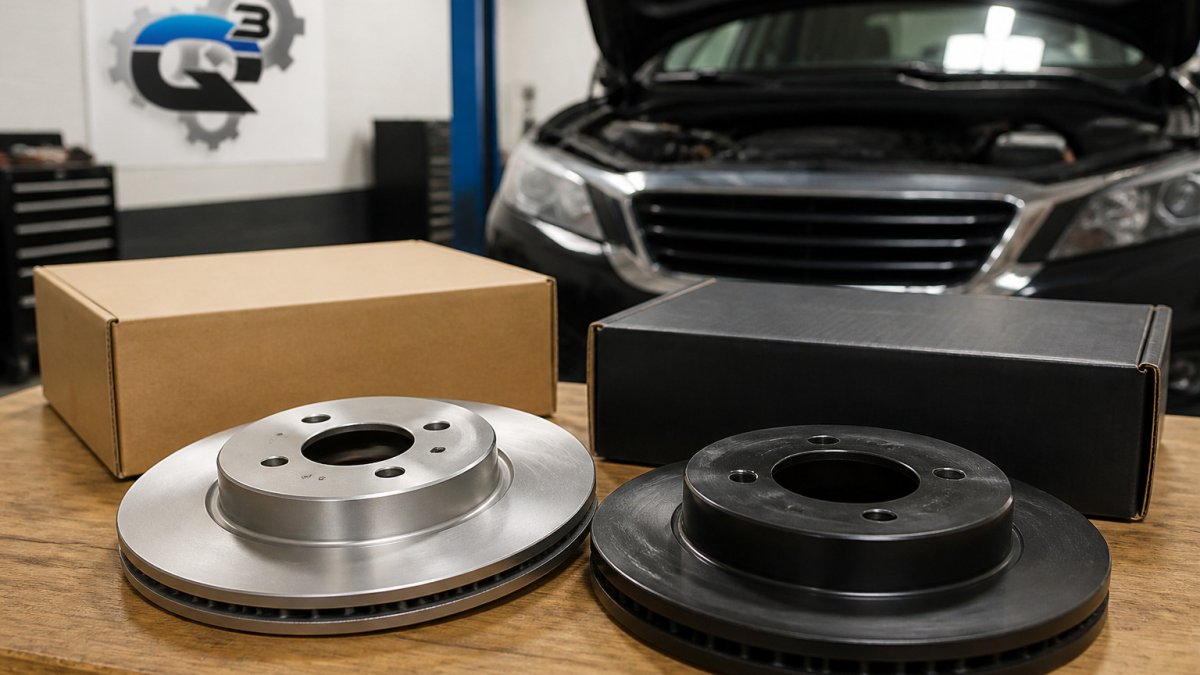
- Brakes (pads, rotors, calipers, lines). Safety-critical. A failure can cause a crash. OEM or a top-tier aftermarket brand with documented testing is the safer call. Avoid unbranded budget pads and rotors.
- Steering and suspension (tie rods, ball joints, control arms, struts). Safety-critical. These parts carry the vehicle's weight and steering input. OEM or a reputable aftermarket brand with a clear warranty is preferred.
- Engine internals (timing components, bearings, pistons). Safety-critical and expensive to redo. OEM or a brand with a strong track record on your specific engine family.
- Electronics and sensors. Often best with OEM because they must communicate precisely with other systems. A mismatched sensor can trigger warning lights or disable features.
- Body and collision parts (bumpers, fenders, mirrors). Fit and finish matter more than mechanical function. Quality aftermarket is common, but check insurer and lease rules first.
- Cosmetic and routine (filters, wiper blades, batteries, some suspension wear items). Quality aftermarket usually makes sense. These are low-stakes and easy to replace.
When OEM is the safer call
Choose OEM parts for safety-critical components where a failure could cause a crash or serious injury. Brakes, steering, and suspension parts fall into this category. Engine timing components and airbag systems also deserve factory-grade parts. Complex electronics and sensors often work best with OEM parts because they must communicate precisely with other vehicle systems. If you drive a newer vehicle still under warranty, OEM parts usually protect your coverage most cleanly.
When quality aftermarket makes sense
Aftermarket parts make sense for many routine repairs. Filters, wiper blades, batteries, and some suspension components from established brands often perform well at a lower price. For older vehicles where OEM parts are scarce or expensive, reputable aftermarket options keep the car running reliably. Look for brands with strong track records, clear warranties, and positive reviews from mechanics.
Insurance, collision repairs, and lease constraints
After a collision, the choice is often not entirely yours. Insurers may specify aftermarket or recycled parts to control cost, and many states require disclosure when non-OEM parts are used in a repair. Review your policy and ask the shop what will be installed before work begins.
If your vehicle is leased, check the lease agreement first. Some leases require OEM parts for certain repairs and may charge at return for non-compliant parts. When in doubt, get the requirement in writing before authorizing the repair.
A quick decision checklist
- Is the part safety-critical? If yes, lean OEM or top-tier aftermarket.
- Is the vehicle under warranty or lease? If yes, check the terms before choosing.
- Is the repair part of an insurance claim? If yes, confirm the insurer's part policy and disclosure rules.
- How many times will you replace it over your ownership period? If more than once, compare installed cost, not sticker price.
- Does the aftermarket brand have a clear warranty and a strong track record? If not, skip it.
Ask your technician which aftermarket brands they recommend for your specific vehicle.
The right choice depends on the component and how much a failure would matter, as summarised below.
| Component | Recommended part | Reason |
|---|---|---|
| Brakes (pads, rotors, calipers, lines) | OEM or top-tier aftermarket | Safety-critical; a failure can cause a crash |
| Steering and suspension | OEM or reputable aftermarket | Carries vehicle weight and steering input |
| Engine internals (timing, bearings) | OEM or proven brand for your engine | Safety-critical and expensive to redo |
| Electronics and sensors | Often OEM | Must communicate precisely with other systems |
| Body and collision parts | Quality aftermarket common | Fit and finish matter more than function |
| Filters, wipers, batteries | Quality aftermarket | Low-stakes and easy to replace |
Booking Your Next Repair With Confidence at Q3 Car & Truck Repair
Choosing between aftermarket and OEM parts is easier when a trusted technician explains your options. At Q3 Car & Truck Repair, we focus on clear explanations and straightforward estimates, so you know what to expect. Whether you drive a truck or a daily commuter car, we can help you weigh your options for your budget and safety needs.
Frequently Asked Questions
What does OEM stand for when buying parts?
OEM stands for original equipment manufacturer. OEM parts are made by the company that built your vehicle or by a supplier producing to the automaker's specifications, and they are typically sold through dealerships under the automaker's branding. Genuine parts carry the same manufacturer branding and are usually sold through dealer parts counters. Aftermarket parts are made by independent companies that may match, improve on, or simply imitate the original design. Knowing this helps you ask the right question when a repair quote lists a part by type rather than brand.
Are aftermarket parts as reliable as OEM parts?
It depends on the part and the manufacturer. Many aftermarket components, such as filters, batteries, and brake pads from established brands, meet or exceed original specifications. Lower-cost aftermarket parts from unknown suppliers can vary widely in materials and manufacturing consistency. For safety-critical components, such as steering, suspension, and braking parts, it is worth choosing reputable brands and confirming they meet recognized quality standards. Your technician can recommend specific brands they have seen perform well over time.
Do aftermarket parts affect a vehicle's warranty?
Under the federal Magnuson-Moss Warranty Act, a manufacturer generally cannot void your vehicle warranty just because you used aftermarket parts. The manufacturer must show that the aftermarket part caused the failure you are claiming. Keep records of any aftermarket parts installed and the professional service performed, and ask your service provider to note part brands on invoices. If a warranty dispute arises, documented maintenance and part specifications make your position much stronger.
How can you tell whether an aftermarket part will fit your vehicle?
Start with your vehicle's year, make, model, engine size, and trim, then match the part number against the manufacturer's fitment catalog or a trusted parts database. Compare the part's dimensions, mounting points, and connectors with the original, and ask your technician whether it is a direct replacement or requires modification. A part that almost fits may cause vibration, premature wear, or electrical problems, so confirming fitment before installation prevents costly rework.
Ready to get your vehicle the right parts and expert attention? Request an appointment with Q3 Car & Truck Repair today. Our skilled technicians will explain your options clearly and keep your repair on track.