 listicle
Best Independent Auto Repair Shops: How to Choose
Table of Contents
- What Makes the Best Independent Auto Repair Shops Stand Out
- Signs of a Trustworthy Auto Repair Shop
- Questions to Ask a Mechanic Before Repair
- Independent Mechanic Hourly Rates and Pricing Transparency
- Services Offered by Independent Mechanics
- How to Verify Shop Credentials and Licenses
- Common Automotive Repair Warning Signs
- Finding the Best Independent Auto Repair Shops for Your Needs
Last Updated: August 23, 2026
What Makes the Best Independent Auto Repair Shops Stand Out
Finding a trustworthy independent auto repair shop can feel like searching for a needle in a haystack. The stakes are high, your vehicle's reliability and your wallet depend on it. At Q3 Car & Truck Repair, we understand what separates shops that truly care from those just chasing the next job. The difference comes down to transparency, expertise, and a genuine commitment to honest service.
Independent auto repair shops have earned their reputation as the backbone of vehicle maintenance in communities across the country. Unlike dealerships that push proprietary parts and inflated service menus, the best independent mechanics prioritize your vehicle's actual needs. They build their business on repeat customers and referrals, not corporate quotas.
Why Independent Mechanics Matter
Independent mechanics operate on a different model than dealerships. They invest in their reputation locally, which means cutting corners isn't an option. A single negative experience spreads through word-of-mouth faster than any advertising campaign can recover. This creates natural accountability that benefits you.
The best independent shops employ technicians who've chosen their profession because they love solving problems. Many have spent years mastering specific vehicle types or repair specialties, often exceeding the knowledge found at larger operations.
Independent Shops vs. Dealership Service Centers
Dealerships excel at warranty work and recalls on newer vehicles. But for preventative maintenance, complex diagnostics on older vehicles, and straightforward repairs, independent shops typically deliver better value. Dealerships charge premium labor rates and often require OEM parts, even when aftermarket components would perform identically. Independent shops can source quality aftermarket components at lower costs without sacrificing reliability.
The real advantage of independent mechanics emerges over time. They know your vehicle's history, understand its quirks, and develop a relationship with you as a customer. They're invested in keeping you on the road, not in selling you services you don't need.
Signs of a Trustworthy Auto Repair Shop
Identifying a reliable shop before you hand over your keys requires knowing what to look for.
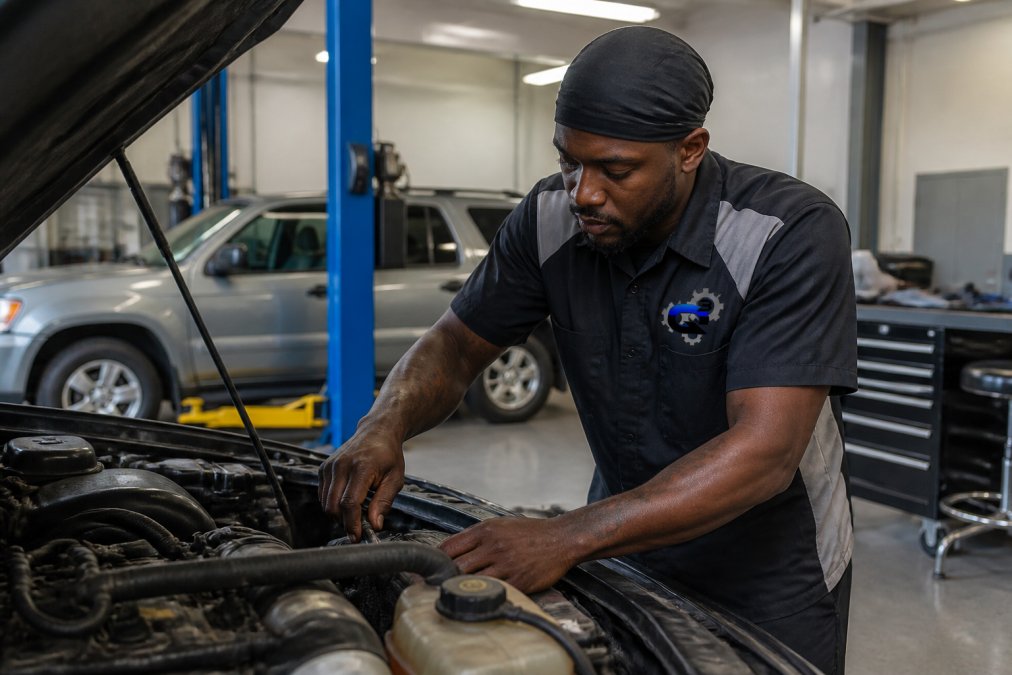
ASE-Certified Technicians and Shop Accreditation
ASE certification matters more than most car owners realize. An ASE-certified technician has passed rigorous exams covering engine repair, transmission, brakes, electrical systems, and more (ase.com). This certification requires both hands-on experience and demonstrated knowledge.
Look for shops where most technicians carry current ASE certifications. Some shops also pursue additional accreditations through organizations that validate their commitment to quality and ethical practices. These accreditations often include ongoing training requirements and adherence to service standards.
Transparent Communication and Written Estimates
A trustworthy shop explains what's wrong with your vehicle before recommending repairs. They provide written estimates that break down labor costs, parts costs, and the specific work involved. The best shops offer digital diagnostic transparency, showing you what the diagnostic scan revealed and explaining it in plain language.
A written estimate should include the diagnostic fee, itemized repair costs, and expected turnaround time. Reputable shops contact you before exceeding the estimate by more than 10-15%, giving you the chance to approve additional work.
Customer Testimonials and Service Warranty
Customer reviews reveal patterns that single conversations can't. Read recent reviews across multiple platforms, looking for consistency. Pay attention to how shops respond to negative reviews, defensive responses are red flags, while thoughtful replies suggest they take feedback seriously.
A service warranty demonstrates confidence in the work performed. Most independent shops warrant their repairs for 12 months or 12,000 miles, whichever comes first (nhtsa.gov). This warranty covers both parts and labor.
Questions to Ask a Mechanic Before Repair
Asking the right questions before authorizing work separates informed customers from those who simply hope for the best.
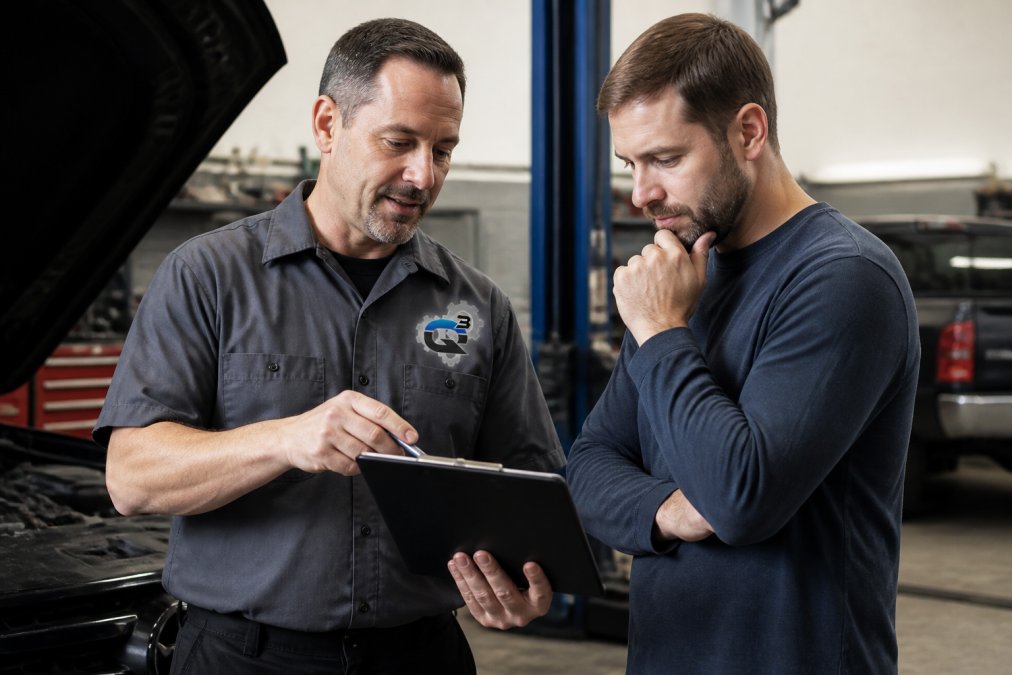
Understanding the Diagnostic Scan and Repair Estimate
Start by asking what the diagnostic scan revealed. A thorough diagnostic scan reads your vehicle's onboard computer systems and identifies fault codes (peer-reviewed research). Ask the mechanic to explain what each code means and why it requires the recommended repair.
Request an itemized estimate that shows labor hours, hourly rate, parts costs, and total. Ask which parts they'll use, OEM or aftermarket, and why. Ask about the diagnostic fee, many shops charge for diagnostics, though some waive this if you approve the recommended repairs.
Parts Sourcing and Warranty Coverage
Understanding where parts come from and what warranties cover them matters significantly. Ask whether they use OEM parts, aftermarket parts, or a mix. Quality aftermarket parts from established manufacturers perform reliably and cost less.
Ask specifically what's covered under the repair warranty. Does it cover the part, the labor, or both? How long does it last? What's the process if something fails during the warranty period? For transmission services, brake work, and electrical repairs, ask about the specific parts being used and their warranty coverage.
Independent Mechanic Hourly Rates and Pricing Transparency
Labor costs vary based on shop location, technician experience, and the complexity of work. Understanding how rates work helps you evaluate whether you're getting fair pricing.
How Labor Rates Compare Across Shops
Independent shops typically charge less per hour than dealerships, though rates vary widely. A shop's rate reflects its overhead, technician expertise, and local market conditions. When comparing rates, ask what's included, some shops include diagnostic time in repair labor; others charge separately.
The cheapest shop isn't always the best value. A shop charging significantly less than competitors might be cutting corners on quality or rushing jobs. The goal is fair pricing from a shop with a track record of quality.
Getting Fair Repair Estimates
Obtain estimates from multiple shops for significant repairs. This gives you a baseline for pricing and lets you compare approaches. Ask shops to explain any significant price differences. Are they using different parts? Charging different labor rates? Including different services?
Services Offered by Independent Mechanics
The best independent shops develop expertise across common repairs while often specializing in specific areas.
Preventative Maintenance and Engine Diagnostics
Preventative maintenance keeps vehicles running reliably and extends their lifespan. Regular oil changes, fluid flushes, filter replacements, and inspections catch problems before they become expensive repairs. The best shops emphasize preventative care and maintain detailed service records tracking your vehicle's maintenance history.
Engine diagnostics involve reading fault codes, performing visual inspections, and sometimes running specialized tests. A shop with quality diagnostic equipment and experienced technicians can often pinpoint issues quickly, saving you money on trial-and-error repairs.
Specialized Services: Transmission, Brake, and Electrical Work
Some independent shops specialize in specific repair areas. Transmission services require specialized knowledge and equipment. Brake system repair demands precision and quality parts because safety depends on it. Electrical system troubleshooting requires diagnostic skills and understanding of modern vehicle electronics.
Ask whether a shop regularly handles the specific repair your vehicle needs. A shop that specializes in transmission work will likely do a better job and finish faster than a generalist shop.
Emergency Roadside vs. Scheduled Maintenance
Some independent shops offer emergency roadside support or accommodate urgent repairs quickly. Ask about their availability for emergency situations and how quickly they can typically get you in for urgent repairs. Scheduled maintenance should be easier to arrange, with convenient scheduling options.
How to Verify Shop Credentials and Licenses
Before trusting a shop with your vehicle, verify they're legitimate and properly credentialed.
Checking for Proper Licensing and Insurance
Every legitimate repair shop must hold proper business licenses and carry liability insurance. Verify that the shop's business license is current by checking with your state's business registration office. Ask to see proof of liability insurance, legitimate shops display this readily.
Some states require auto repair shops to be registered with consumer protection agencies. Check whether your state maintains a registry and whether the shop appears on it. Ask whether the shop carries workers' compensation insurance, which protects their employees and indicates they're operating legitimately.
Understanding Service Records and Shop Accreditation
Reputable shops maintain detailed service records for every vehicle they work on. Digital records are preferable to paper because they're easier to access and harder to lose. Your service history becomes valuable documentation if disputes arise.
Some shops pursue voluntary accreditation through industry organizations. While not required, accreditation signals commitment to professional standards.
| Credential Type | What It Means | How to Verify |
|---|---|---|
| ASE Certification | Technician passed rigorous exams in specific repair areas | Check ASE's website for certified technicians |
| Business License | Shop is registered and operating legally | Contact state business registration office |
| Liability Insurance | Shop carries coverage for customer protection | Ask to see current insurance certificate |
| Shop Accreditation | Meets industry standards and oversight requirements | Check relevant industry organization's website |
Common Automotive Repair Warning Signs
Certain red flags indicate a shop or mechanic isn't trustworthy. Learning to recognize these warning signs protects you from poor service and unnecessary repairs.
Vehicle Inspection Red Flags
Be cautious if a shop recommends major repairs without performing a thorough vehicle inspection. Reputable shops visually inspect vehicles, test systems, and sometimes perform diagnostic scans before making recommendations.
Watch for shops that immediately recommend expensive repairs without explaining why they're necessary. A trustworthy mechanic explains the problem, shows you evidence, and discusses why the repair matters. Shops that pressure you into immediate decisions are showing red flags, legitimate shops give you time to consider recommendations, especially for expensive repairs.
When to Seek a Second Opinion
A second opinion is appropriate for major repairs, especially transmission work, engine repairs, or electrical system overhauls. Getting a second diagnostic from another shop might cost money, but it's cheap insurance against expensive mistakes.
If one shop recommends repairs that seem excessive compared to your vehicle's symptoms, seek a second opinion. If you're uncomfortable with a shop's explanation or feel pressured, that's reason enough to get another perspective.
Finding the Best Independent Auto Repair Shops for Your Needs
Choosing the right shop requires matching your vehicle's needs with a shop's expertise and reliability.
Specialization by Vehicle Make and Model
Some independent shops specialize in specific vehicle makes, Volkswagens, Hondas, Jeeps, or trucks. Specialization means deeper expertise with that vehicle's common issues, quirks, and systems. Ask whether a shop has experience with your vehicle's year, make, and model. How many similar vehicles have they serviced?
For fleet owners managing multiple vehicles, finding a shop comfortable handling your specific vehicles matters. Q3 Car & Truck Repair specializes in cars and trucks across various makes and models, building relationships with customers managing ongoing fleet maintenance. Consistency in technician expertise and service quality becomes increasingly important as your fleet grows.
Evaluating Customer Satisfaction and Turnaround Time
Customer satisfaction ratings reveal how consistently a shop delivers quality service. Look for shops with strong ratings across multiple review platforms. Pay attention to how they handle complaints, shops that respond professionally to criticism show they care about customer experience.
Ask about typical turnaround times for common repairs. A shop that can handle routine maintenance quickly demonstrates efficiency. Read customer reviews specifically mentioning communication and transparency, as these factors often matter more than price in determining satisfaction.
Choosing the right independent auto repair shop transforms your vehicle ownership experience from stressful to manageable. The best shops combine technical expertise with genuine customer care. Q3 Car & Truck Repair embodies these principles, offering transparent communication, straightforward estimates, and quality workmanship backed by highly skilled technicians. When you need reliable automotive service, experience the difference that commitment to honest and reliable service makes. Request Appointment with Q3 Car & Truck Repair today and discover why local vehicle owners trust us with their cars and trucks.
Frequently Asked Questions
Q: Are independent auto repair shops cheaper than dealerships?
Independent auto repair shops typically offer competitive pricing compared to dealerships, though costs depend on the specific repair and shop location. Independent mechanics often have lower overhead expenses, which can translate to more affordable labor rates. However, price alone shouldn't drive your decision. Focus on finding a trustworthy shop with transparent estimates, ASE-certified technicians, and strong customer testimonials. Request a repair estimate before authorizing work to compare fairly.
Q: What questions should I ask a mechanic before repair?
Before authorizing any repair, ask: What is the specific problem and how did you diagnose it? What parts will you use (OEM or aftermarket)? How long will the repair take? What is the total cost including labor and parts? What warranty covers the work? Is this repair necessary now or can it wait? Can I see the diagnostic scan results? A trustworthy mechanic will answer all these clearly and provide a written estimate. Never feel pressured to approve work you don't understand.
Q: How much does an independent mechanic charge per hour?
Independent mechanic hourly rates vary widely depending on location, shop specialization, and technician experience. Your best approach is to get written estimates from multiple shops for your specific repair. Compare the total cost, not just hourly rates, since a more experienced technician may complete work faster. Always ask for a detailed breakdown of labor charges in your repair estimate.
Q: What red flags should I watch for when choosing an auto repair shop?
Red flags include: mechanics who push unnecessary repairs without clear explanations, shops that won't provide written estimates upfront, lack of ASE-certified technicians or shop accreditation, poor customer reviews mentioning dishonest practices, refusal to show diagnostic scan results, shops without proper licensing or insurance, and pressure to use only OEM parts without discussing aftermarket alternatives. Trustworthy shops communicate transparently, encourage questions, and provide service records documenting all work completed on your vehicle.
Q: Do independent shops honor manufacturer warranties?
Independent shops cannot provide manufacturer warranties, but they do offer their own service warranty on repairs they perform. A reputable independent shop will warranty their workmanship and parts for a specific period (commonly 12 months or 12,000 miles). However, using an independent mechanic for repairs won't void your vehicle's manufacturer warranty, that's illegal under the Magnuson-Moss Warranty Act. You can use independent shops and keep manufacturer coverage intact. Always ask what warranty the shop provides on completed repairs and get it in writing.
This article was written using GrandRanker