 how-to
Repairing Older Truck Models Reliably: A Practical Guide
Table of Contents
- Assess Your Truck's Condition Before Starting Repairs
- Best Older Trucks to Restore for Beginners
- Essential Garage Tools for Truck Restoration
- Repair vs. Replace: Making the Right Decision
- Preventative Maintenance Schedule for High-Mileage Trucks
- Sourcing Reliable Parts for Discontinued Models
- Common Mistakes to Avoid When Restoring Older Trucks
- Conclusion
Last Updated: August 16, 2026
Assess Your Truck's Condition Before Starting Repairs
Before touching a wrench, diagnose the real problems. Most people jump straight to fixes without knowing whether they're addressing symptoms or root causes, leading to unnecessary part replacement and missed underlying issues.
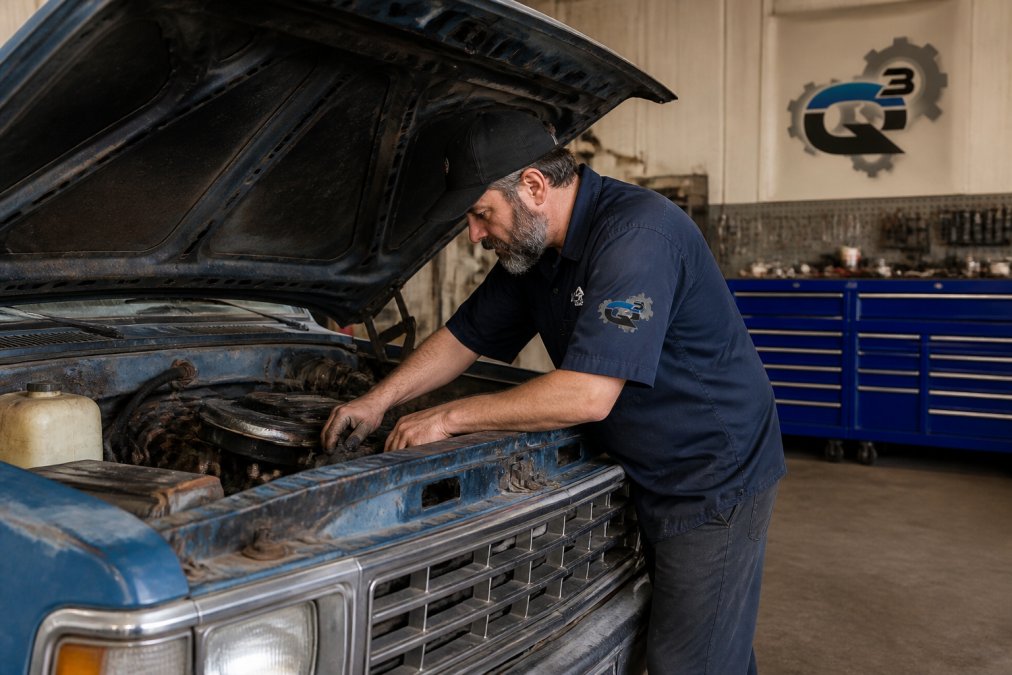
Start with a visual inspection. Walk around the truck looking for rust, fluid leaks, worn hoses, cracked belts, and loose connections. Open the hood and examine the engine bay systematically. Check fluid levels and condition, dark, gritty oil suggests neglect; milky coolant indicates water contamination. These visual clues reveal whether the truck has been maintained or ignored.
Identifying Common Mechanical Failure Points
Older trucks fail predictably. The fuel system is often the first casualty on high-mileage vehicles. Carburetors gum up from stale fuel. Fuel lines crack and weep. Tanks rust from the inside out. If your truck stumbles on cold starts or hesitates during acceleration, the fuel system deserves immediate attention.
The drivetrain takes constant stress. Listen for grinding noises, clunking sounds, or vibrations traveling through the chassis, these are warnings, not quirks. Suspension components wear faster on older trucks. Worn ball joints, tie rods, and bushings create safety issues.
Electrical gremlins plague older vehicles. Corroded battery terminals prevent proper charging. Alternators fail silently. Wiring harnesses crack and short. Vacuum leaks are sneaky culprits causing rough idle and poor fuel economy. Trace vacuum lines methodically; a single crack causes multiple symptoms.
Using OBD-II Diagnostics on Older Trucks
An OBD-II scanner reads fault codes and provides real-time data from engine sensors, invaluable for pinpointing problems visual inspection can't reveal. Connect the scanner to the diagnostic port under the dashboard and read any stored codes. A code like P0300 (random misfire) points to ignition, fuel, or compression issues. P0171 (system too lean) suggests fuel delivery problems or vacuum leaks. Treat codes as starting points, not definitive diagnoses.
Use the live data stream to watch sensor readings while the engine runs. Abnormal values reveal which component isn't performing correctly. This data-driven approach beats guessing and identifies many issues in minutes.
Best Older Trucks to Restore for Beginners
Not all older trucks are equally good candidates for restoration. Look for trucks built in the 1980s and 1990s, old enough to be affordable, recent enough that parts availability is reasonable. Avoid vehicles with catastrophic rust or frame damage. Check the frame carefully; rust that penetrates the frame compromises structural integrity and safety.
Mechanical Simplicity vs. Modern Electronics
The best trucks for beginners have mechanical simplicity. Carburetors are easier to understand and maintain than fuel injection. No computer modules to replace. Older ignition systems are straightforward. Mechanical transmissions are more forgiving than electronic ones.
That said, don't automatically reject trucks with fuel injection or electronic controls. Modern electronics are more reliable than older mechanical systems. Choose based on your skill level and patience. If you're comfortable with electronics and have diagnostic tools, a fuel-injected truck is fine. If you prefer mechanical systems you can understand completely, stick with carburetors and simple ignition.
Parts Availability and Long-Term Value
Before committing to a truck, verify parts availability. Trucks from major manufacturers, Ford, Chevrolet, Dodge, have extensive aftermarket support. Parts are cheap and abundant. Toyota and Nissan trucks also have good availability. Check online forums and parts suppliers for common replacement items: water pumps, alternators, fuel pumps, gaskets. If searches turn up nothing or prices are astronomical, reconsider.
Essential Garage Tools for Truck Restoration
You don't need a fully equipped shop, but certain tools are non-negotiable. Start with basics: a quality socket set, wrenches, screwdrivers, pliers, and a torque wrench. A floor jack and jack stands are essential for safety. Never work under a truck supported only by a jack. Get a good work light.
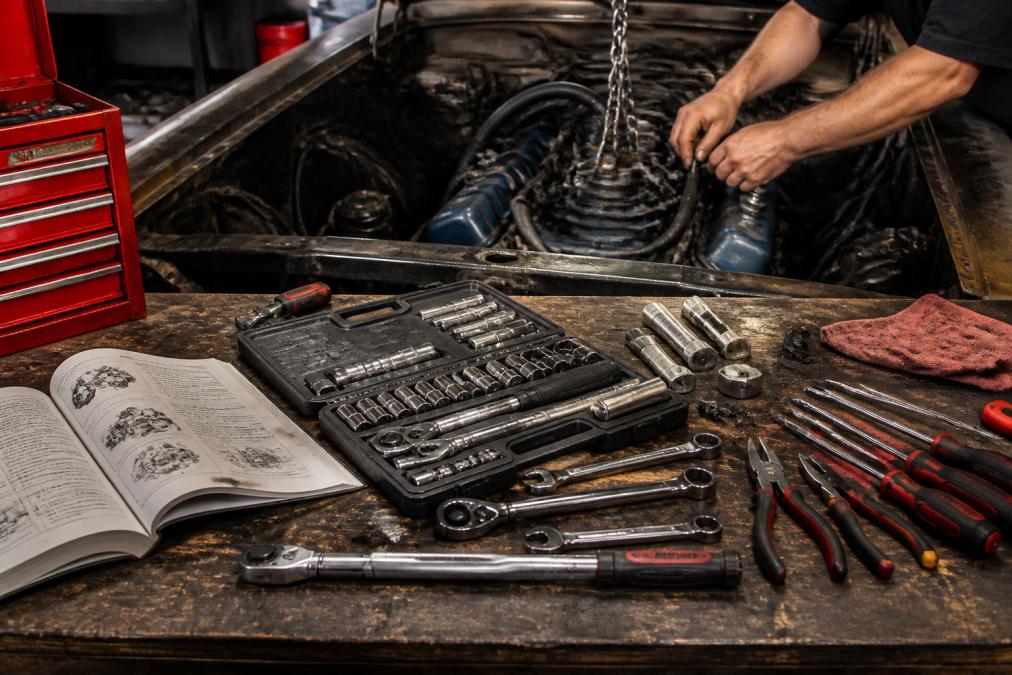
A socket set should include metric and standard sizes from 8mm to 1 inch, with both shallow and deep sockets. A breaker bar helps break loose stuck fasteners. An impact wrench saves time and reduces hand strain. A torque wrench ensures fasteners are tightened to specification.
Specialty tools depend on what you're working on: a carburetor rebuild kit, compression tester, fuel pressure gauge, vacuum gauge, multimeter, and OBD-II scanner. Get a service manual for your specific truck. Factory manuals contain torque specifications, adjustment procedures, and wiring diagrams. Online sources often have PDFs.
Repair vs. Replace: Making the Right Decision
Not every broken component deserves repair. The decision hinges on cost, availability, and time. A failed alternator might cost $150 to replace or $80 to rebuild, but rebuilding takes time and carries risk. If replacement is affordable and readily available, replace it.
Cost-Benefit Analysis for Aging Trucks
Calculate the true cost of repair, including your time or labor costs. A $300 repair taking 20 hours costs more than a $200 replacement taking 2 hours. Consider whether the repair extends the truck's useful life meaningfully. Ask yourself: How long do I plan to keep this truck? If you're selling it in a year, minor cosmetic work matters less than mechanical reliability. If repairs consistently exceed 50% of the truck's market value, you're fighting a losing battle.
Safety-First Restoration Priorities
Some repairs are urgent because they affect safety. Brakes, steering, and suspension are non-negotiable. A truck with failing brakes or worn suspension components is dangerous. Fix these first. Tires matter too. Worn or damaged tires compromise traction and handling.
Rust affecting structural integrity deserves priority. Surface rust is cosmetic. Rust penetrating load-bearing components is a safety issue. Electrical systems affecting starting, charging, or lighting are important. Engine reliability comes next. Focus on fuel system, ignition system, and cooling system reliability before worrying about performance or appearance.
Preventative Maintenance Schedule for High-Mileage Trucks
High-mileage trucks need consistent attention. Regular fluid changes are the foundation. Oil changes every 3,000 to 5,000 miles keep the engine protected. Transmission fluid degrades over time; change it every 30,000 to 60,000 miles. Coolant protects against corrosion and freezing. Brake fluid absorbs moisture; change it every 2 years.
Check filters regularly. Air filters clog and restrict airflow. Fuel filters trap sediment and water. Replace them when visibly dirty. Spark plugs wear out; replace them every 30,000 to 50,000 miles. Battery terminals corrode; clean them regularly. Test battery condition annually and replace every 3 to 5 years.
Fuel System, Carburetor, and Drivetrain Care
The fuel system needs regular attention. Stale fuel gums up carburetors. Use fresh fuel and consider fuel stabilizer if the truck sits. Carburetor rebuild kits are inexpensive. Rebuilding every few years prevents stumbling and hard starts.
Fuel filters trap water and sediment; replace them regularly. Fuel lines crack and weep, a leaking fuel line is a fire hazard. Replace damaged lines immediately. The drivetrain needs fluid changes. Fresh fluid restores protection and dissipates heat better than degraded fluid.
Check driveshaft U-joints for wear. They'll clunk or vibrate when failing. Replace them before they break completely. Engine belts and hoses degrade from heat and age. A cracked hose can fail suddenly and overheat the engine. A worn serpentine belt can break and leave you stranded.
Rust Mitigation and Frame Integrity Checks
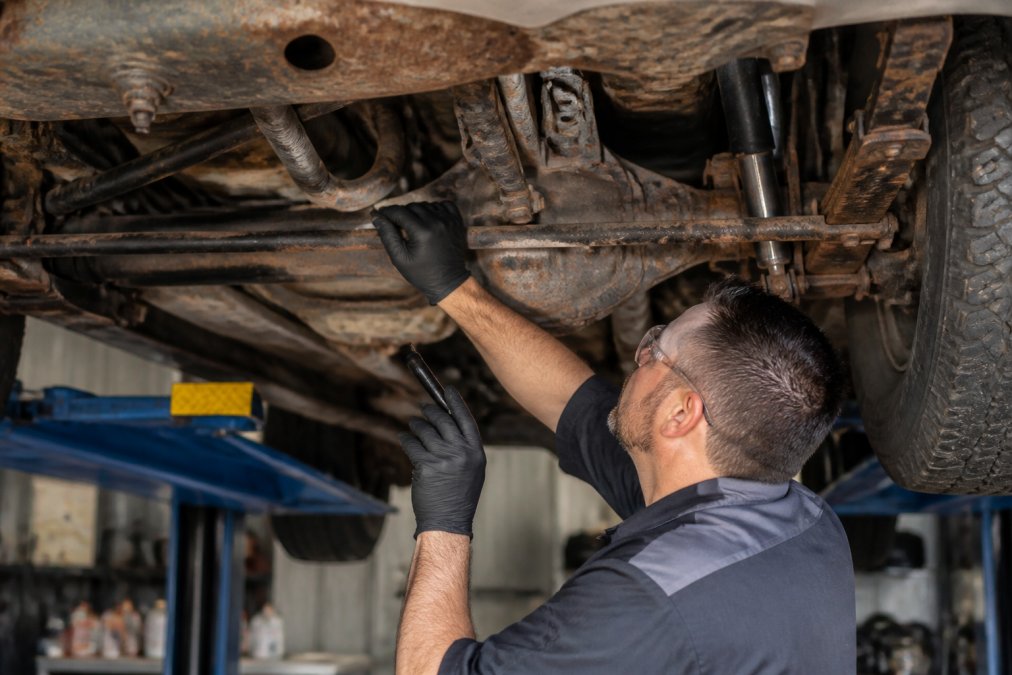
Rust is the enemy of older trucks. Inspect the frame regularly, looking underneath for corrosion. Check door sills, floor pans, and bed rails. Surface rust can be managed with wire brushes and paint. Deep rust penetrating metal is a problem.
Undercoating protects against rust. Apply it to the undercarriage, frame, and suspension components. Keep the truck clean. Salt and dirt accelerate rust. Wash it regularly, especially in winter, and dry it thoroughly. Store it in a garage if possible. Inspect welds and joints where rust starts. Treat any rust spots immediately before they spread.
Sourcing Reliable Parts for Discontinued Models
Finding parts for discontinued trucks requires strategy. Junkyards are treasure troves. Call local yards and describe what you need. Many have inventory databases online. Used parts carry risk but are affordable and available.
Specialty suppliers focus on specific truck models. Search online for forums dedicated to your truck. Members often recommend suppliers. New aftermarket parts come from companies manufacturing replacements for older vehicles. Quality ranges widely. Research brands before buying. Rebuilt components offer middle ground, refurbished to working condition and carrying warranties.
Build relationships with suppliers. Regular customers get better prices and priority access. Join truck clubs and forums. Networking within the enthusiast community opens doors that searching alone won't find.
Common Mistakes to Avoid When Restoring Older Trucks
The biggest mistake is underestimating scope. A truck that "just needs a few things" often needs much more once you start. Budget time and money generously.
Skipping diagnostics wastes money. Diagnose first, then replace. Ignoring safety is dangerous. Working without proper support, using wrong tools, and rushing leads to mistakes and injury. Buying cheap parts seems economical but often costs more long-term. A $20 alternator might fail in months; a $60 quality unit lasts years.
Keep records of what you've done, when you did it, and what parts you used. Consult service manuals, they contain critical information on torque specifications, adjustment procedures, and wiring diagrams. Guessing gets you in trouble.
Repairing older truck models reliably requires patience, knowledge, and the right approach. At Q3 Car & Truck Repair, we understand that older vehicles need specialized attention. Our team of skilled technicians is dedicated to delivering expert workmanship through a process built on transparency, honest communication, and genuine care for our customers. We prioritize your peace of mind by providing straightforward estimates and reliable guidance, ensuring your vehicle receives the professional attention it deserves. Experience a stress-free repair process where your needs and goals are always our top priority. Request an appointment with Q3 Car & Truck Repair and let us help you keep your older truck running reliably for years to come.
Frequently Asked Questions
Is it worth fixing an old truck or should I buy a new one?
Whether to repair an older truck depends on its current condition, repair costs, and your long-term needs. If repairs are under 50% of the truck's value and the frame and drivetrain are solid, restoration often makes financial sense. Older trucks with mechanical simplicity typically cost less to maintain than newer vehicles with complex electronics. Compare total repair costs against new truck payments and insurance to make an informed decision.
What are the most common mechanical issues in trucks over 20 years old?
High-mileage trucks frequently experience carburetor or fuel system problems, transmission wear, suspension issues, and electrical gremlins from corroded sensors. Rust on the chassis and frame is common in older models. Engine sputter, vacuum leaks, and glow plug failure (in diesel models) are typical powertrain problems. Regular OBD-II diagnostics help catch sensor failures early before they cascade into larger issues affecting reliability.
How do I source reliable parts for discontinued truck models?
Aftermarket suppliers, salvage yards, and online marketplaces specializing in vintage trucks are primary sources. Check parts availability before starting a restoration to avoid getting stuck mid-project. Many discontinued models share components with newer vehicles, expanding your options. Verify part compatibility using the service manual and VIN. Building relationships with local salvage yards and specialty suppliers ensures consistent access to quality parts for long-term maintenance.
What basic tools do I need to maintain an older truck myself?
Essential tools include a complete socket set, wrenches, screwdrivers, pliers, a torque wrench, jack stands, and a basic multimeter for electrical diagnostics. An OBD-II scanner helps identify fault codes without visiting a shop. A service manual specific to your truck model is invaluable for DIY repair. Start with quality hand tools rather than expensive power tools, and add specialized equipment as your restoration progresses and you identify specific needs.
This article was written using GrandRanker