 how-to
Prevent Commercial Vehicle Breakdowns: A Step-by-Step Guide
Table of Contents
- Why Preventing Commercial Vehicle Breakdowns Matters
- Common Causes of Commercial Truck Breakdowns
- Build a Commercial Truck Maintenance Schedule
- Pre-Trip Inspection Checklist for Commercial Vehicles
- Create a Commercial Vehicle Preventive Maintenance Checklist
- Recognize Early Warning Signs Before Breakdown Occurs
- Track Maintenance Records to Prevent Unexpected Breakdowns
- What to Do When Breakdown Prevention Fails
- Frequently Asked Questions
Last Updated: October 8, 2026
Why Preventing Commercial Vehicle Breakdowns Matters
Unexpected breakdowns cost businesses time, money, and credibility, which is why you need to prevent commercial vehicle breakdowns.
The real cost extends beyond the repair bill: a single breakdown can sideline a vehicle for days, disrupt your schedule, and damage customer relationships, while emergency repairs cost more than planned maintenance.
The solution: prevent breakdowns before they happen. A structured maintenance program catches problems early and saves money over time.
Common Causes of Commercial Truck Breakdowns
Most commercial vehicle breakdowns fall into a few predictable categories.
Engine and fluid issues rank as the leading cause.
Brake system failures are dangerous and common.
Tire problems cause more breakdowns than most people realize.
Electrical system failures leave vehicles dead on the road.
Suspension and steering components wear out gradually.
The common thread: most breakdowns are preventable.
Build a Commercial Truck Maintenance Schedule
A maintenance schedule is your roadmap to reliability: what to check, when, and how often to service each system. Without one, maintenance becomes reactive.
Your schedule should match your operating conditions and manufacturer recommendations: highway miles need different intervals than frequent city stops, and heavy-duty use requires more frequent service.
Daily and Weekly Checks
Daily inspections take 10 minutes and catch obvious problems before they become serious. Make this part of your driver's routine.
Daily walk-around checks:
- Look under the vehicle for fluid leaks (oil, coolant, transmission fluid, brake fluid)
- Check all tire pressures and look for bulges, cuts, or unusual wear
- Test brake pedal feel and response
- Verify all lights work: headlights, brake lights, turn signals, clearance lights
Weekly checks (performed every 5-7 days for active commercial vehicles):
- Check engine oil level and top off if needed
- Inspect coolant level in the reservoir
- Test the battery for corrosion around terminals
- Listen for unusual noises during a short test drive
- Check the spare tire pressure and condition
Drivers should perform daily checks themselves. Weekly checks can be handled by drivers or maintenance staff. These simple steps catch problems while they're small.
Monthly and Quarterly Intervals
Monthly maintenance takes 30-45 minutes and focuses on fluids and wear items.
Monthly service:
- Check all fluid levels: oil, coolant, transmission, power steering, brake fluid
- Inspect brake pads for wear
- Check suspension components for leaks or damage
- Test all electrical systems: lights, wipers, horn, gauges
- Examine hoses and belts for cracks or deterioration
Quarterly service (every three months or 3,000-5,000 miles):
- Rotate tires to promote even wear
- Inspect brake system thoroughly: pads, rotors, lines, fluid condition
- Check battery health and clean terminals if needed
- Examine all hoses for leaks or damage
- Inspect suspension bushings and joints
These intervals keep your fleet consistent. Catching wear items during quarterly service prevents emergency failures.
Annual and Mileage-Based Service
Annual maintenance is comprehensive, addressing systems that need attention once a year or at specific mileage intervals.
Annual service:
- Replace engine oil and oil filter
- Inspect transmission and differential fluid; replace if needed
- Flush and replace brake fluid
- Inspect the complete brake system: master cylinder, calipers, drums, lines
- Check the cooling system: radiator, hoses, water pump
Mileage-based intervals depend on your vehicle and manufacturer specs. Typical intervals:
- Oil changes: every 5,000-10,000 miles
- Transmission service: every 30,000-60,000 miles
- Brake fluid flush: every 24,000-36,000 miles
- Coolant flush: every 30,000-50,000 miles
- Tire replacement: when tread reaches 4/32 inch depth
Document every service in a fleet management system or spreadsheet to show what's been done and predict future maintenance needs.
Pre-Trip Inspection Checklist for Commercial Vehicles
Before every trip, drivers should perform a focused 15-minute inspection that catches problems which could strand you mid-route.
Engine and Fluid Checks
Start under the hood. Check fluid levels before every trip.
Engine compartment inspection:
- Engine oil level: pull the dipstick, wipe it clean, reinsert, and check the level. Top off if low.
- Coolant level: check the reservoir when the engine is cold. Low coolant indicates a leak or consumption problem.
- Transmission fluid: check the level with the engine running and warm. Low transmission fluid causes slipping and overheating.
- Power steering fluid: check the reservoir. Low fluid means a leak in the system.
- Brake fluid: check the master cylinder reservoir. Low brake fluid is a serious safety issue.
If any fluid is low, investigate why, low levels indicate a leak or consumption problem.
Tire, Brake, and Suspension Inspection
Tires and brakes are your primary safety systems. Check them carefully before every trip.
Tire inspection:
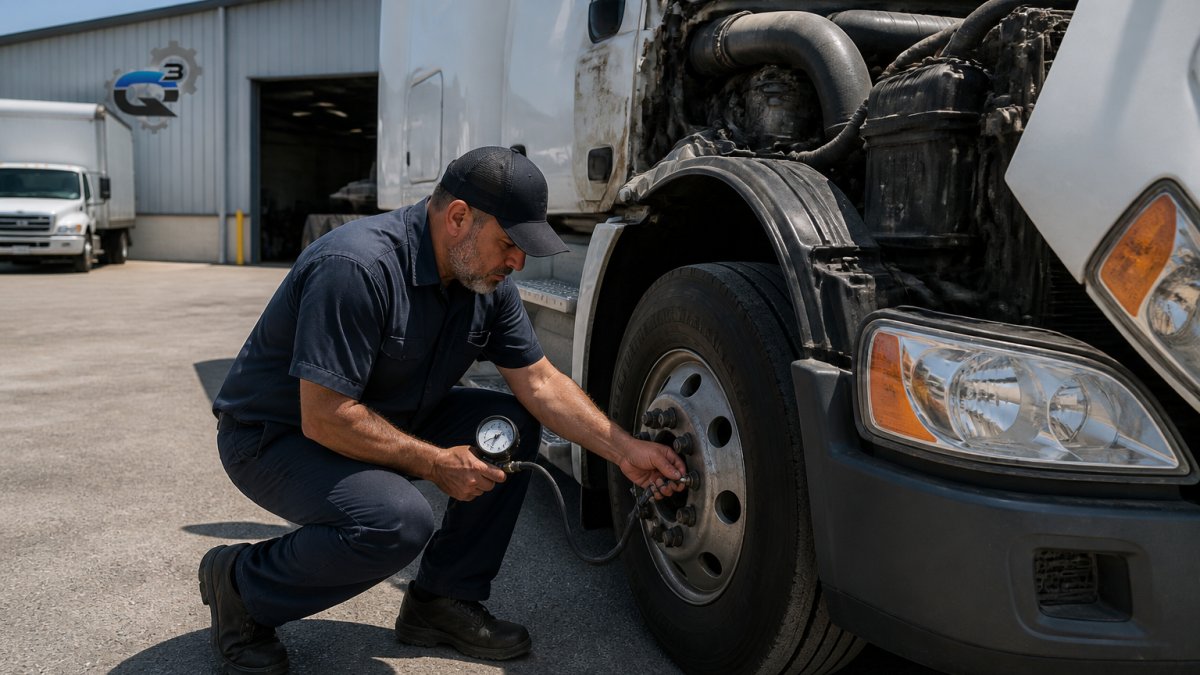
- Check all tire pressures with an accurate gauge. Compare to the door jamb placard.
- Look for bulges, cuts, or unusual wear patterns.
- Check tread depth: insert a penny into the tread. If you can see the top of Lincoln's head, the tire is worn out.
- Look for punctures or objects embedded in the tire.
- Check for uneven wear, which indicates alignment or suspension problems.
Brake inspection:
- Press the brake pedal. It should feel firm and responsive, not soft or spongy.
- Listen for squealing or grinding noises when braking.
- Check for brake fluid leaks under the vehicle.
- Test brakes at low speed before entering traffic.
Suspension and steering:
- Check for unusual noises when turning or going over bumps.
- Look under the vehicle for leaking or damaged components.
- Test steering for play or stiffness.
- Listen for clunking sounds that indicate worn joints or bushings.
Lights, Wipers, and Safety Equipment
Lights and visibility systems are non-negotiable for safety and legal compliance.
Lighting check:
- Headlights: high beam and low beam
- Brake lights: have someone watch while you brake
- Turn signals: front and rear on both sides
- Clearance lights: all lights on the vehicle
- Backup lights: reverse and check
Visibility and safety:
- Windshield wipers: test on both speeds
- Washer fluid: fill if low
- Mirrors: clean and adjusted properly
- Safety equipment: fire extinguisher, reflective triangles, first aid kit, spare fuses
A vehicle with failed lights is unsafe and illegal. Never operate a commercial vehicle with non-functioning lights.
Create a Commercial Vehicle Preventive Maintenance Checklist
A written checklist ensures nothing gets missed. Use this as your baseline and customize it for your vehicles.
| Task | Frequency | Responsibility | Notes |
|---|---|---|---|
| Check fluid levels | Daily | Driver | Oil, coolant, brake fluid |
| Tire pressure and condition | Daily | Driver | Check before each trip |
| Lights and wipers | Daily | Driver | Test all systems |
| Brake system inspection | Weekly | Maintenance | Pads, fluid, lines |
| Battery and electrical | Weekly | Maintenance | Terminals, connections |
| Suspension and steering | Monthly | Maintenance | Listen for noises |
| Tire rotation | Quarterly | Maintenance | Promote even wear |
| Oil and filter change | 5,000-10,000 mi | Maintenance | Per manufacturer spec |
| Brake fluid flush | 24,000-36,000 mi | Maintenance | Annual minimum |
| Transmission service | 30,000-60,000 mi | Maintenance | Check fluid condition |
| Coolant flush | 30,000-50,000 mi | Maintenance | Prevent corrosion |
| Full system inspection | Annually | Technician | Comprehensive check |
Oil and Fluid Changes
Oil changes are the foundation of engine health. Clean oil reduces friction, removes contaminants, and protects against wear.
Change the oil filter every time you change the oil.
Use the correct oil grade for your engine. Consult your owner's manual or ask your technician.
Check other fluids during oil service: transmission, coolant, power steering, and brake fluid.
Filter Replacement and Hydraulic System Checks
Filters protect your vehicle's systems.
Air filter: a dirty air filter reduces engine performance and fuel economy.
Cabin air filter: protects the heating and cooling system. Replace every 12,000-15,000 miles.
Fuel filter: a blocked fuel filter starves the engine and causes no-start conditions.
Hydraulic systems on commercial trucks require regular inspection. Check hydraulic fluid level and condition.
Mechanical and Electrical Systems
Mechanical systems wear with use. Regular inspection catches wear before failure.
Suspension components: ball joints, tie rods, and bushings wear gradually.
Steering system: test for excessive play.
Brake system: the most critical safety system on your vehicle.
Electrical system: battery, alternator, and starter work together.
Engine belts and hoses: inspect for cracks, fraying, and leaks.
Recognize Early Warning Signs Before Breakdown Occurs
Your vehicle sends signals before it fails. Recognizing these warning signs gives you time to get service before a breakdown happens.
Engine and Performance Indicators
Check engine light: this light means the diagnostic system detected a problem. Don't ignore it.
Overheating: if the temperature gauge rises above normal, stop driving immediately.
Unusual engine noises: knocking, pinging, or grinding sounds indicate internal engine problems. Have these checked immediately.
Excessive smoke: blue smoke indicates oil burning. White smoke suggests coolant leaking into the combustion chamber.
Brake and Suspension Red Flags
Brake noise: squealing brakes may just need new pads, but grinding indicates metal-to-metal contact.
Brake pull: if the vehicle pulls to one side when braking, you have uneven brake pressure, a safety issue.
Vibration when braking: this indicates warped rotors or uneven pad wear. Have brakes serviced immediately.
Clunking sounds: noises when turning or going over bumps indicate worn suspension components. These affect handling and safety.
Fluid Leaks and Unusual Sounds
Fluid leaks: any fluid under the vehicle means a leak. Different fluids indicate different problems:
- Red fluid = transmission or power steering leak
- Green or orange fluid = coolant leak
- Black or brown fluid = oil leak
- Clear fluid = air conditioning condensation (normal)
Investigate all leaks except air conditioning condensation.
Unusual noises: squealing, grinding, knocking, or clunking sounds indicate wear or damage. Have these checked before they become serious.
Burning smell: this indicates overheating, electrical problems, or fluid leaks. Stop driving and investigate.
Vibration: unusual vibration while driving indicates tire problems, suspension wear, or brake issues. Have it checked.
Track Maintenance Records to Prevent Unexpected Breakdowns
Documentation is your best tool for preventing breakdowns.
Keep detailed records of every service: date, mileage, work performed, parts replaced, and cost.
Review records regularly. Look for patterns: are certain components failing repeatedly?
Records also protect you legally. If a breakdown causes an accident, documentation shows you maintained the vehicle properly.
Share maintenance history with your technician.
What to Do When Breakdown Prevention Fails
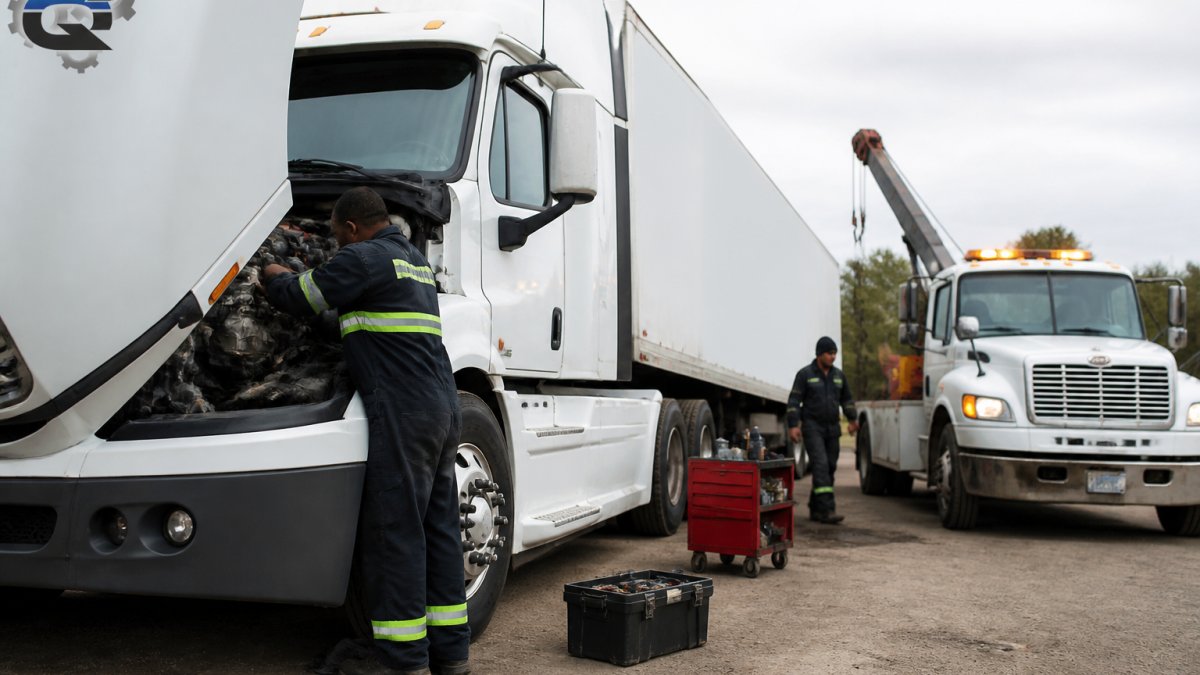
Despite your best efforts, unexpected breakdowns happen. When they do, have a response plan in place.
Immediate actions:
- Move the vehicle to safety if possible
- Turn on hazard lights
- Place reflective triangles or flares behind the vehicle
- Call for roadside assistance
Communication:
- Notify dispatch or your manager immediately
- Contact your customer to explain the delay
- Keep your roadside service provider updated
Documentation:
- Note the time, location, and symptoms
- Take photos of the vehicle and damage if applicable
- Get contact information from any witnesses
- Report the breakdown to your insurance company if needed
Follow-up:
- Have the vehicle towed to a trusted repair facility
- Get a detailed estimate before authorizing repairs
- Ask your technician what caused the breakdown
- Review your maintenance records to understand why prevention failed
A breakdown is frustrating, but it's also a learning opportunity. Understanding what failed helps you prevent similar breakdowns in the future.
Unexpected breakdowns disrupt your business and drain your budget. The solution isn't complicated: follow a structured maintenance schedule, perform regular inspections, and track your service history to prevent commercial vehicle breakdowns.
Frequently Asked Questions
How can I prevent a commercial vehicle from breaking down?
Prevent breakdowns by following a structured maintenance schedule, performing daily pre-trip inspections, and addressing warning signs immediately. Track all service records, monitor fluid levels and tire condition, and schedule professional inspections based on mileage intervals. Regular oil changes, filter replacements, and mechanical system checks catch problems before they cause unexpected breakdowns on the road.
What should be included in a commercial vehicle preventive maintenance checklist?
A comprehensive commercial vehicle preventive maintenance checklist covers oil and fluid changes, filter replacements (air, fuel, cabin), brake pad and rotor inspection, tire rotation and pressure checks, battery condition, hose and belt inspection, light and wiper functionality, and hydraulic system integrity. Include electrical system diagnostics and suspension component checks. Perform some items daily or weekly, others monthly or quarterly, and major services annually or at manufacturer-recommended mileage intervals.
What are the most common causes of commercial truck breakdowns?
Common causes include neglected oil changes leading to engine damage, worn brake pads reducing stopping power, underinflated or damaged tires, dead or weak batteries, fluid leaks in hydraulic or cooling systems, and worn suspension components. Electrical system failures, transmission problems, and blocked filters also trigger unexpected breakdowns. Many are preventable through scheduled maintenance and early detection of warning signs.
How often should commercial vehicles be serviced?
Service intervals vary by vehicle type and manufacturer specifications. Daily and weekly pre-trip checks are essential. Fleet managers should consult their vehicle's service manual and adjust intervals based on operating conditions and mileage patterns.