 how-to
Emergency Roadside Assistance for Commercial Fleets
Table of Contents
- Why Commercial Fleets Need Dedicated Roadside Assistance
- Commercial Fleet Breakdown Procedures: A Step-by-Step Response Plan
- Truck Breakdown Safety Checklist for Drivers
- Mobile Truck Repair: Minimizing Fleet Downtime
- Understanding Fleet Roadside Assistance Cost and Service Levels
- How to Choose a Roadside Provider for Your Fleet
- Building a Preventive Maintenance Program to Reduce Breakdowns
- Frequently Asked Questions
Last Updated: October 4, 2026
Why Commercial Fleets Need Dedicated Roadside Assistance
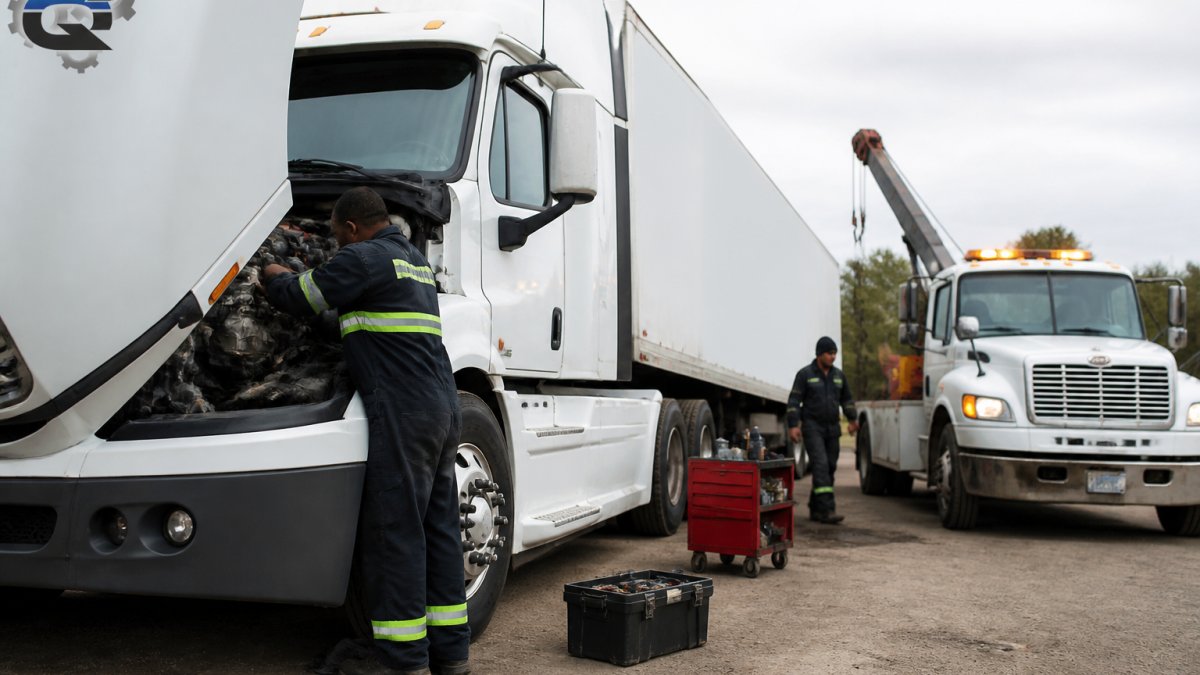
When a truck breaks down on the highway, every minute counts. A single vehicle out of service can disrupt schedules, disappoint customers, and drain your bottom line. That's why commercial fleet roadside assistance isn't a luxury, it's a necessity. At Q3 Car & Truck Repair, we understand the pressure fleet managers face when unexpected breakdowns happen.
Commercial fleets operate differently than personal vehicles. You're managing multiple trucks, trailers, and work vehicles simultaneously. When one goes down, you need rapid response, not a long wait. Standard roadside assistance programs designed for individual cars often fall short for commercial operations.
The real challenge isn't just getting a tow truck to arrive, it's minimizing downtime while ensuring driver safety and maintaining service reliability to your customers. A dedicated commercial fleet roadside assistance program addresses all three.
Commercial Fleet Breakdown Procedures: A Step-by-Step Response Plan
A structured breakdown response process protects your drivers, speeds up repairs, and keeps your operation running. Here's how to handle it when a vehicle fails.
Immediate Notification and Dispatch
The moment a driver realizes there's a problem, they should contact your dispatch center or roadside assistance provider directly. This first call is critical. The driver should provide their location, the vehicle's condition, and any immediate safety concerns.
Many fleet managers don't realize that the first 15 minutes after a breakdown determine the entire response timeline. If your driver waits to report the issue, or if the dispatch system is slow to respond, the delay compounds.
Your driver should stay inside the vehicle with hazard lights activated if it's safe to do so. If they must exit, due to traffic, weather, or vehicle damage, they should move to a safe location away from traffic. This is where clear communication with dispatch matters.
Driver Communication and Vehicle Assessment
Once help is en route, the driver and the service technician need to communicate clearly about what's wrong. A professional roadside provider will ask specific questions: Is the vehicle running at all? Are there warning lights? Is there fluid leaking? Can the driver hear unusual noises?
This assessment determines the next step. Some issues, a flat tire, a dead battery, or a fuel pump failure, can be fixed roadside in minutes. Others require towing to a repair facility. The technician needs enough information to arrive prepared with the right tools and parts.
For commercial vehicles, this assessment also protects your liability. If a technician attempts a roadside repair that fails, or if a tow is delayed because the initial assessment was incomplete, your fleet suffers.
On-Site Repair or Towing Decision
Not every breakdown requires a tow. Many can be resolved on the shoulder in 30 minutes or less. A flat tire, a loose connection, or an overheated engine cooling down might be fixable without ever leaving the highway.
If the vehicle can't be repaired roadside, towing to a repair facility is the next step. For commercial fleets, this is where mobile truck repair and towing coordination become critical. Your provider should have a network of repair shops equipped to handle heavy-duty trucks, diesel engines, transmissions, and other commercial systems, not just general automotive repair.
The towing decision also affects your downtime cost. A 20-minute roadside fix saves hours of downtime compared to a 90-minute tow to a distant shop. A provider with mobile repair capability can often reach your vehicle faster and resolve the issue without towing at all.
Truck Breakdown Safety Checklist for Drivers

Driver safety during a breakdown is non-negotiable. Here's what every driver should do when a vehicle fails.
Immediate Actions:
- Activate hazard lights immediately
- Move to the shoulder or safe area away from traffic if possible
- Turn off the engine to prevent fire risk
- Set the parking brake
- If safe, place warning triangles or flares 100 feet behind the vehicle
Communication Protocol:
- Call dispatch or roadside assistance provider with exact location
- Provide vehicle details: make, model, year, fleet number
- Describe the problem clearly: warning lights, noises, loss of power
- Ask for estimated arrival time
- Stay on the line if instructed
While Waiting:
- Remain inside the vehicle with doors locked if traffic is heavy
- Keep the engine off unless running heat or AC is essential
- Do not attempt repairs unless trained and safe to do so
- Watch for the service vehicle and be ready to meet the technician safely
- Document the breakdown: time, location, symptoms, any damage
If You Must Exit the Vehicle:
- Wear a high-visibility safety vest
- Move well away from traffic
- Never stand between the vehicle and oncoming traffic
- If it's dark or foggy, use a flashlight or headlamp
- Stay alert to passing vehicles
Many drivers underestimate breakdown safety. A vehicle broken down on a busy highway is exposed to traffic, weather, and other hazards. The checklist above isn't optional, it's the difference between a resolved problem and a tragedy.
Mobile Truck Repair: Minimizing Fleet Downtime
One of the biggest advantages of a professional commercial fleet roadside assistance program is access to mobile truck repair.
Mobile truck repair works best for common failures: tire repair or replacement, battery service, starter replacement, fuel filter changes, and electrical diagnostics. For these issues, a fully equipped mobile unit can complete repairs in 30-60 minutes, getting your driver back on the road without a tow.
The cost savings are significant. A single day of downtime for a commercial truck can cost hundreds of dollars in lost revenue, missed deliveries, and customer dissatisfaction. If mobile repair saves even a few hours, it pays for itself immediately.
However, not every breakdown is suitable for roadside repair. Transmission failures, engine overhauls, major suspension work, and other complex repairs require a full shop facility with lifts, diagnostic equipment, and parts inventory.
Understanding Fleet Roadside Assistance Cost and Service Levels
Commercial fleet roadside assistance pricing depends on several factors: the number of vehicles in your fleet, the types of vehicles (light-duty trucks versus heavy-duty semi trucks), your geographic service area, and the response time you require.
Most providers structure fleet programs as monthly or annual subscriptions with per-vehicle costs. Some offer tiered service levels: basic coverage (towing and dispatch), standard coverage (mobile repair included), and premium coverage (priority dispatch, extended service hours, dedicated support).
When evaluating cost, focus on what's included. Does the program cover all vehicle types in your fleet? Are there limits on the number of service calls per vehicle annually? What's the response time guarantee?
Many fleet managers compare roadside assistance cost to the price of a single breakdown. That single breakdown, towing, shop labor, parts, lost productivity, often exceeds a year of preventive roadside assistance coverage.
How to Choose a Roadside Provider for Your Fleet
Not all roadside assistance providers are equipped for commercial fleets. Here's how to evaluate options and make the right choice.
Response Time and Local Coverage
Ask potential providers for their average response time in your service area. For commercial fleets, 60-90 minutes is typical for rural areas, 30-45 minutes for urban areas. If a provider can't commit to a specific response time, that's a red flag.
Local coverage matters too. A national provider with a local dispatch center and nearby technicians will respond faster than a national provider routing calls through a distant call center. Ask where their technicians are stationed and whether they have dedicated coverage for your primary service routes.
According to the American Trucking Associations' fleet management guidelines, response time is one of the top three factors fleet managers consider when selecting a roadside provider. A provider that understands your routes and maintains local resources will deliver better results.
Service Capabilities and Repair Scope
Review what repairs each provider can perform roadside and what requires towing. Can they handle tire repair and replacement? Battery service? Starter replacement? Electrical diagnostics? Fuel system work? Brake service?
For heavy-duty trucks, ask specifically about diesel engine expertise, transmission diagnostics, and trailer repair. Many general roadside providers lack the specialized knowledge and equipment for commercial trucks. Q3 Car & Truck Repair understands the specific demands of heavy-duty repair.
Ask about their repair network too. If a tow is necessary, where will your vehicle go? Are those shops equipped for your vehicle types? Do they have the expertise and parts inventory to complete repairs quickly?
Transparency and Documentation
A professional provider should give you clear documentation after every service call: what was wrong, what was repaired or towed, the technician's assessment, and next steps. This documentation helps you track breakdown patterns, identify vehicles that need preventive maintenance, and dispute any charges.
Transparency also means clear pricing. You should understand what's covered, what costs extra, and how billing works. Hidden fees and surprise charges erode trust quickly.
Building a Preventive Maintenance Program to Reduce Breakdowns
The best way to minimize the need for emergency roadside assistance is to prevent breakdowns before they happen. A structured preventive maintenance program catches problems early, extends vehicle life, and keeps your fleet reliable.
Preventive maintenance typically includes regular oil changes, filter replacements, fluid checks, brake inspections, tire rotations, and battery testing on a set schedule.
Many fleet managers treat preventive maintenance as a cost to minimize. The opposite is true. Every dollar spent on preventive maintenance saves three to five dollars in emergency repair costs, downtime, and towing.
Track maintenance records for each vehicle. Over time, patterns emerge: which vehicles need more frequent service, which components fail repeatedly, which drivers' habits affect vehicle longevity.
When a breakdown happens, you need a partner who understands commercial fleets and responds fast.
| Service Element | What to Evaluate | Why It Matters |
|---|---|---|
| Response Time | 30-90 minutes depending on location | Shorter downtime = lower costs |
| Mobile Repair Capability | Roadside tire, battery, electrical work | Avoids unnecessary towing |
| Repair Network | Shops equipped for your vehicle types | Faster, quality repairs |
| Preventive Programs | Oil changes, inspections, maintenance tracking | Reduces breakdown frequency |
| Documentation | Service records, repair details, billing clarity | Tracks patterns, disputes charges |
| Local Coverage | Technicians stationed in your service area | Faster dispatch, better local knowledge |
Frequently Asked Questions
What should a fleet driver do immediately when a commercial vehicle breaks down?
First, move the vehicle to a safe location if possible and activate hazard lights. Turn off the engine and engage the parking brake. Put on a safety vest and stay inside the vehicle or stand well away from traffic. Call your roadside assistance provider right away with your vehicle location, the nature of the breakdown, and the number of people in the vehicle. Provide your fleet account number and any relevant vehicle identification. Stay on the line with the dispatcher and follow their instructions while waiting for help to arrive.
How much does commercial fleet roadside assistance cost compared to individual coverage?
Fleet roadside assistance pricing depends on the number of vehicles, service level (24/7 availability, response time guarantees), repair capabilities included, and your local service area. Most providers offer per-vehicle annual rates or per-incident fees, often with volume discounts for larger fleets. Contact Q3 Car & Truck Repair or your local provider for a quote based on your specific fleet size and needs. Preventive maintenance programs can reduce emergency calls and lower overall costs.
What services should commercial fleet roadside assistance include?
Comprehensive commercial fleet roadside assistance should include 24/7 emergency dispatch, rapid response within your service area, mobile truck repair for common issues like tire changes and battery replacement, towing to a repair facility, fuel delivery, lockout service, and jump-starts. Look for providers offering direct communication with qualified technicians. Verify they handle heavy-duty commercial vehicles, trailers, and the specific truck types in your fleet.
How can fleet managers reduce delays when a commercial vehicle breaks down?
Establish a clear breakdown protocol: ensure all drivers have the roadside assistance number memorized and stored in their phones, provide drivers with exact vehicle identification details and their fleet account number, maintain updated contact information for all vehicles, and schedule regular preventive maintenance to catch issues before breakdowns occur. Partner with a provider offering fast local response times in your service area. Document all breakdowns to identify patterns and address recurring mechanical issues proactively.