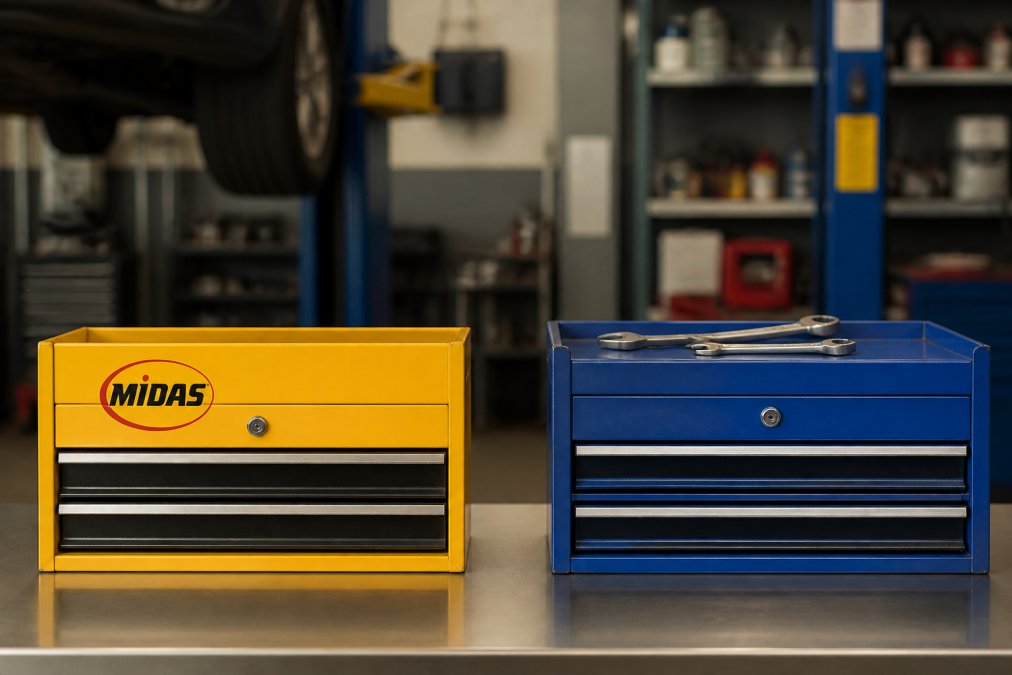
 comparison
Midas vs Blue Ribbon Auto Repair: A Detailed Comparison
Table of Contents
- Midas vs Blue Ribbon Auto Repair: Overview
- Service Offerings: Collision Repair, Maintenance, and Diagnostics
- How to Find a Reliable Mechanic: Evaluating Both Shops
- ASE Certification Importance and Technician Training Standards
- Pricing Transparency and Avoiding Overcharges
- Average Cost of Car Maintenance: What to Expect
- Warranty Coverage and Service Guarantees
- Customer Service, Reviews, and Trustworthiness
Last Updated: August 6, 2026
Midas vs Blue Ribbon Auto Repair: Overview
Choosing between national chains and local shops can feel overwhelming. Midas vs Blue Ribbon auto repair represents a choice many drivers face: the established national brand with consistent procedures, or the regional operator with local roots and personalized service. Both have built reputations in automotive maintenance and repair, but they operate with fundamentally different philosophies.
At Q3 Car & Truck Repair, we've worked alongside customers who've had experiences at both chains. The choice isn't just about which name appears on the invoice, it's about who you trust with your vehicle's safety, how transparent they are about costs, and whether they'll push unnecessary repairs on you.
This guide breaks down the real differences between these two approaches. We'll examine their service offerings, diagnostics, technician training, pricing, and warranty coverage. By the end, you'll know exactly what questions to ask and which shop aligns with your needs.
Service Offerings: Collision Repair, Maintenance, and Diagnostics
Midas built its reputation on routine maintenance: oil changes, tire rotation, brake service, and preventative maintenance. Their standardized model means consistent procedures but sometimes less flexibility for unusual vehicle issues. They handle collision repair at select locations, though many Midas shops refer this work to dedicated body shops.
Blue Ribbon typically operates as a regional multi-service facility, handling collision repair, mechanical maintenance, and diagnostics under one roof. This can be convenient, but quality varies more between locations since regional operators have less corporate standardization.
Modern vehicles require sophisticated diagnostic equipment to identify issues accurately. Both chains invest in diagnostic technology, but how they use it differs. Ask whether they'll share the diagnostic report with you, a shop confident in their findings will show you the data.
How to Find a Reliable Mechanic: Evaluating Both Shops
Finding a reliable mechanic requires moving beyond brand name recognition to actual evaluation criteria.
Start with certifications. ASE (Automotive Service Excellence) certification is the industry standard for technician competence. Ask: How many technicians are ASE-certified? In which areas? A shop with multiple certified technicians across different specialties signals serious investment in training.
Request a repair estimate in writing before work begins. A reliable mechanic provides detailed estimates explaining what's being repaired, why it's necessary, and the expected outcome. Red flags include vague descriptions, refusal to provide estimates, or pressure to authorize repairs without explanation.
Check online reviews for patterns, not individual complaints. Five reviews mentioning pressure to buy unnecessary repairs suggests a systemic problem. Also check how the shop responds to criticism, shops that engage professionally demonstrate accountability.
Ask about warranty coverage on parts and labor. A shop standing behind its work offers a clear warranty, typically 12 months or 12,000 miles on labor. Vague warranty terms signal caution.
Visit the shop in person if possible. A well-organized facility with clean work bays and professional communication suggests operational competence.
Finally, trust your instinct about communication. Do they listen to your concerns? Do they explain technical issues in language you understand? A reliable mechanic treats your vehicle like it matters.
ASE Certification Importance and Technician Training Standards
ASE certification importance cannot be overstated when evaluating any repair shop. This credential represents a measurable standard for technician competence across the automotive industry.
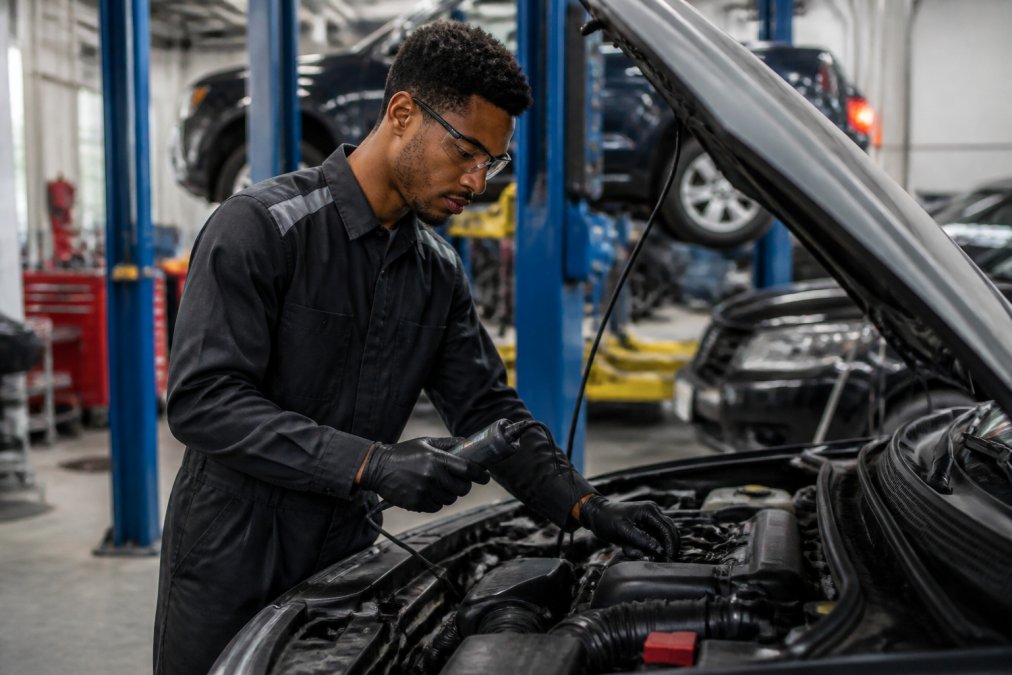
ASE (Automotive Service Excellence) certification requires technicians to pass rigorous exams covering specific repair areas: brakes, electrical systems, engine performance, transmission, and others. To maintain certification, technicians must renew every five years and pass updated exams reflecting current technology.
The difference between a certified and uncertified technician shows up in diagnostics. A certified technician has demonstrated knowledge of how modern systems work and how to distinguish between symptoms and root causes. An uncertified technician might replace parts hoping one fixes the problem, an expensive approach that leaves you paying for unnecessary repairs.
Midas requires certain standards, though specific ASE certification rates vary by location. Blue Ribbon shops vary widely in technician training standards since they're independently operated.
When evaluating a shop, ask: How many technicians hold ASE Master Certification? What's your average technician tenure? Shops with experienced, certified teams have lower diagnostic error rates and fewer comebacks.
Pricing Transparency and Avoiding Overcharges
Pricing transparency is where many drivers encounter problems with national chains and some regional shops. Overcharging happens through recommending repairs that aren't yet necessary or charging for diagnostic time without explaining findings.
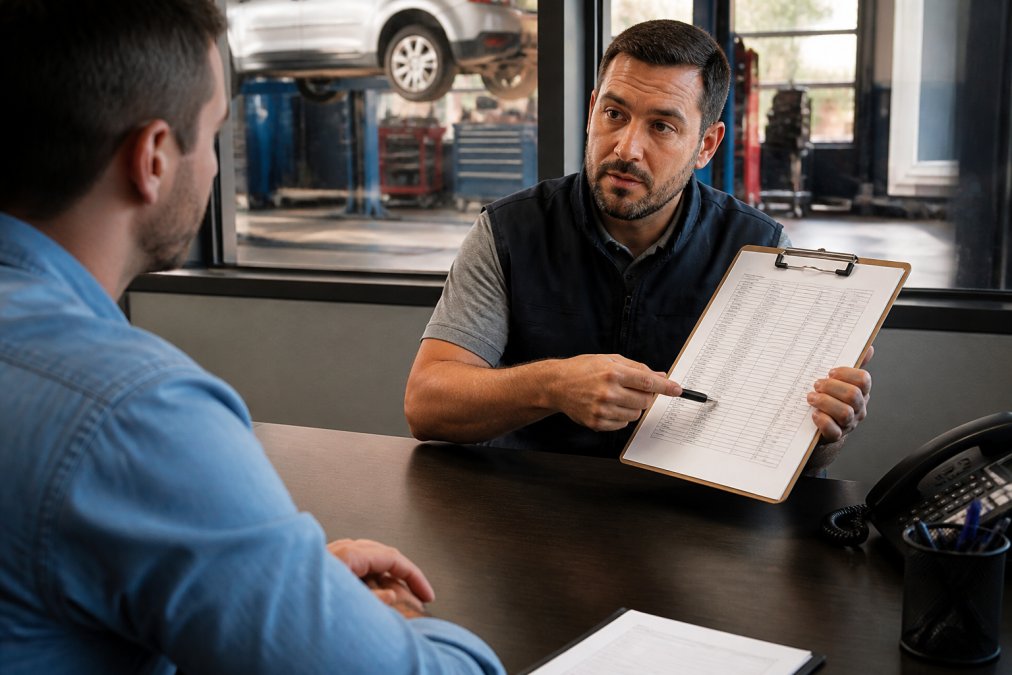
To avoid overcharges, establish these practices before work begins:
Request a written estimate with itemized details. Not "engine repair needed" but "Replace spark plugs (4), inspect fuel injectors, clean intake valves." Specific line items let you understand exactly what you're paying for.
Ask why each repair is necessary. A good shop explains the reasoning: "Your brake pads are at 3mm thickness. Safe minimum is 2mm, so you have maybe 5,000 miles left. Replacing them now prevents rotor damage, which would cost 3x more if we wait."
Get a second opinion on major repairs. If a shop recommends a transmission rebuild or engine work, ask another shop to review the diagnostic data.
Understand labor rates. Shops charge different rates, typically $75-150 per hour depending on location and specialization. Ask for time estimates on specific repairs.
Check parts pricing. Ask whether they're using OEM (original equipment manufacturer) parts or aftermarket parts. OEM costs more but carries manufacturer backing.
Average Cost of Car Maintenance: What to Expect
Understanding average cost of car maintenance helps you budget and recognize when a quote seems unreasonable.
Oil changes typically run $25-75. Tire rotation costs $20-50. Brake pad replacement ranges from $100-300. Air filter replacement is usually $15-40.
Preventative maintenance at service intervals specified in your owner's manual costs more but prevents expensive repairs. A 30,000-mile service might include spark plugs, transmission fluid, and coolant, potentially $200-500. A 60,000-mile service adds additional fluids, pushing costs higher. These intervals exist because they prevent failures that cost thousands.
Diagnostic services for identifying problems cost $50-150 for a basic scan. Complex diagnostics can run $200-300. This is money well spent if it accurately identifies the problem.
The key insight: routine maintenance costs less than emergency repairs. A $50 oil change prevents a $5,000 engine problem. A $200 brake service prevents a $2,000 rotor replacement.
Warranty Coverage and Service Guarantees
Warranty coverage and service guarantees reveal how much a shop stands behind its work.
Industry standard warranties on labor typically run 12 months or 12,000 miles, whichever comes first. Some shops offer longer warranties, 24 months or 24,000 miles, signaling confidence in their work.
Parts warranties vary. OEM parts usually carry the manufacturer's warranty, which can extend several years. Aftermarket parts warranties typically range from 1-3 years.
Midas typically offers warranties consistent with national standards, usually 12 months/12,000 miles on labor. Blue Ribbon warranty terms vary by location since they're independently operated.
Service guarantees go beyond warranty. Some shops guarantee that you won't need the same repair again within a specified period. Others guarantee that recommended repairs will actually solve the problem you reported. These guarantees signal confidence and accountability.
Customer Service, Reviews, and Trustworthiness
Customer service quality and trustworthiness ultimately determine whether you'll return to a shop or recommend it to others.
Online reviews provide useful signals when you know what to look for. Look beyond star ratings to actual review content. A shop with mostly 4-5 star reviews but occasional mentions of "pushy sales tactics" has a real issue. Pay attention to how shops respond to negative reviews. A shop that responds professionally demonstrates accountability.
Trustworthiness shows up in communication consistency. Do they follow up after repairs? Do they call if they find additional issues and ask before proceeding? Do they explain technical problems in language you understand?
Midas benefits from national brand recognition and consistent customer service standards, though individual locations vary. Blue Ribbon shops vary more widely in customer service since they're independently operated. Local reputation matters more with regional operators.
Customer feedback about trustworthiness often centers on whether a shop pressures you into unnecessary repairs or respects your decision to decline recommended work. A shop that respects your choices demonstrates genuine customer focus.
Choosing between Midas, Blue Ribbon, and other repair options comes down to what you value most: national consistency, local relationships, transparent pricing, or specialized expertise. Q3 Car & Truck Repair offers the personalized attention and transparent communication that prevent the overcharging concerns driving your research. Our highly skilled technicians provide straightforward estimates, explain repairs clearly, and prioritize your understanding over upselling. If you're in the Capitol Heights or Waldorf area managing vehicle maintenance, Request Appointment to experience the difference that genuine care for your vehicle makes.
Frequently Asked Questions
What is the main difference between Midas and Blue Ribbon auto repair?
Midas operates as a national chain with standardized procedures and pricing models, while Blue Ribbon functions as an independent local shop offering personalized service. National chains like Midas provide consistency and established brand recognition, whereas independent shops often emphasize direct customer relationships and flexible service options. Both can deliver quality automotive maintenance and repair, but they differ in scale, pricing transparency, and how they handle diagnostic procedures.
How do I know if a mechanic is ASE certified and why does ASE certification importance matter?
ASE (Automotive Service Excellence) certification requires technicians to pass comprehensive exams covering specific automotive repair areas. Ask your repair shop directly about technician certifications, they should display credentials readily. ASE certification importance lies in verification that technicians have met industry standards for knowledge and competency. Certified technicians demonstrate commitment to staying current with vehicle technology, diagnostic equipment operation, and proper repair procedures. When evaluating any shop, request information about technician training and certifications before committing to service.
What is the average cost of car maintenance I should budget for annually?
Average cost of car maintenance varies based on vehicle age, mileage, and type. Routine services like oil changes, tire rotation, and brake inspections typically range from $200 to $500 annually for preventative maintenance. Older vehicles or those with higher mileage may require additional services. Rather than relying on estimates, request a detailed repair estimate from your chosen shop that breaks down labor rates and parts costs. This allows you to compare pricing across shops and understand exactly what you're paying for.
How can I avoid being overcharged at an auto repair shop?
Request a written repair estimate before work begins and ask your technician to explain why each repair is necessary. Get a second opinion for major repairs costing over $500. Compare labor rates between shops, national chains and independents may differ significantly. Verify that shops use quality parts and explain the difference between original equipment manufacturer and aftermarket options. Ask about service guarantees and warranty coverage on completed work. Transparent shops provide itemized invoices showing parts, labor hours, and rates.
This article was written using GrandRanker