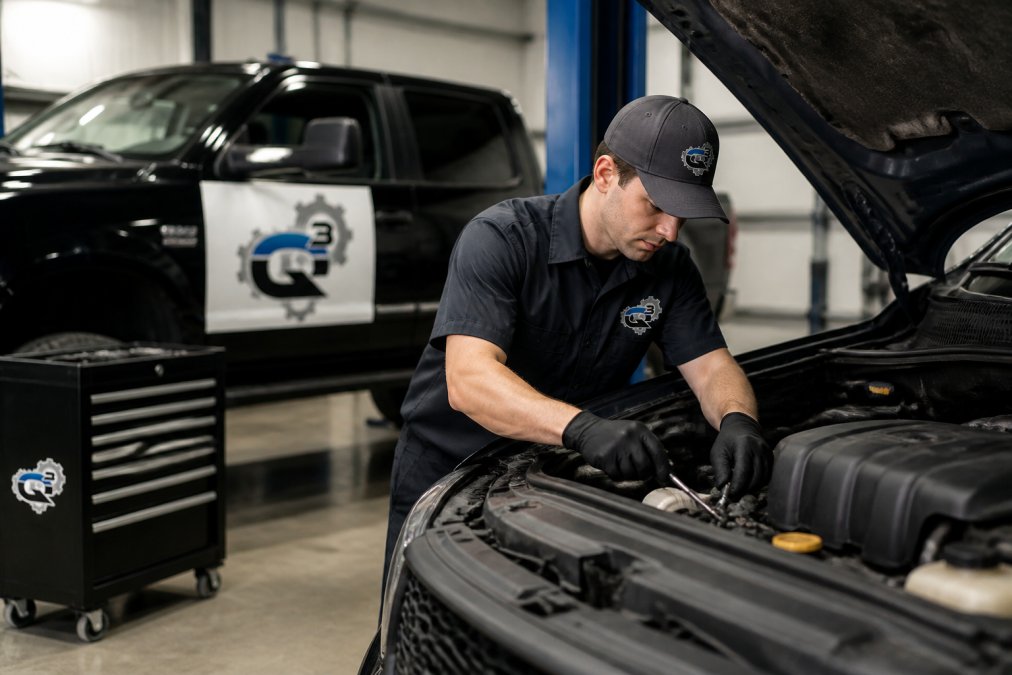
 listicle
Best Blue Ribbon Auto Alternatives for Quality Car Repair
Table of Contents
- How to Evaluate the Best Blue Ribbon Auto Alternatives
- Quick Comparison: Top Auto Repair Shop Options
- Q3 Car & Truck Repair: Best for Honest, Full-Service Auto Body Repair
- National Chain Service Centers: Familiar Names, Mixed Results
- Dealership Service Centers: Pre-Accident Condition Restoration vs. Independent Shops
- Specialization vs. Generalization: Which Shop Type Fits Your Needs
- Insurance Claim Navigation: What the Best Blue Ribbon Auto Alternatives Handle for You
- Questions to Ask an Auto Mechanic Before Committing to Any Shop
Last Updated: August 3, 2026
Choosing the best Blue Ribbon auto alternatives comes down to more than name recognition. Q3 Car & Truck Repair has worked with hundreds of drivers across Prince George's County and the Capitol Heights area, and the pattern is consistent: customers who switch from a familiar-sounding shop to a more focused independent often get better communication, faster turnaround, and fewer surprise charges. This guide breaks down how to evaluate your options, what each shop type delivers, and where real differences show up when your vehicle needs serious attention.
Most drivers assume that a well-known name equals reliable service. According to the National Institute for Automotive Service Excellence (ASE), technician certification is one of the strongest predictors of repair quality, yet many high-traffic chain shops rely heavily on newer technicians still working toward full certification. The shop's reputation and the skill level of the person holding the wrench are two different things.
How to Evaluate the Best Blue Ribbon Auto Alternatives
Evaluating auto repair alternatives requires a clear framework. The best shops share measurable qualities: certified technicians, written estimates before work begins, clear warranty terms, and a willingness to explain repairs in plain language.
Technician Certifications and Training Standards
ASE certification is the industry standard for automotive technicians in the United States. An ASE-certified technician has passed rigorous testing across specific repair categories, from engine repair and transmission service to brakes, electrical systems, and collision repair. Shops employing ASE-certified staff make a verifiable commitment to technical standards.
A common mistake is assuming all mechanics at a given shop hold the same qualifications. Ask specifically which technicians are certified and for which systems. A shop might have one ASE master technician and several uncertified apprentices doing the bulk of the work, that distinction matters when your transmission needs diagnosis.
Transparent Estimates and Honest Communication
Transparent communication is the clearest differentiator between a shop that respects your time and one that treats you as a revenue opportunity. A trustworthy shop provides a written estimate before any work begins, itemizes parts and labor separately, and calls you before adding anything not covered in the original scope.
The estimate conversation is also a diagnostic tool for the shop's culture. Does the service advisor explain why a repair is necessary, or just present a number? A shop that walks you through the reasoning, shows you the worn component, or references manufacturer specifications operates at a different level.
Quick Comparison: Top Auto Repair Shop Options
| Shop Type | Best For | Technician Certifications | Estimate Transparency | Specialization |
|---|---|---|---|---|
| Q3 Car & Truck Repair | Full-service cars and trucks, diesel, transmission | Highly skilled, trained technicians | Written, itemized, explained | Cars, trucks, diesel, fleet |
| National Chain Centers | Routine maintenance, oil changes | Varies by location | Standardized pricing | Generalist |
| Dealership Service Centers | New vehicles under warranty | Factory-trained for that brand | Formal, often higher cost | Brand-specific |
| Independent Specialists | Specific systems (transmission, diesel) | Varies widely | Depends on shop culture | Narrow focus |
Q3 Car & Truck Repair: Best for Honest, Full-Service Auto Body Repair
The top pick among the best Blue Ribbon auto alternatives for drivers in Capitol Heights and Waldorf is Q3 Car & Truck Repair. The shop combines highly skilled technicians with a process built explicitly around transparent communication and honest estimates, exactly what most drivers cannot find elsewhere.
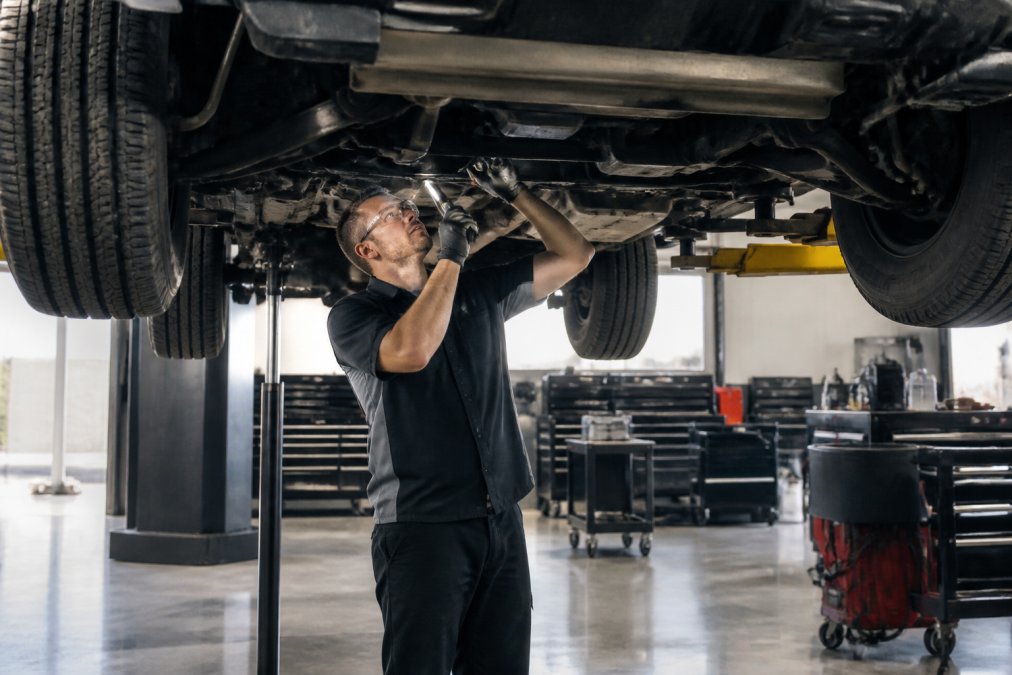
What separates Q3 from larger chains is consistency of customer experience. Drivers with older trucks that have accumulated quirks often struggle to find a shop willing to engage seriously with a vehicle's history rather than just running a quick scan and recommending replacements. Q3's technicians approach each vehicle individually, which matters most for older models and high-mileage trucks.
The shop also serves local business owners managing small fleets, requiring consistent quality across multiple vehicles, scheduling that works around business operations, and service relationships built on ongoing trust.
Best for: Car and truck owners in Capitol Heights and Waldorf who want expert workmanship, straightforward estimates, and a shop that explains every repair before proceeding.
Pros:
- Commitment to honest, reliable service with no upsell pressure
- Highly skilled technicians with years of hands-on training
- Transparent communication and itemized estimates
- Serves both individual drivers and fleet operators
- Weekend availability for working professionals
One honest note: Q3 Car & Truck Repair is a local independent, not a nationwide chain. For drivers who travel frequently and need service coverage across multiple states, a national warranty program may supplement local repair work.
National Chain Service Centers: Familiar Names, Mixed Results
Brand recognition is not the same as consistent quality. National chain service centers operate on a franchise model, meaning the experience at one location can differ substantially from another under the same name.
Auto Body Repair and Collision Services at Chain Shops
Chain shops handle routine maintenance efficiently. Oil changes, tire rotations, and brake pad replacements move quickly. The challenge emerges with collision repair and body work, which requires careful paint matching, frame alignment assessment, and panel work demanding both technical skill and time. High-volume chain environments are not always structured to give collision repair the attention it requires.
Paint matching is an area where independent shops with experienced technicians often outperform chains. A technician who has worked on many vehicles develops an eye for color blending that a newer technician following a standardized process may not yet have.
Customization, Performance Upgrades, and Specialty Work
Most national chains are not equipped for customization or performance upgrades. Audio installation, aftermarket accessories, suspension modifications, and performance tuning require technicians with specific training outside the standard chain curriculum. Drivers seeking this work will find better results at shops specializing in it or full-service independents with broader technician skill sets.
Dealership Service Centers: Pre-Accident Condition Restoration vs. Independent Shops
Dealership service centers are factory-trained for one brand, their genuine strength and limitation. For vehicles under manufacturer warranty, a dealership is often the right choice because factory-trained technicians have direct access to manufacturer specifications, proprietary diagnostic tools, and OEM parts.
After warranty expiration, the calculation changes. Dealership labor rates are typically among the highest in the market, and brand-specific focus means technicians may have less experience with broader diagnostic challenges older vehicles present. Pre-accident condition restoration at dealerships also relies heavily on OEM parts, carrying a cost premium that independent shops can often reduce using quality aftermarket or certified remanufactured components.
According to the Bureau of Automotive Repair guidance on consumer rights, vehicle owners are not required to use dealership service centers to maintain warranty, provided the independent shop uses equivalent-quality parts and keeps proper records. This is worth knowing before assuming the dealership is the only safe option.
Specialization vs. Generalization: Which Shop Type Fits Your Needs
A specialist shop focuses on a narrow category: transmission rebuilds, diesel engine service, European imports, or collision repair only. Expertise within that category is often exceptional. The limitation is that a specialist cannot handle a vehicle's full scope of needs, requiring multiple shop relationships.
A generalist shop handles a broad range of automotive services under one roof. Quality depends entirely on technicians' actual skill range. The best generalist shops employ technicians with diverse certifications and cross-train staff, so breadth reflects genuine capability rather than overreach.
Vehicle Restoration and Older Truck Maintenance
Older vehicles require a generalist with specialist instincts. A truck with 180,000 miles has accumulated history: previous repairs done well or poorly, components approaching end of life at different rates, and systems interacting in unpredictable ways. A shop handling older truck maintenance well combines diagnostic experience with willingness to engage the vehicle's actual condition rather than a standard checklist.
Preventative maintenance on older vehicles is where this pays off most. Catching a developing cooling system issue or identifying a worn CV axle before failure is the difference between planned repair and roadside emergency.
Fleet Maintenance and Diesel Truck Services
Fleet maintenance demands consistency. A business running multiple work vehicles needs a shop that schedules service predictably, maintains quality across vehicles simultaneously, and communicates proactively when attention is needed beyond standard scope.
Diesel truck services require specialization. Diesel engines operate differently from gasoline engines, with distinct fuel system components, different oil specifications, and emissions systems requiring specific diagnostic knowledge. Not every shop listing diesel service has technicians with genuine diesel expertise. Asking about the technician's diesel background before scheduling is reasonable.
Insurance Claim Navigation: What the Best Blue Ribbon Auto Alternatives Handle for You
Insurance claim navigation is one of the most underserved areas in automotive services and a genuine differentiator. After a collision, the repair process involves not just technical work but communication with your insurance adjuster, agreement on repair scope, parts sourcing decisions, and documentation of pre-accident condition.
The best Blue Ribbon auto alternatives handle insurance work by providing detailed written estimates aligned with insurance documentation requirements, communicating directly with adjusters when necessary, and advocating for repair methods that restore the vehicle to its actual pre-accident condition.
A common mistake is assuming the insurance company's preferred shop list represents the best options. According to the Federal Trade Commission guidance on auto repair and insurance, you have the right to choose your own repair shop regardless of your insurer's recommendations. Preferred shops are negotiated for cost efficiency, not necessarily repair quality.
What to watch for in insurance claim handling:
- Does the shop provide a written estimate itemizing all damage, including structural and hidden damage discovered during disassembly?
- Will the shop communicate directly with your adjuster?
- Does the shop use OEM, aftermarket, or remanufactured parts, and does your policy specify which are covered?
- What is the warranty coverage on parts and labor after an insurance repair?
Questions to Ask an Auto Mechanic Before Committing to Any Shop
Knowing the right questions to ask before committing is the most practical tool a driver has. Most people walk into a shop without a framework and end up making decisions based on price alone.
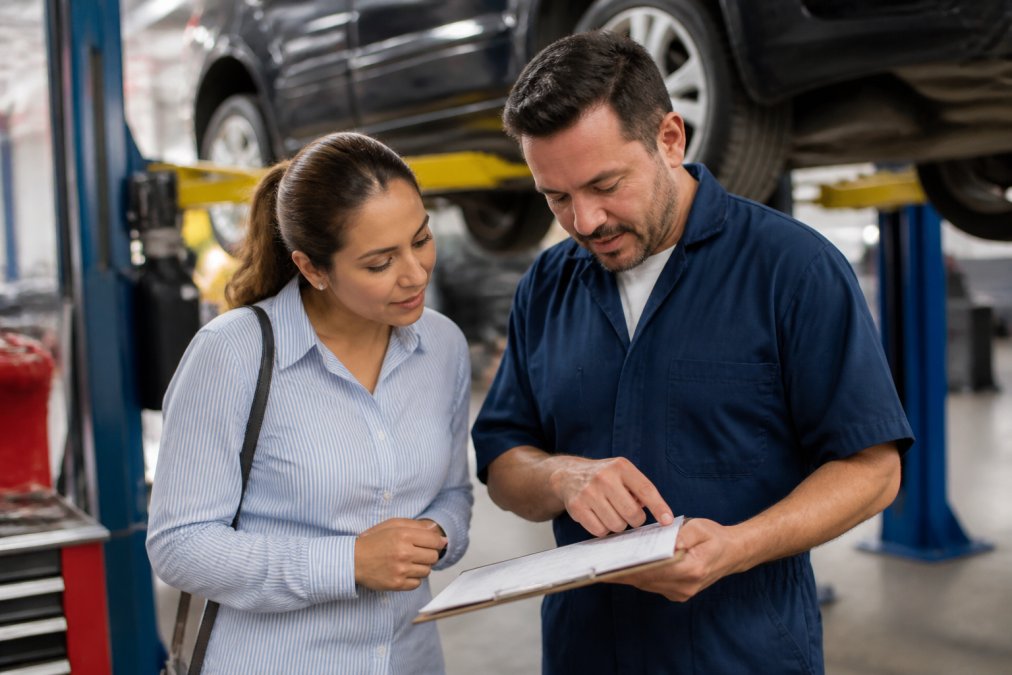
Customers who ask direct questions before authorizing work report higher satisfaction and fewer disputes. The conversation itself tells you a great deal about the shop's culture.
Use this checklist before authorizing any repair:
- Are your technicians ASE certified, and for which systems?
- Can you provide a written, itemized estimate before starting work?
- Will you contact me before adding any work not covered in the original estimate?
- What is your warranty on parts and labor?
- Do you use OEM, aftermarket, or remanufactured parts, and can I choose?
- Can you show me the worn or damaged component before replacing it?
- Do you have experience with my specific vehicle make, model, or engine type?
- How do you handle communication during a longer repair?
- Do you work with insurance adjusters directly?
- What is your turnaround time estimate, and how do you handle delays?
Ask directly: "Do you flag recommended repairs separately from required repairs?" A shop with good customer service quality distinguishes between what your vehicle needs now, what it will need soon, and what is optional. That distinction signals honest practice.
Ask about diagnostics: whether the shop charges a diagnostic fee, whether that fee applies toward repair costs if you proceed, and what happens if the diagnostic does not identify the issue on the first pass. Shops with strong quality control have clear answers.
Finding a reliable shop among the best Blue Ribbon auto alternatives takes more than checking a map. Drivers who consistently report the best outcomes prioritize technician credentials, written estimates, and honest communication over proximity or brand familiarity. Q3 Car & Truck Repair serves car and truck owners across Capitol Heights and Waldorf with exactly that approach: highly skilled technicians, transparent estimates, and a service process built around your peace of mind. Request an appointment with Q3 Car & Truck Repair and get the straightforward, expert vehicle care your car or truck deserves.
Frequently Asked Questions
How do I find a reputable auto body shop in my area?
Start by checking Google Reviews, the Better Business Bureau, and dedicated auto repair review sites like RepairPal or Yelp. Look for shops with ASE-certified technicians, written estimates, and clear warranty coverage on parts and labor. Ask neighbors or coworkers for referrals, especially for shops that have handled collision repair or vehicle restoration. Visiting the shop in person before committing lets you assess cleanliness, organization, and how staff communicate with customers.
What should I look for when choosing an auto repair shop as a Blue Ribbon auto alternative?
Prioritize technician certifications, specifically ASE certification, which signals verified training standards. Ask whether the shop provides written repair estimates before any work begins, whether they explain why each repair is necessary, and what warranty coverage they offer on completed work. Shops that handle insurance claims directly and maintain transparent communication throughout the process tend to deliver better outcomes and fewer billing surprises. Turnaround time and weekend availability also matter for working drivers.
What are the benefits of choosing an independent auto body shop over a dealership?
Independent shops typically offer more competitive labor rates than dealerships and are more likely to build a long-term relationship with you as a customer. They often handle a broader range of services, from dent removal and frame alignment to transmission work and preventative maintenance, without the upsell pressure common at dealerships. For owners of older vehicles or those managing small fleets, an independent shop with experienced technicians frequently provides more personalized service and honest guidance than a large franchise operation.
What are the best auto repair shop review sites to verify a shop's quality before booking?
The most reliable sources for vetting auto repair shops include Google Reviews, the Better Business Bureau (BBB), RepairPal, Yelp, and CarTalk's mechanic finder. RepairPal is particularly useful because it verifies shops and provides fair-price estimates for common repairs. The BBB shows complaint history and resolution records. Cross-referencing at least two or three of these sites gives a more complete picture of a shop's customer satisfaction record, service quality, and how they handle disputes.
What questions should I ask an auto mechanic before authorizing repairs?
Ask for a written estimate before any work starts. Find out whether the shop uses OEM or aftermarket parts and how that affects your warranty. Ask specifically why each repair is necessary and what happens if you delay it. Confirm the technician's ASE certification level and experience with your vehicle type. Ask about turnaround time, whether they communicate updates during the repair, and what warranty coverage applies to parts and labor. These questions filter out shops that rely on pressure tactics over honest communication.
This article was written using GrandRanker