 how-to
How to Avoid Unnecessary Car Repairs: 7 Steps
Table of Contents
- Understand Your Owner's Manual Before Any Repair
- How to Find an Honest Mechanic You Can Trust
- Common Car Repair Upsells to Avoid
- Use Digital Diagnostic Tools to Verify Repair Claims
- How to Get a Second Opinion on Car Repairs
- Request a Detailed Repair Estimate and Review It
- Distinguish Between Warranty Coverage and Maintenance
- Conclusion
Last Updated: August 18, 2026
Understand Your Owner's Manual Before Any Repair
Your owner's manual is the single most important document for avoiding unnecessary car repairs. It contains the manufacturer's recommended service intervals, fluid specifications, and maintenance schedules specific to your vehicle. Before you authorize any repair, consult this manual to verify whether the work is actually due.
Many vehicle owners skip this step entirely, which is exactly where unnecessary repairs begin. A service advisor might recommend a transmission flush at 60,000 miles, but your manual might specify 100,000 miles or only under severe driving conditions. The difference between following the manufacturer's schedule and following a shop's recommendation can save you hundreds of dollars over your vehicle's lifetime.
Your owner's manual also lists the exact type of oil, coolant, and other fluids your vehicle requires. Using the wrong specification can actually damage your engine or transmission. When a mechanic recommends a service, cross-reference it against your manual first. If the recommendation contradicts your manual or comes earlier than scheduled, ask why. A legitimate mechanic will have a clear answer, either your vehicle has a specific issue that requires earlier service, or the recommendation isn't necessary yet.
Keep your manual accessible. Digital copies are available online if you've lost the physical one. Before your next appointment, review the scheduled maintenance section. Understanding what your vehicle actually needs puts you in control of the conversation with your mechanic.
How to Find an Honest Mechanic You Can Trust
Finding a trustworthy mechanic is your strongest defense against unnecessary repairs. An honest mechanic will explain what's wrong, why it matters, and what happens if you wait. A dishonest one will create urgency around problems that don't exist.
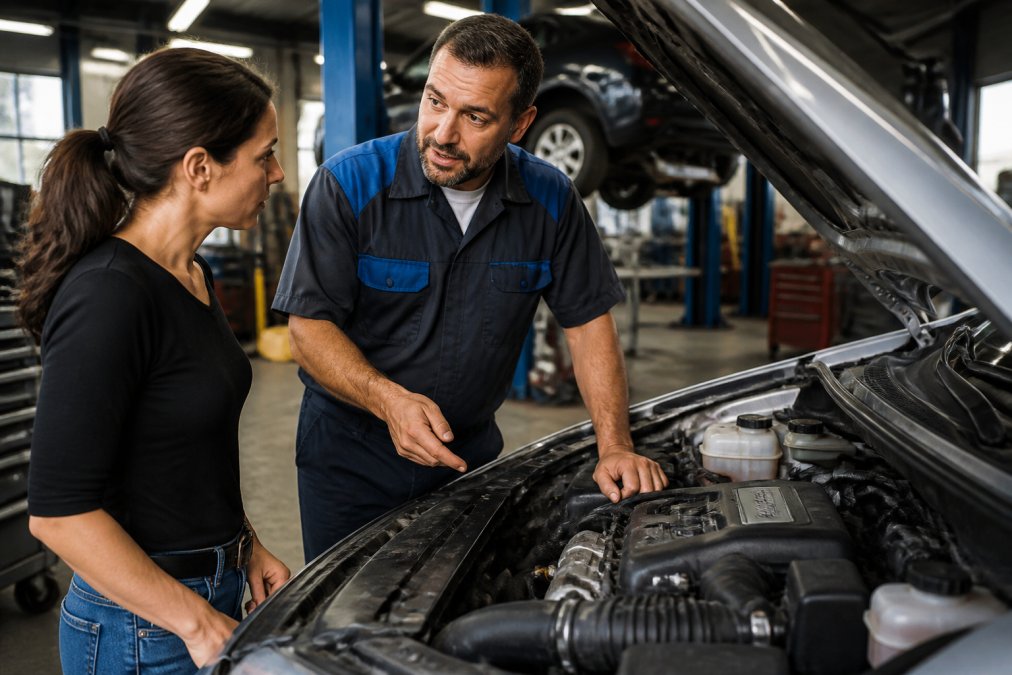
Look for mechanics who prioritize transparency in their communication. This means they provide written estimates before starting work, explain repair recommendations in plain language, and answer your questions without rushing you. At Q3 Car & Truck Repair, this commitment to honest communication is built into every customer interaction. A shop that takes time to explain the "why" behind a repair is far more likely to be trustworthy than one that pressures you into decisions.
Check credentials and training. Certified technicians have passed rigorous testing through organizations that verify their knowledge. Ask about your mechanic's certifications and how long they've been working on vehicles like yours. Older or specialty vehicles require specific expertise, a mechanic experienced with newer cars might not understand the quirks of a 20-year-old truck.
Read customer reviews, but read them carefully. Look for patterns rather than isolated complaints. One negative review might be a misunderstanding; multiple reviews mentioning unnecessary upsells or poor communication suggest a real problem. Pay special attention to reviews from people with vehicles similar to yours.
Build a relationship with one mechanic or shop. Repeat customers get better service because the mechanic knows your vehicle's history and habits. They're less likely to recommend unnecessary work to someone they've built trust with. When you find a shop you trust, stick with it.
Common Car Repair Upsells to Avoid
Certain repairs are recommended far more often than they're actually necessary. Learning to recognize these common upsells protects your wallet and keeps your vehicle running well.
Transmission flushes are among the most frequently oversold services. Your transmission fluid does degrade over time, but many vehicles can go 100,000 miles or more without needing a flush. Your owner's manual specifies when this service is due, follow that schedule, not the shop's recommendation. A flush can cost several hundred dollars, but it's often unnecessary if your transmission is shifting smoothly and your fluid is still in good condition.
Fuel injector cleaning is another common upsell. Modern fuel contains detergents that keep injectors clean. Unless you're experiencing rough idle, hesitation, or poor fuel economy, this service isn't needed. Many shops recommend it as routine maintenance, but it's not. If you do need it, the cost should be reasonable, avoid shops charging premium prices for this service.
Coolant exchanges get recommended frequently, but your cooling system doesn't need flushing unless there's a specific problem. Your owner's manual will specify if and when this is necessary. Some shops recommend it every 30,000 miles; others say 100,000 miles. Trust your manual, not the shop's marketing.
Air filter replacements are often recommended when they're not yet due. A mechanic will show you a dirty-looking filter and suggest replacement. Ask how many miles are on the current filter and check your manual for the recommended interval. A filter that looks dirty might still be functioning fine. Don't replace it just because it's not pristine.
Synthetic oil upgrades are pushed aggressively, even when your vehicle runs fine on conventional oil. Synthetic oil lasts longer and performs better in extreme temperatures, but it's not necessary for every vehicle. Check your owner's manual for the recommended oil type. If conventional is specified and your vehicle isn't subjected to extreme conditions, synthetic is an unnecessary expense.
The pattern with all these upsells is the same: they sound reasonable, they're presented as routine maintenance, and they're profitable for the shop. Your defense is your owner's manual and understanding which services your specific vehicle actually needs.
Use Digital Diagnostic Tools to Verify Repair Claims
Modern vehicles generate diagnostic trouble codes when something goes wrong. These codes are readable with an OBD-II scanner, a tool that connects to your vehicle's diagnostic port and retrieves information about what's actually happening under the hood.
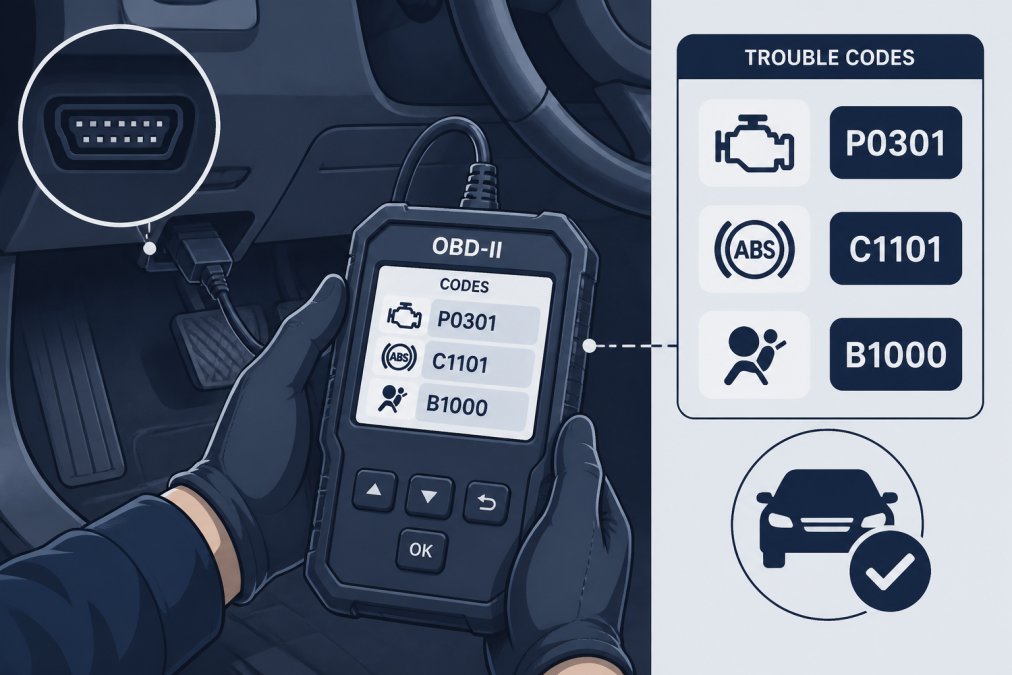
An OBD-II scanner costs between $25 and $100 for a basic model. If a mechanic tells you something is wrong with your vehicle, you can scan it yourself and see what codes are present. This doesn't make you a mechanic, but it gives you concrete information to discuss. A check engine light might indicate a serious problem or a loose gas cap. The code will tell you which.
When you bring a vehicle with a check engine light to a shop, ask the mechanic to show you the diagnostic trouble code. Write it down. Research what that specific code means. Some codes indicate serious issues; others indicate minor problems that might resolve themselves after a few drive cycles. A mechanic who's transparent about codes will show them to you without hesitation. One who avoids this conversation might be recommending unnecessary repairs.
Many automotive parts stores offer free code scanning. If your check engine light is on, visit a parts store and get the code read before paying for a diagnostic. This gives you information before you commit to repair costs. You'll know whether you're dealing with a major engine problem or something simpler.
Understanding what codes your vehicle is generating puts you in a stronger position during repair conversations. You're no longer relying entirely on the mechanic's interpretation, you have data to reference. This doesn't replace professional diagnosis, but it prevents you from being sold repairs for problems that don't actually exist.
How to Get a Second Opinion on Car Repairs
When a mechanic recommends a major repair, getting a second opinion is always justified. This is especially true for expensive work like engine repairs, transmission service, or suspension work. A second opinion costs money upfront but can save you thousands if the first recommendation was unnecessary.
Choose a different shop for your second opinion, ideally one with no connection to the first. Tell the second mechanic what the first one recommended, but ask them to diagnose the problem independently. If both mechanics identify the same issue and recommend similar solutions, you have confidence in the repair. If they disagree significantly, you need a third opinion or more research.
Be prepared for the second mechanic to charge a diagnostic fee. This is reasonable, they're spending time and expertise to evaluate your vehicle. A diagnostic fee typically ranges from $75 to $150, depending on the complexity. This is money well spent when you're facing a repair that costs thousands.
Document everything. Keep copies of the first estimate, the diagnostic report, and any photos the mechanic provided. When you visit the second shop, these documents help them understand what you've already been told. Clear communication between you and both mechanics prevents confusion and ensures you're getting genuine second opinions, not just different interpretations of the same problem.
Sometimes a second opinion reveals that the first recommendation was completely unnecessary. Sometimes it confirms the repair is needed. Either way, you've made an informed decision based on multiple professional perspectives. This is the best protection against unnecessary repairs.
Request a Detailed Repair Estimate and Review It
Before any work begins, you should have a written estimate that breaks down exactly what will be done, what parts will be used, and what the labor will cost. A vague estimate is a red flag. A detailed one gives you control over the repair process.
A good estimate includes the specific parts to be replaced, whether they're OEM parts or aftermarket parts, and the labor hours required. OEM parts are manufactured by your vehicle's original maker and typically cost more. Aftermarket parts are made by third-party manufacturers and usually cost less. Both can be quality parts, but they're different products with different price points. Your estimate should specify which you're getting.
Review the estimate carefully. Does it include only the repairs you authorized, or has the mechanic added recommendations you didn't discuss? Some shops use estimates as a way to introduce additional work. If the estimate includes services you didn't ask for, cross them out before approving it. Make it clear which repairs you're authorizing and which you're declining.
Ask about warranty coverage on the work performed. Many shops warranty their labor for 30 days or longer. This means if something goes wrong immediately after the repair, they'll fix it at no additional cost. Understanding warranty terms protects you if the repair doesn't solve the problem.
Before you leave the shop, confirm the total cost and the timeline. Will the repair take a day or a week? Will there be additional costs if the mechanic discovers problems during the repair? Getting answers to these questions prevents surprises when you pick up your vehicle. A shop that's transparent about estimates and timelines demonstrates the kind of communication that builds trust.
Distinguish Between Warranty Coverage and Maintenance
Understanding the difference between warranty coverage and maintenance is critical for avoiding unnecessary repairs. These are two separate concepts, and confusing them leads to wasted money.
Warranty coverage protects you against manufacturing defects. If your vehicle is still under the manufacturer's warranty, typically three years or 36,000 miles, certain repairs are covered at no cost to you. Warranty coverage is limited to defects in materials or workmanship, not normal wear and tear. A warranty doesn't cover routine maintenance like oil changes or tire rotations.
Maintenance is the regular service your vehicle needs to keep running well. Oil changes, filter replacements, brake inspections, and fluid top-ups are all maintenance. These are your responsibility, and they're not covered by warranty. Your owner's manual specifies the maintenance schedule your vehicle requires.
Some repairs blur this line. A transmission that fails at 50,000 miles might be covered under warranty if it's a manufacturing defect. A transmission that needs service at 100,000 miles because of normal wear is maintenance and is your responsibility. The distinction matters because warranty repairs cost you nothing, while maintenance costs come out of your pocket.
When a mechanic recommends a repair, ask whether it's warranty-covered or maintenance. If it's warranty work, the shop should handle the claim with your manufacturer. If it's maintenance, you're paying for it. Understanding this distinction prevents you from paying for repairs that should be covered under warranty.
Extended warranties and maintenance plans offered by dealers or third-party companies are different from manufacturer coverage. These are optional products that extend coverage beyond the standard warranty. Before buying an extended warranty, read the fine print carefully. Many of these plans exclude common repairs or have high deductibles. They're profitable for the seller, which means they're often not the best value for the buyer.
Protecting yourself from unnecessary car repairs comes down to three things: understanding what your vehicle actually needs, finding a mechanic you trust, and verifying recommendations before you authorize work. Your owner's manual is your baseline. A second opinion is your safety net. An honest mechanic is your partner.
At Q3 Car & Truck Repair, we believe vehicle owners deserve transparency and honest guidance. Our technicians explain what's needed, why it matters, and what happens if you wait. We provide detailed estimates, answer your questions, and respect your budget. When you need repairs you can trust, [Request Appointment] to experience the difference that genuine communication makes.
Frequently Asked Questions
How can I tell if a mechanic is being honest with me?
An honest mechanic will explain repairs in clear language, provide a written estimate before starting work, show you the damaged parts, and answer your questions without pressure. They'll also recommend only the repairs your vehicle actually needs based on diagnostic results, not upsell additional services. Ask for references, check online reviews, and compare estimates from multiple shops. A trustworthy mechanic welcomes second opinions and doesn't rush you into decisions.
What are the most common car repair scams to watch out for?
Common upsells include unnecessary transmission flushes, fuel injector cleaning on vehicles with no symptoms, coolant exchanges before the scheduled maintenance interval, and air filter replacements during routine service. Service advisors may also recommend expensive synthetic oil upgrades when standard oil is sufficient, or suggest repairs for parts showing no actual wear. Always verify recommended work against your owner's manual and ask for evidence of the problem before authorizing repairs.
How does following the owner's manual prevent unnecessary repairs?
Your owner's manual specifies the exact service intervals for all scheduled maintenance, including oil changes, filter replacements, and fluid exchanges. Following these intervals prevents premature wear and catastrophic engine damage, while skipping them may void warranty coverage. The manual also identifies which repairs are truly necessary versus optional. By adhering to the manufacturer's maintenance schedule, you avoid both unnecessary work and costly damage from deferred maintenance.
What should I do if I think a repair is unnecessary?
Request a detailed repair estimate in writing that explains why each service is needed. Ask the service advisor to show you the problem or provide diagnostic trouble codes from an OBD-II scanner. If you're uncertain, get a second opinion from another shop before authorizing work. Compare labor rates and parts pricing across shops. Never feel pressured to decide immediately, reputable mechanics understand that customers want time to consider major repairs and will hold your estimate for several days.
This article was written using GrandRanker