 ultimate-guide
Certified Truck Technicians Near Me: Find Expert Service
Table of Contents
- What Makes a Certified Truck Technician Different
- ASE Certified Heavy-Duty Truck Repair: Why Certification Matters
- Commercial Truck Preventative Maintenance Checklist
- Mobile Semi-Truck Repair Services: Convenience Without Compromise
- How to Verify Technician Credentials and Expertise
- Common Truck Problems That Require Certified Expertise
- Building a Relationship With Your Certified Truck Technician
- Conclusion
Last Updated: August 7, 2026
What Makes a Certified Truck Technician Different
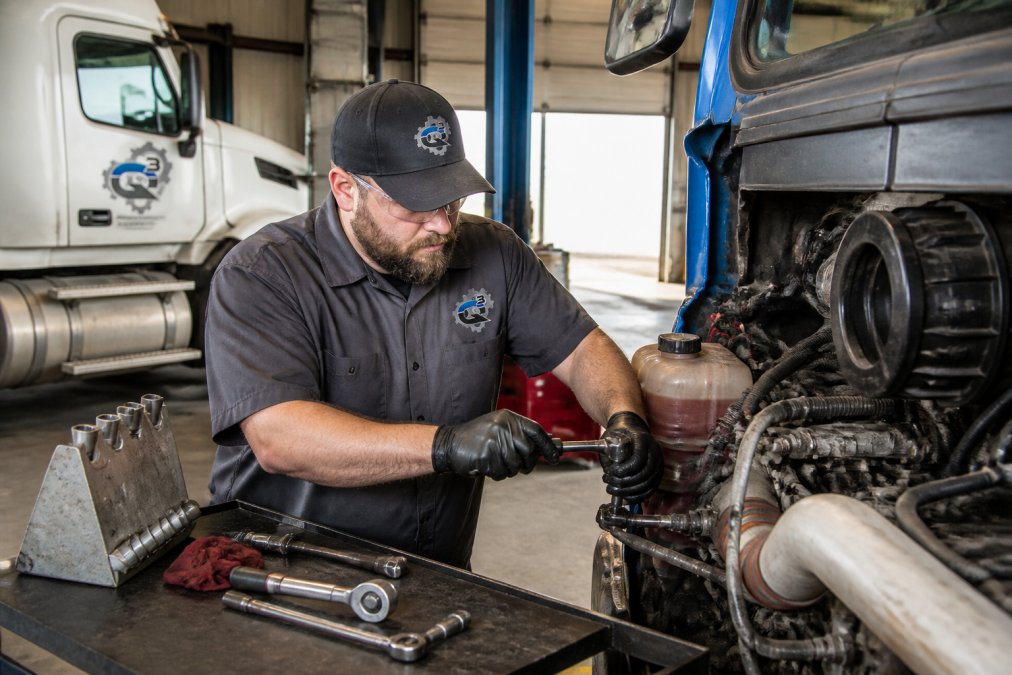
A certified truck technician has completed formal training and passed industry-standard examinations to demonstrate expertise in commercial vehicle repair and maintenance. The difference between a certified technician and a general mechanic comes down to specialized knowledge, verified credentials, and the ability to diagnose and repair complex heavy-duty systems that standard automotive training doesn't cover.
Heavy-duty diesel engines, air brake circuits, transmission systems, and emissions compliance require a different skill set than passenger vehicle repair. Certified technicians understand these systems at a deeper level. They know how turbocharger failures differ from standard engine problems, understand DOT inspection requirements, and can spot compliance issues before they become violations.
A certified technician can run proper diagnostics using commercial vehicle diagnostic equipment and knows which components interact in ways that aren't obvious to someone without specialized training. Most importantly, they understand the stakes: downtime costs money, and safety issues create legal liability.
At Q3 Car & Truck Repair, our technicians bring this level of expertise to every job. Whether your truck needs routine maintenance or emergency breakdown support, you're working with professionals who have invested in proper credentials and ongoing training.
ASE Certified Heavy-Duty Truck Repair: Why Certification Matters
Understanding ASE Certification Levels
ASE (Automotive Service Excellence) certification is the gold standard in the industry. An ASE-certified technician has passed rigorous examinations covering specific vehicle systems and repair procedures. For heavy-duty trucks, relevant certifications include T7 (Medium/Heavy Truck Diesel Engines), T8 (Drive Train), and T9 (Brakes). Some technicians also pursue EVT (Electric Vehicle Technology) certification as the industry shifts toward electrification.
Technicians must have documented work experience, typically two years of hands-on repair work, before sitting for the exam. The test covers theoretical knowledge and practical problem-solving scenarios. A technician who holds current ASE certification has proven they can diagnose problems accurately and execute repairs to industry standards.
Factory-trained technician expertise goes beyond ASE certification. Many manufacturers require authorized repair centers to send technicians through specialized training programs covering proprietary diagnostic procedures and software interfaces. A factory-trained technician working on Cummins engines, for example, understands the nuances of that engine family in ways general training doesn't address.
Certification matters because it protects you. When a certified technician signs off on a repair, they're putting their credentials on the line. There's accountability built in, creating a powerful incentive to get it right.
Factory-Trained Technician Expertise
Factory-trained technicians represent the highest level of specialization. These professionals have completed manufacturer-specific training programs and have direct access to the latest service bulletins, technical updates, and diagnostic software. When a new engine design rolls out or a manufacturer issues a recall, factory-trained technicians get the training first.
The difference becomes obvious with complex repairs. Suppose your transmission is slipping. A general technician might replace the fluid and filter. A factory-trained transmission specialist will run diagnostic tests using manufacturer-specific equipment, identify whether the problem is internal wear, a solenoid failure, or a control module issue, and address the actual cause.
When you work with someone trained by the manufacturer, you're tapping into institutional knowledge. The manufacturer knows their equipment better than anyone and has documented every failure mode.
Commercial Truck Preventative Maintenance Checklist
Essential Fluid and Filter Checks
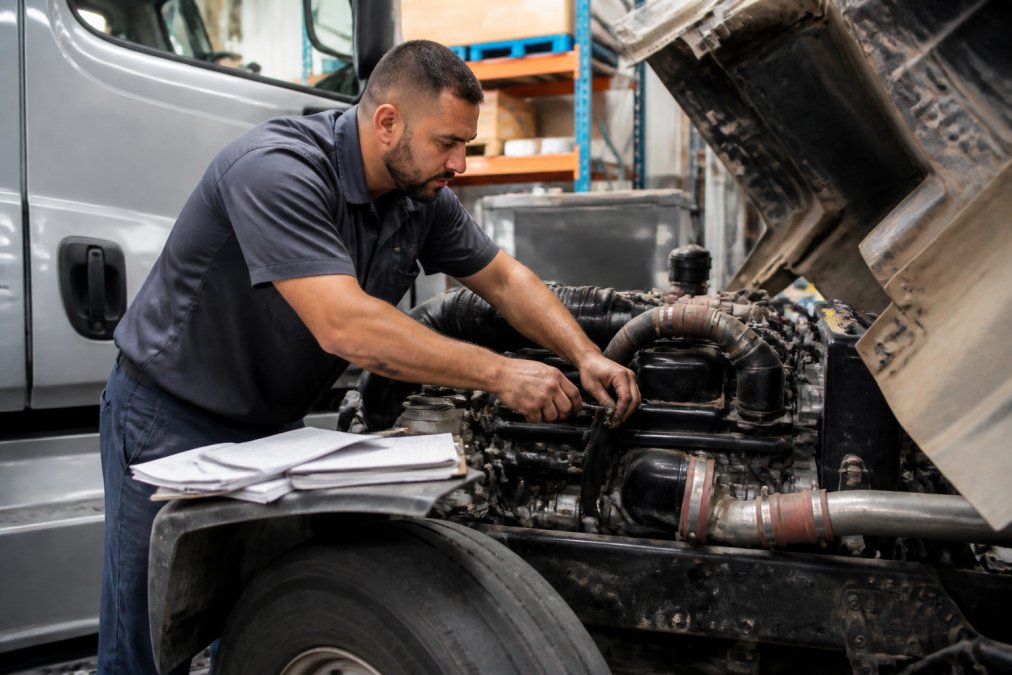
Preventative maintenance catches problems before they become breakdowns. Regular fluid and filter management is the core of any preventative maintenance program.
Heavy-duty diesel engines run harder and hotter than passenger vehicle engines. Oil degradation happens faster, with most manufacturers recommending oil changes every 15,000 to 25,000 miles depending on driving conditions. A certified technician checks oil condition and recommends changes based on actual engine stress.
Coolant system maintenance prevents overheating and corrosion. A certified technician tests coolant condition periodically and flushes the system according to manufacturer specifications. Transmission fluid requires similar attention, degraded fluid leads to sluggish shifting and eventual transmission failure. Regular fluid checks and changes, typically every 50,000 to 100,000 miles, keep the transmission healthy.
Fuel filters protect the engine from water and sediment. A clogged fuel filter restricts flow and forces the fuel pump to work harder, accelerating pump wear. Air filters protect the engine from dust and contaminants. In dusty environments, air filters may need changing every 10,000 miles instead of the standard 20,000-mile interval. A certified technician assesses your operating environment and adjusts the maintenance schedule accordingly.
Brake System and Drivetrain Inspections
The brake system is safety-critical. DOT regulations require specific brake maintenance standards for commercial vehicles. Air brake circuits, common in heavy-duty trucks, are complex systems that demand expertise. A certified technician knows how to test brake pressure, inspect brake pads and rotors, and diagnose air brake component failures.
Air brake circuits include the compressor, air dryer, brake chamber, and brake valve. A leak in an air line reduces braking pressure and can lead to brake failure. A certified technician can locate and repair these issues before they become dangerous.
Drivetrain components, transmission, driveshaft, differential, and axles, work together to transfer engine power to the wheels. Inspections should include checking for leaks, listening for unusual noises, and testing for vibration. A leak in the differential or transmission indicates internal seals are failing. Suspension and steering components also need regular inspection, as worn bushings, tie rods, and steering components affect handling and safety.
Mobile Semi-Truck Repair Services: Convenience Without Compromise
When Mobile Service Makes Sense
Mobile roadside assistance has become increasingly valuable for fleet operators and owner-operators. When your truck breaks down on the road, a mobile service technician can often diagnose and repair the problem on-site, getting you back on the road quickly.
Mobile service works well for electrical troubleshooting, fuel system diagnostics, air brake adjustments, and minor mechanical repairs. A technician with the right diagnostic equipment can identify the problem and determine whether it's something that can be fixed on-site or requires a shop visit.
The limitation is scope. You can't perform a transmission rebuild or engine overhaul at the roadside. A certified mobile technician knows these boundaries and will recommend a shop visit when necessary rather than attempting an incomplete repair. The key advantage is speed, if your truck is immobilized, every hour costs money.
Diagnostic Equipment and On-Site Capabilities
Modern heavy-duty trucks rely on complex onboard computer systems. A certified mobile technician carries diagnostic equipment capable of connecting to your truck's systems and performing preliminary diagnostics. This equipment can read fault codes, monitor sensor data, and identify problems that would be invisible without the right tools.
A technician with commercial vehicle diagnostic equipment can determine whether a check engine light indicates a simple sensor issue or a serious engine problem. On-site capabilities depend on the technician's equipment and experience. Basic repairs like replacing batteries, fixing air leaks, or adjusting brakes can often be done roadside. More complex issues require shop facilities.
How to Verify Technician Credentials and Expertise
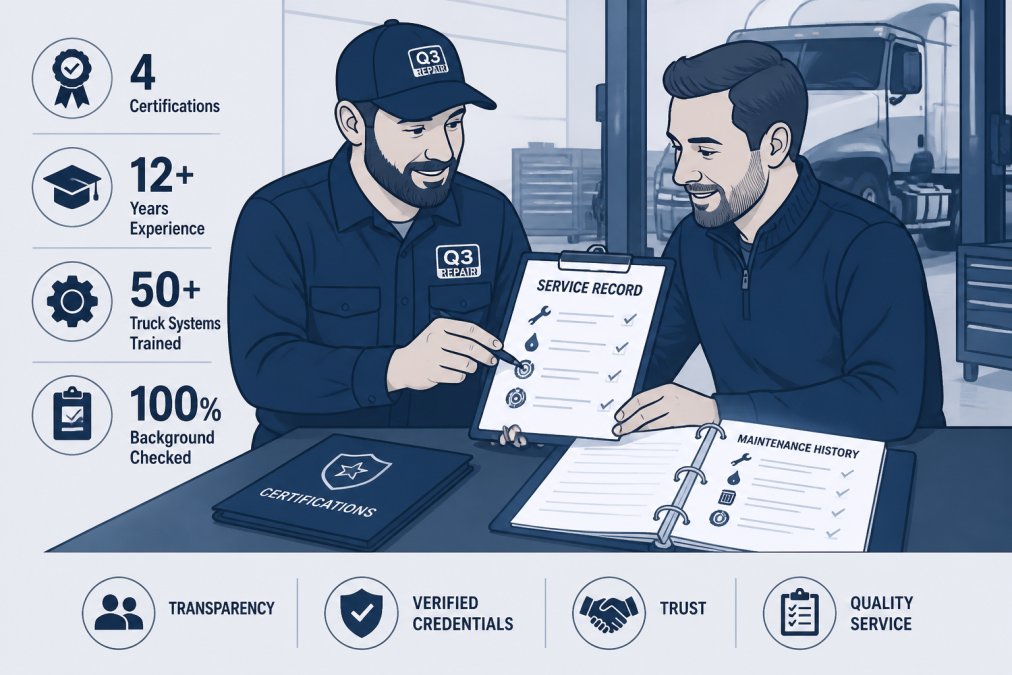
Before committing to a technician or shop, verify their credentials. Ask for ASE certification documentation and check the expiration date, certifications expire after five years. A technician who maintains current certification is staying current with industry standards.
Ask about factory training. If your truck is a specific make, Cummins, Duramax, Powerstroke, ask whether the shop has technicians trained by that manufacturer. You can often verify factory training by contacting the manufacturer's dealer network.
Request references from other commercial truck owners, specifically about their experience with heavy-duty diesel repairs or transmission work. A shop that regularly handles the type of work you need has developed expertise in that area.
Check whether the shop maintains proper licensing and insurance. A legitimate shop carries liability insurance and maintains proper business licensing. A shop reluctant to discuss insurance or licensing is a red flag.
Ask about their diagnostic process. A shop that starts with thorough diagnosis before recommending repairs is more trustworthy than one that immediately suggests expensive fixes. At Q3 Car & Truck Repair, we start every job with proper diagnostics and provide a detailed estimate before proceeding with work. That transparency is how you know you're working with professionals who respect your investment.
Common Truck Problems That Require Certified Expertise
Heavy-Duty Diesel Engine and Turbocharger Issues
Diesel engines are reliable but complex. Fuel injection issues can cause hard starting, rough idle, or loss of power. A certified technician has the equipment to test injector pressure and flow, identify faulty injectors, and replace them properly.
Turbocharger failures result from bearing wear, seal failure, or debris damage. A certified technician can diagnose turbocharger problems and determine whether repair or replacement is necessary. Engine overheating often indicates a deeper problem than just a failed thermostat, it could be a failing water pump, coolant leak, or failing fan clutch. A certified technician systematically tests cooling system components to find the actual cause.
Emissions compliance issues affect both vehicle operation and legal status. Modern diesel engines have complex emissions control systems. A certified technician understands emissions compliance and can perform the necessary maintenance and repairs.
Transmission and Air Brake Circuit Repairs
Transmission problems range from minor adjustments to complete rebuilds. Early signs include delayed shifting, slipping, or harsh shifts. A certified technician can test transmission pressure, check fluid condition, and run diagnostic tests to determine whether the problem is a simple fix or a more serious internal issue.
Air brake circuit repairs require specific expertise. A leak anywhere in the system reduces braking pressure. A certified technician can pressure-test the system, locate leaks, and repair or replace components. Brake chamber failures are common in older trucks and create a safety hazard. A certified technician can diagnose chamber failures and replace them before they compromise safety.
Drivetrain component failures often announce themselves through vibration, noise, or loss of power. A certified technician can identify which component is failing and determine whether repair or replacement is necessary.
Building a Relationship With Your Certified Truck Technician
The best truck owners develop ongoing relationships with certified technicians and shops. Your technician becomes familiar with your truck's history, maintenance patterns, and any quirks specific to your vehicle. They understand your operational needs and can recommend preventative maintenance tailored to your driving conditions.
A long-term relationship builds trust. You know how the technician operates and have seen their work quality over time. Regular communication matters, share information about how your truck is performing. If you notice unusual noises, performance changes, or warning lights, mention them at your next service.
Ask questions about maintenance and understand why specific services are recommended. A good technician explains the reasoning behind recommendations and helps you prioritize work based on safety and operational impact. Document your maintenance history to help your technician track patterns and predict future maintenance needs.
Finding a certified truck technician near you means looking for someone with proper credentials, factory training where relevant, and a track record of quality work. The investment in working with certified professionals pays dividends through better diagnostics, quality repairs, and reduced downtime. At Q3 Car & Truck Repair, we understand that your truck is essential to your livelihood or business operations. Our certified technicians deliver expert care, transparent communication, and straightforward estimates so you can make informed decisions about your vehicle. Request an appointment today and experience the difference that certified expertise makes.
Frequently Asked Questions
What does ASE certification mean for heavy-duty truck repair?
ASE (Automotive Service Excellence) certification means a technician has passed rigorous exams and meets industry standards for knowledge and competency. For heavy-duty trucks, ASE-certified technicians demonstrate expertise in diesel engines, transmission systems, air brake circuits, and commercial vehicle diagnostics. This certification requires hands-on experience and ongoing education, ensuring your truck receives work from someone who understands the specific demands of heavy-duty equipment.
How often should I schedule preventative maintenance for my commercial truck?
Most commercial trucks benefit from preventative maintenance every 15,000 to 25,000 miles or every 3-6 months, depending on usage and operating conditions. A commercial truck preventative maintenance checklist should include fluid checks, filter replacements, brake inspections, and drivetrain evaluations. Your certified technician can recommend a schedule based on your vehicle's age, mileage, and work demands. Regular maintenance prevents costly breakdowns and keeps your fleet reliable.
Are mobile semi-truck repair services as reliable as shop-based technicians?
Mobile semi-truck repair services can be equally reliable when performed by certified technicians with proper diagnostic equipment. Mobile services work best for routine maintenance, inspections, and emergency breakdowns. However, complex transmission work, major engine diagnostics, or heavy-duty repairs may require a full shop environment with specialized equipment. The key is choosing a mobile service provider with factory-trained expertise and the right tools for your specific repair needs.
How can I verify that a truck technician actually has the certifications they claim?
Ask to see their ASE certification card or look up their credentials through the ASE website directly. Request information about their training history and any manufacturer-specific certifications they hold. Reputable shops display technician certifications prominently and welcome questions about qualifications. Check for customer reviews mentioning their expertise, and ask about their experience with your specific truck model and repair type. Honest technicians are transparent about their training and happy to discuss their background.
This article was written using GrandRanker