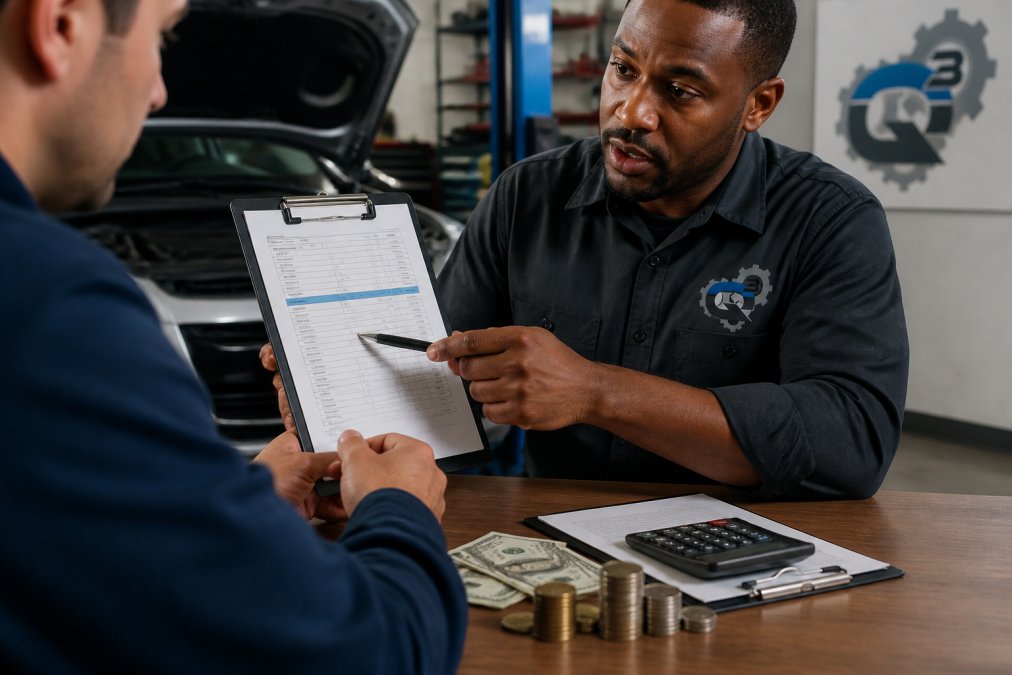
 ultimate-guide
How Inflation Impacts Auto Maintenance Costs
Table of Contents
- How Inflation Impacts Auto Maintenance Costs
- Rising Parts Prices and Supply Chain Disruptions
- Labor Rates and Technician Shortage Effects
- Advanced Vehicle Technology and Repair Complexity
- Building a Preventative Maintenance Schedule to Control Costs
- How to Save Money on Car Repairs During Inflationary Times
- What Vehicle Owners Should Know Now
- Frequently Asked Questions
Last Updated: September 26, 2026
How Inflation Impacts Auto Maintenance Costs
Rising prices at the pump aren't the only place vehicle owners feel inflation's bite. The cost to keep your car running has climbed steadily across parts, labor, and supply chains.
How inflation impacts auto maintenance costs across parts, labor, supply chains, and advanced technology. Understanding these pressures helps you prioritize spending and prevent costly breakdowns.
Rising Parts Prices and Supply Chain Disruptions
Automotive parts have become noticeably more expensive due to rising global commodity prices, manufacturing costs, and elevated shipping expenses. Supply chain delays force shops to source parts from alternative suppliers at premium prices or pay expedited shipping, halting repairs mid-process and extending labor time. Both OEM and aftermarket parts have increased in price, though OEM parts command higher premiums due to reliability.
Labor Rates and Technician Shortage Effects
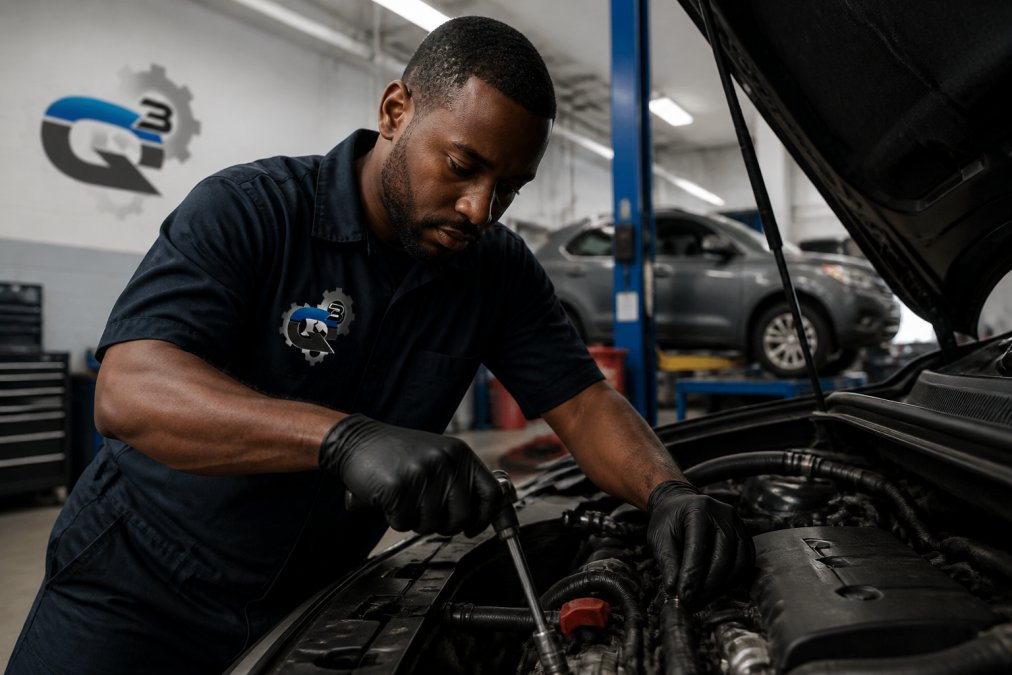
The technician shortage has driven higher wages for qualified mechanics, as demand far exceeds supply. A generational gap exists as experienced mechanics retire faster than new ones enter the field, creating scarcity that drives wage increases. Labor rates have risen faster than general inflation because technicians performing advanced diagnostics require specialized training and expensive equipment. The shortage extends repair timelines as vehicles wait in queue longer.
Advanced Vehicle Technology and Repair Complexity
Modern vehicles with advanced electronics, driver assistance systems, and hybrid powertrains require specialized diagnostic equipment and training, extending repair time significantly. A brake repair on a 2010 vehicle differs dramatically from a 2026 model with integrated ABS and brake-by-wire systems. Diagnostic fees have become standard practice because determining what's actually wrong requires expensive equipment and skilled interpretation, protecting both shop and owner from unnecessary parts replacement.
Building a Preventative Maintenance Schedule to Control Costs
Preventative maintenance schedule represents your best defense against unexpected, expensive repairs. Preventative maintenance costs significantly less than emergency repairs, and the gap widens in inflationary times.
The ROI of Preventative Maintenance
An oil change costs $40-$75; skipping changes risks $4,000-$8,000 in engine repairs. Brake pad replacement costs $150-$300 preventatively versus $800-$1,500 when rotors are damaged. Transmission fluid service costs $100-$200 versus $1,500-$4,000 for failure. Preventative maintenance delivers 10-20x ROI.
Vehicle-Age Considerations
Preventative maintenance ROI varies by vehicle age. Newer vehicles (under 5 years) benefit from manufacturer-recommended intervals that maintain warranty coverage. Mid-life vehicles (5-10 years) see the highest ROI because they're past warranty but before major failure. Older vehicles (10+ years) require more frequent work but prevention remains far cheaper than catastrophic failure. A 2015 sedan with 100,000 miles benefits from transmission fluid service, coolant inspection, and suspension evaluation, $300-$500 preventatively versus $2,000-$5,000 in emergency repairs.
Maintenance Schedule Framework
Most vehicle manufacturers provide specific maintenance intervals in the owner's manual. Following these intervals protects your vehicle and maintains warranty coverage, though inflation tempts owners to skip routine maintenance, a decision that typically costs far more later.
Preventative maintenance includes: oil and filter changes (5,000-10,000 miles), tire rotation (5,000-7,000 miles), brake inspection (25,000-70,000 miles), fluid level checks, battery testing (3-5 years), air filter replacement (15,000-30,000 miles), transmission fluid service (60,000-100,000 miles), and coolant system inspection (30,000-50,000 miles).
Budgeting for Predictability
A maintenance schedule helps you budget predictably. A vehicle owner spending $1,200-$1,500 annually on preventative maintenance avoids the $3,000-$6,000 emergency repair that derails household finances. Preventative maintenance converts unpredictable, large expenses into predictable, small ones.
takeaway The single biggest mistake vehicle owners make during inflationary times is deferring routine maintenance to save money immediately. This almost always backfires, creating expensive emergency repairs that cost multiples of the preventative maintenance they skipped. The math is clear: $100 in preventative maintenance prevents $1,000-$5,000 in reactive repair.
How to Save Money on Car Repairs During Inflationary Times
Controlling repair costs requires strategy beyond finding the cheapest shop. Understanding where you can safely intervene versus where professional expertise is essential protects both your wallet and your vehicle.
DIY vs. Professional Service: Where You Can Save
Understanding which tasks are safe for DIY and which demand professional expertise can reduce your annual maintenance costs by 20-40%.
Safe DIY maintenance tasks (assuming basic mechanical aptitude): air filter replacement ($35-$70 savings), cabin air filter replacement ($30-$55 savings), windshield wiper blades ($18-$25 savings), battery replacement ($70-$100 savings), tire rotation ($40-$80 savings), and fluid top-offs ($15-$35 savings).
Tasks requiring professional expertise: brake work (safety risk), transmission service (requires specific fluid type), electrical diagnostics (requires $3,000-$10,000 equipment), suspension and steering (affects safety), air conditioning (EPA certification required), and engine diagnostics (requires computer diagnostics). Basic DIY maintenance saves $150-$300 annually.
Vehicle-Age Specific Cost Management
Repair costs and maintenance strategies differ dramatically by vehicle age. Newer vehicles (0-5 years): warranty covers major repairs; follow manufacturer intervals; use dealer service ($500-$1,000 annually). Mid-life vehicles (5-10 years): warranty expired; independent shops cost-effective; preventative maintenance ROI peaks ($1,000-$2,000 annually). Older vehicles (10+ years): all components aging; preventative maintenance critical; frequent fluid changes and inspections needed ($1,500-$3,000+ annually).
Strategic Repair Prioritization
Some repairs can wait; others cannot. Understanding this distinction prevents both unnecessary spending and dangerous deferral.
Immediate priority (safety-critical):
- Brake system issues (soft pedal, grinding, pulsation)
- Steering problems (excessive play, difficulty turning)
- Suspension damage (clunking, uneven tire wear, vehicle leaning)
- Electrical issues affecting lights or wipers
- Fluid leaks indicating system failure
High priority (prevent secondary damage):
- Engine overheating or coolant leaks
- Transmission slipping or delayed engagement
- Suspension component wear (struts, shocks, bushings)
- Rust affecting structural integrity
Deferrable (comfort or cosmetic):
- Air conditioning repair (if not in extreme climate)
- Power window or seat failure
- Interior trim damage
- Paint chips or minor body damage
- Non-essential electrical features
Getting Multiple Estimates and Comparing Value
When facing a significant repair, obtain written estimates from at least two shops. Compare not just the total price but the parts being used, labor hours allocated, and warranty coverage offered.
Estimate comparison framework:
| Item | Shop A | Shop B | Notes |
|---|---|---|---|
| Parts (OEM vs. aftermarket) | Specify which parts are OEM; note warranty | ||
| Labor hours | Verify against industry standards (ALLDATA, Mitchell) | ||
| Labor rate | Typical range $85-$150/hour depending on region and shop | ||
| Diagnostic fee | Should be credited toward repair if you proceed | ||
| Warranty on parts | OEM typically 12 months; aftermarket varies | ||
| Warranty on labor | Reputable shops offer 12-36 months | ||
| Total cost | Calculate cost per labor hour to identify outliers |
If one estimate is significantly lower, ask why. Possible reasons: different parts quality, different labor hours (potentially indicating incomplete diagnosis), or shop markup differences.
Building Relationships with Trusted Shops
A shop that knows your vehicle history can often identify issues early and recommend cost-effective solutions. Q3 Car & Truck Repair builds these relationships through transparent communication and honest assessment of what truly needs repair versus what can wait.
Benefits of an ongoing relationship:
- Shop knows your vehicle's history and can identify patterns (recurring issues suggesting root cause)
- Technicians understand your vehicle's quirks and maintenance history
- Shop may offer loyalty discounts or prioritize scheduling
- Honest shops will tell you when a repair can be deferred
- You build trust, reducing anxiety about overcharging
Maintenance Records and Resale Value
Keep records of all service performed. This documentation helps identify patterns, shows what maintenance has been completed, and proves to future buyers that your vehicle was properly maintained, an advantage worth $500-$1,500 when resale time arrives.
What Vehicle Owners Should Know Now
The current inflationary environment affecting repair costs will likely persist in some form. Understanding these pressures helps you make informed decisions rather than simply reacting to higher bills.
Frequently Asked Questions
Why have auto repair and maintenance costs increased recently?
Inflation drives up repair costs across multiple areas. Parts manufacturers face higher raw material and transportation expenses, which get passed to repair shops and customers. Labor rates rise as technicians demand higher wages to match inflation. Supply chain disruptions delay parts availability, sometimes forcing shops to source from more expensive suppliers. Advanced vehicle technology also increases diagnostic and repair complexity, requiring more specialized training and equipment. Together, these factors create significant upward pressure on what you pay for maintenance.
How does a preventative maintenance schedule help during inflation?
Following a preventative maintenance schedule catches small problems before they become expensive repairs. Regular oil changes, filter replacements, and fluid checks cost far less than engine damage or transmission failure. By staying on schedule, you avoid emergency repairs that often cost 2-3 times more than planned maintenance. You also extend your vehicle's lifespan, delaying the need for costly replacement. In an inflationary environment, preventing major repairs is one of the most effective ways to control your total cost of ownership.
Is it better to repair an older vehicle or buy a new one in the current economy?
That depends on your vehicle's condition and age. Newer vehicles cost significantly more upfront due to inflation and supply constraints, and financing costs rise with interest rates. Older vehicles have lower purchase prices but may require more frequent repairs as parts wear. If your current vehicle is mechanically sound and you've maintained it well, repairs are usually cheaper than replacing it. However, if major systems are failing (transmission, engine, suspension), replacement may become more economical. Request a detailed estimate from your repair shop to compare the cost of fixes against the cost of a replacement vehicle.
What are the most effective ways to save on car maintenance during inflationary periods?
Stick to your preventative maintenance schedule to avoid costly emergency repairs. Shop around for fair pricing, but prioritize honest shops that explain what's needed rather than overselling. Consider using quality aftermarket parts instead of OEM parts where appropriate, they cost less without sacrificing reliability. Build a relationship with a trusted repair shop that values transparency. Finally, learn basic vehicle care like checking tire pressure and topping off fluids yourself to reduce service visits.